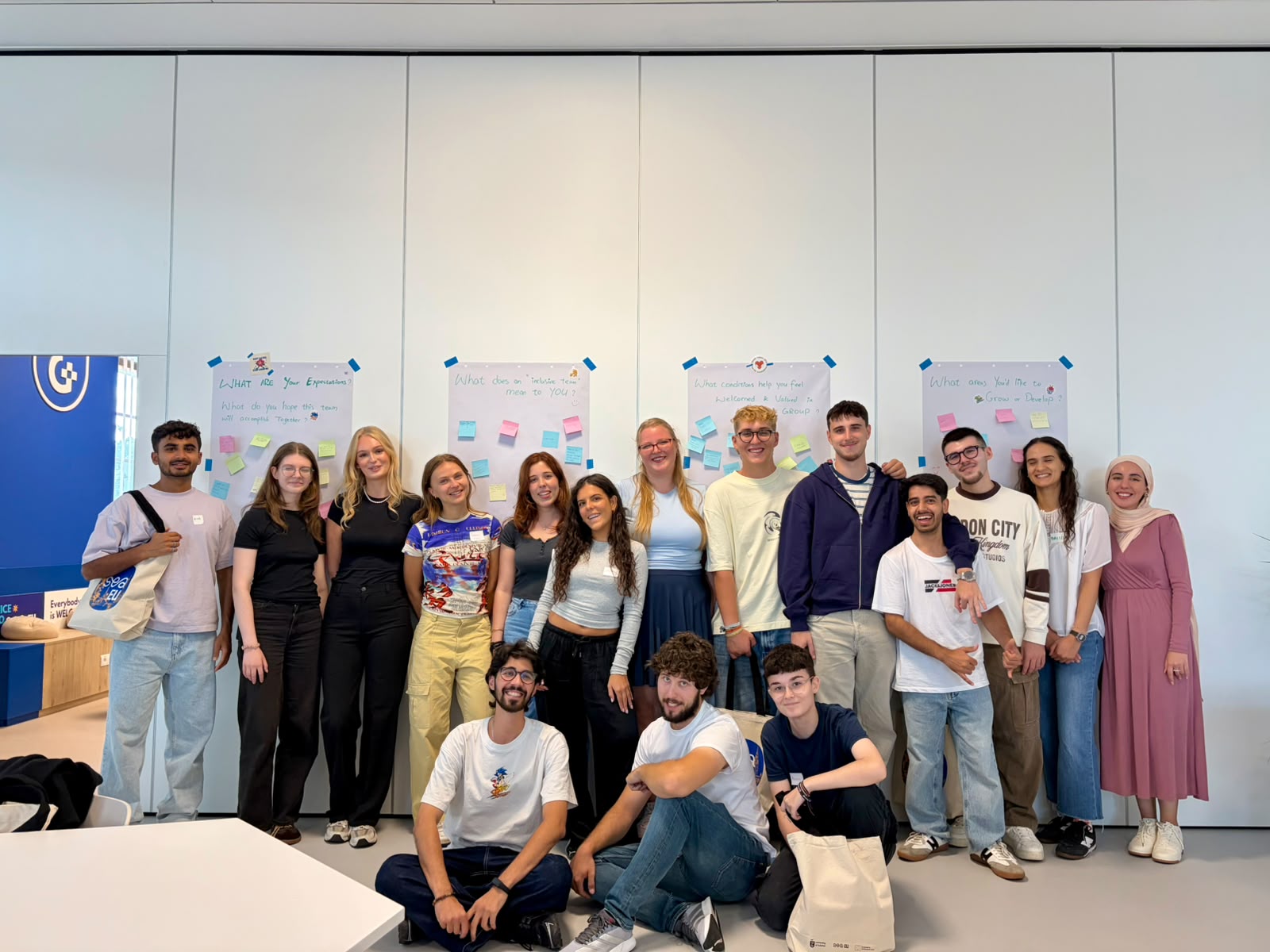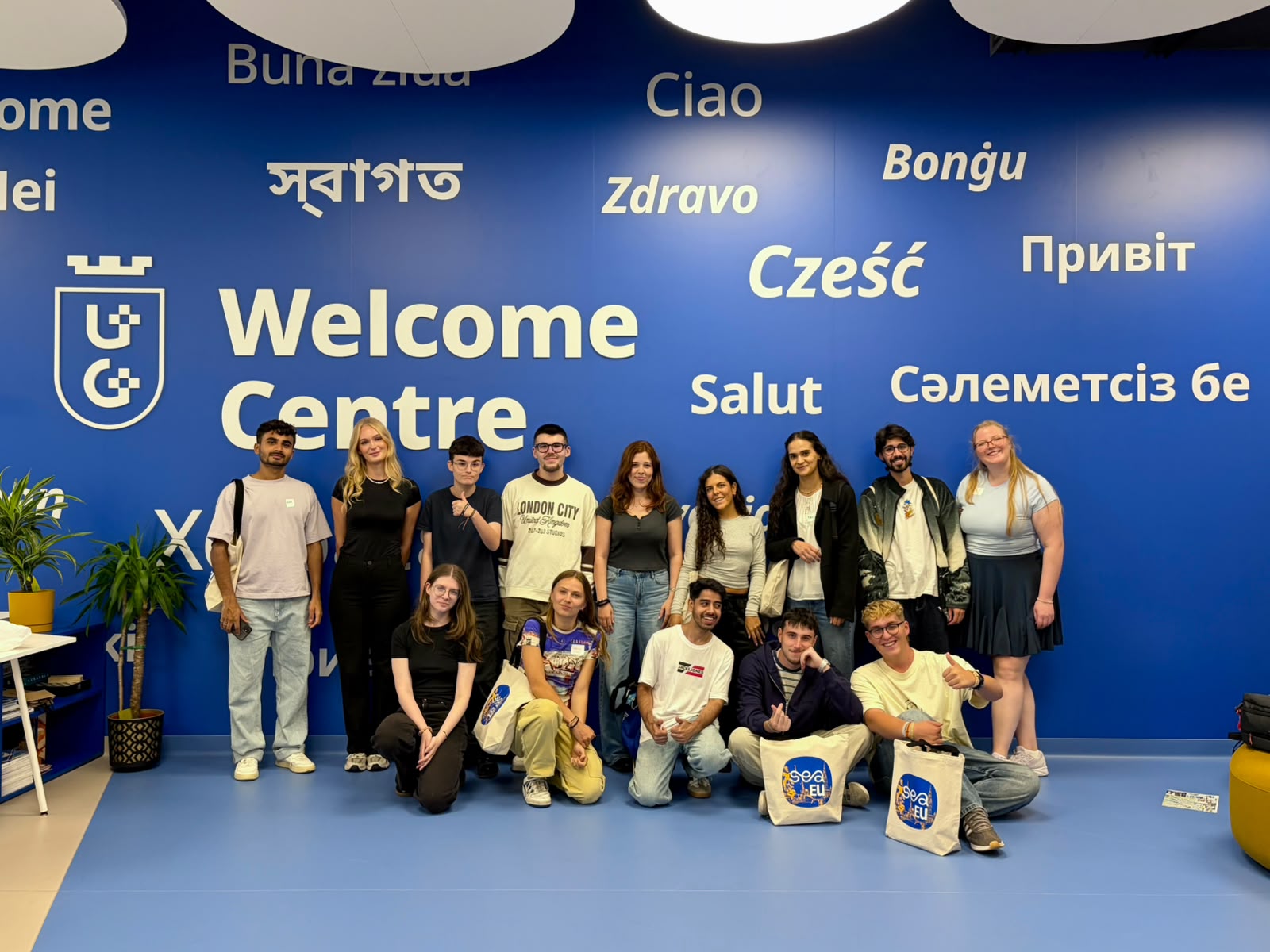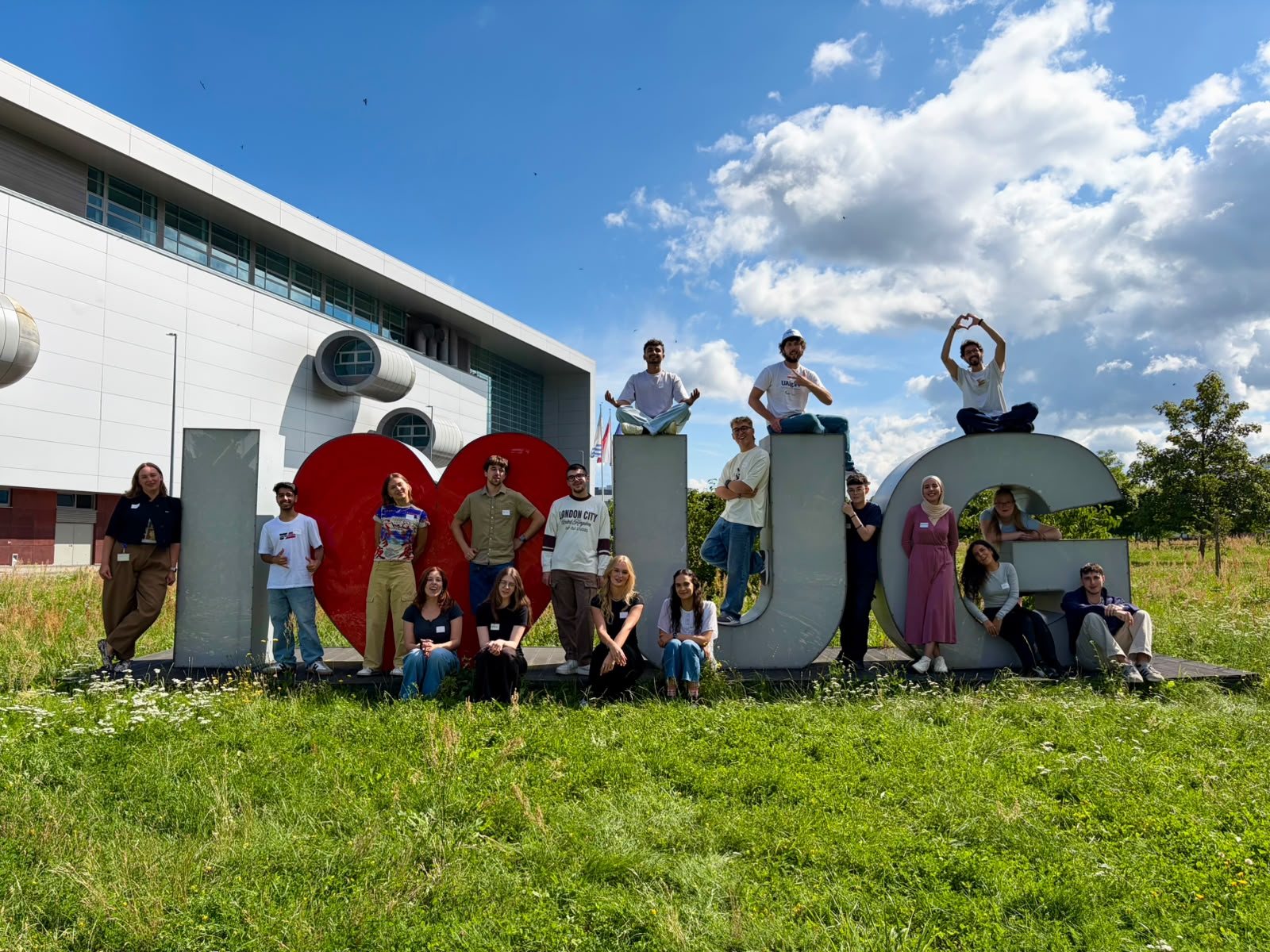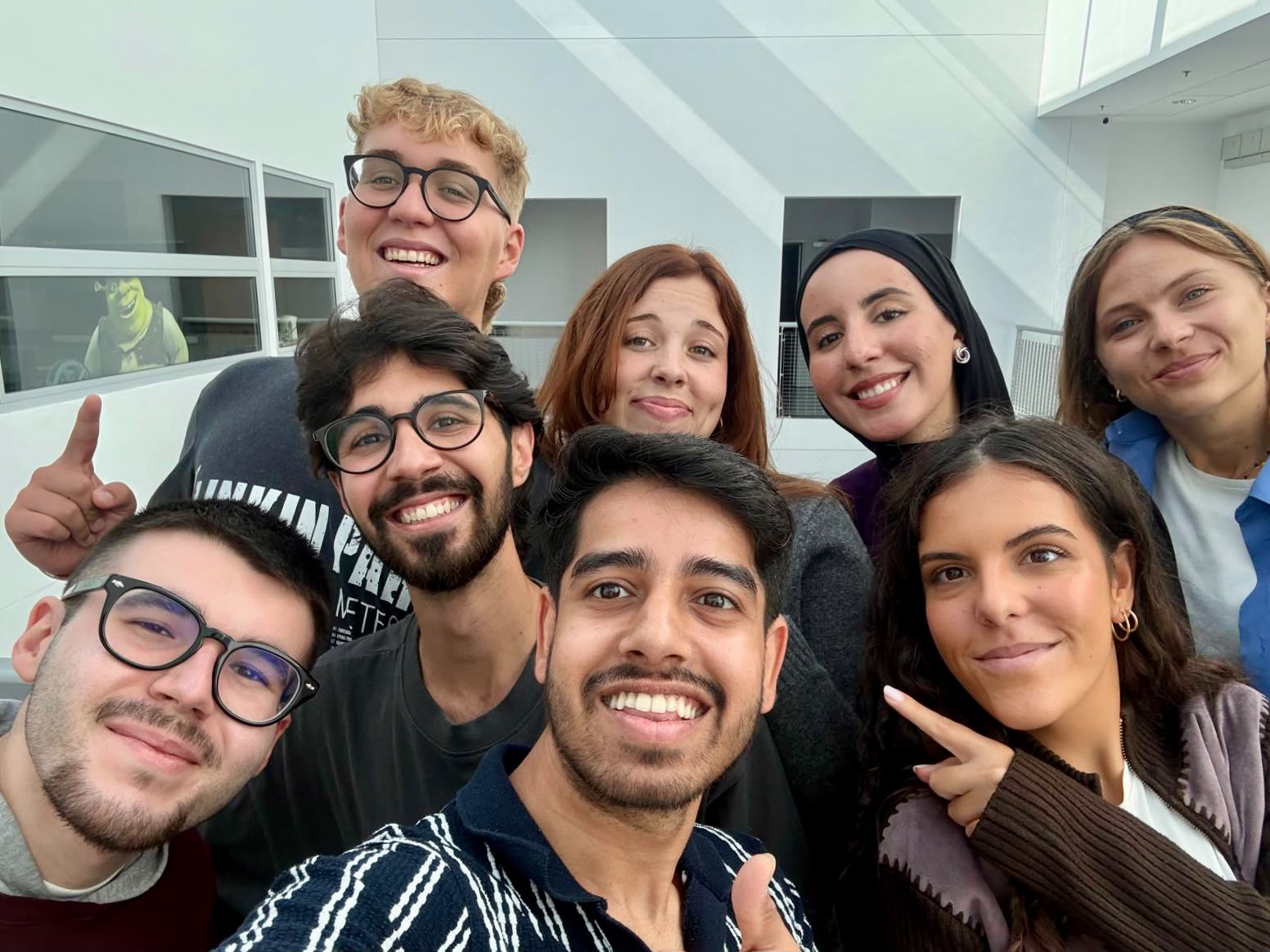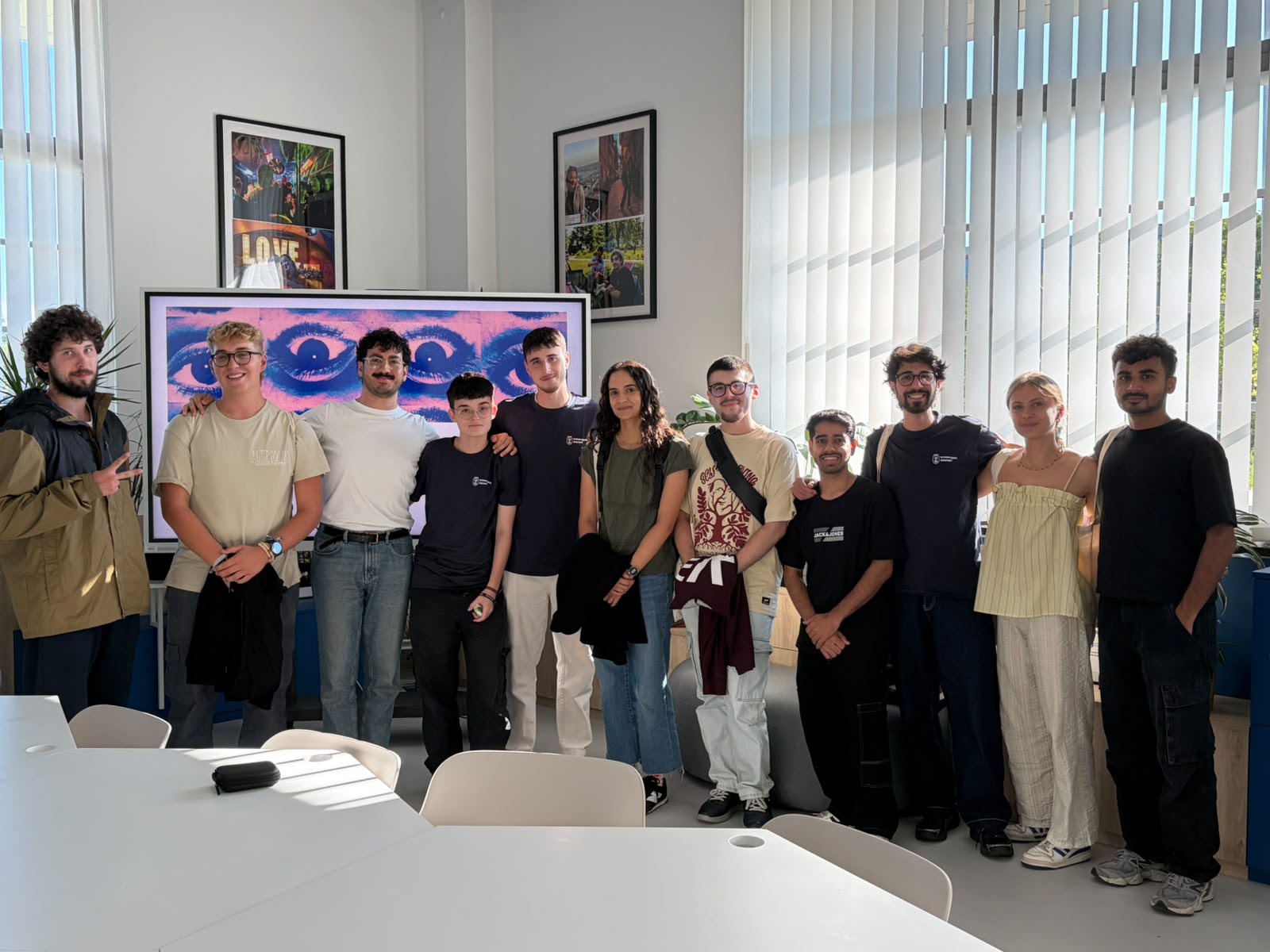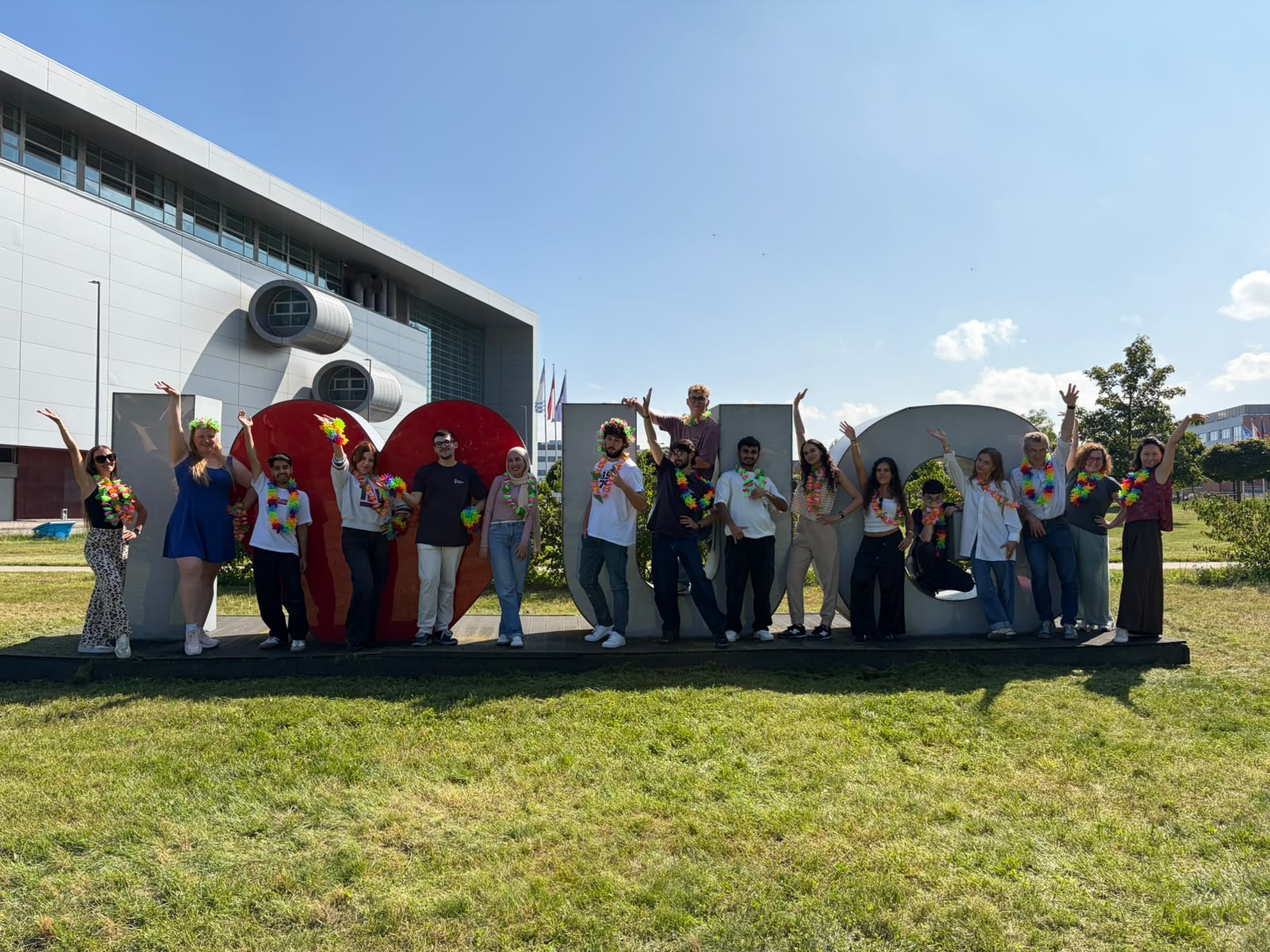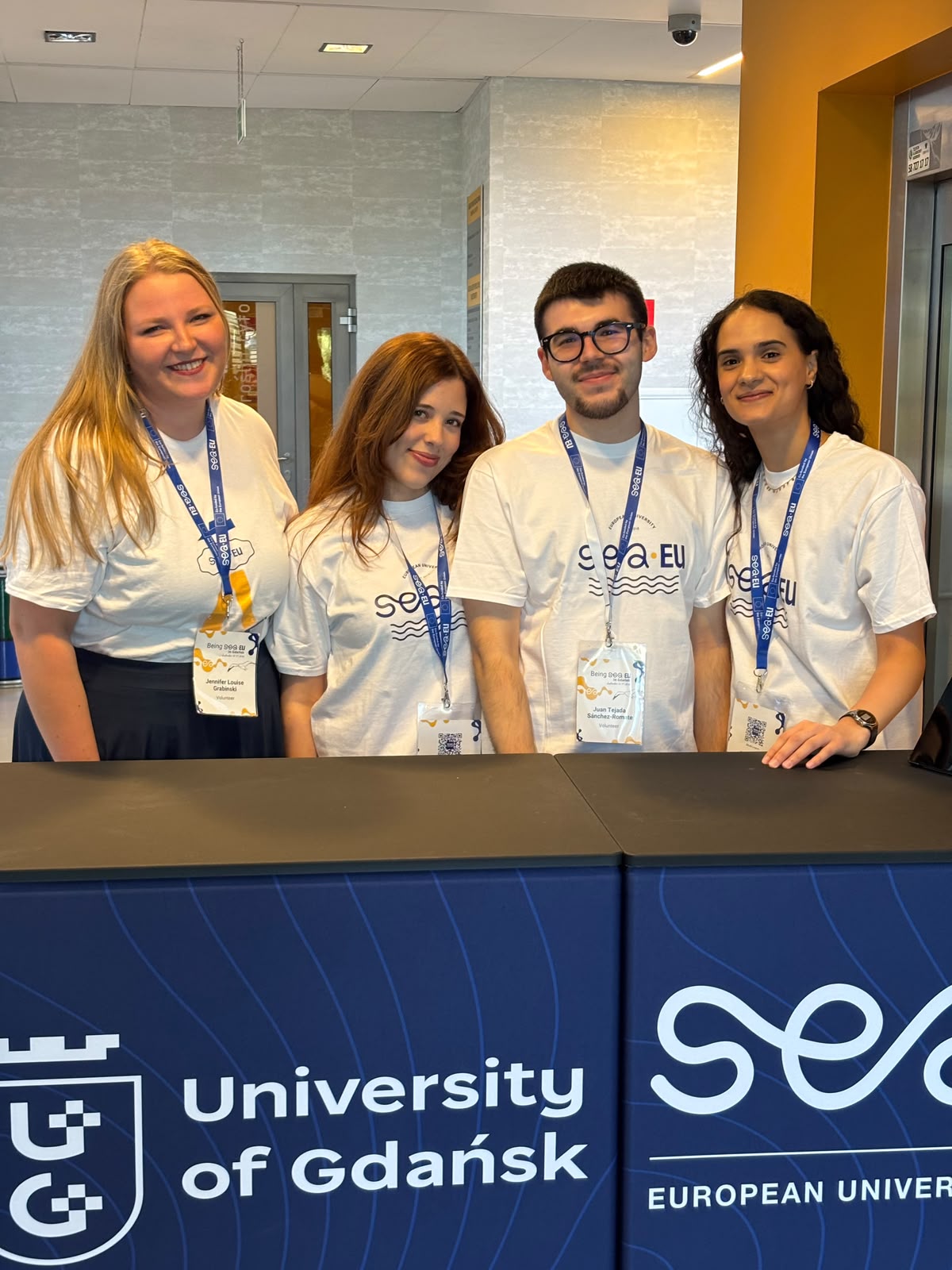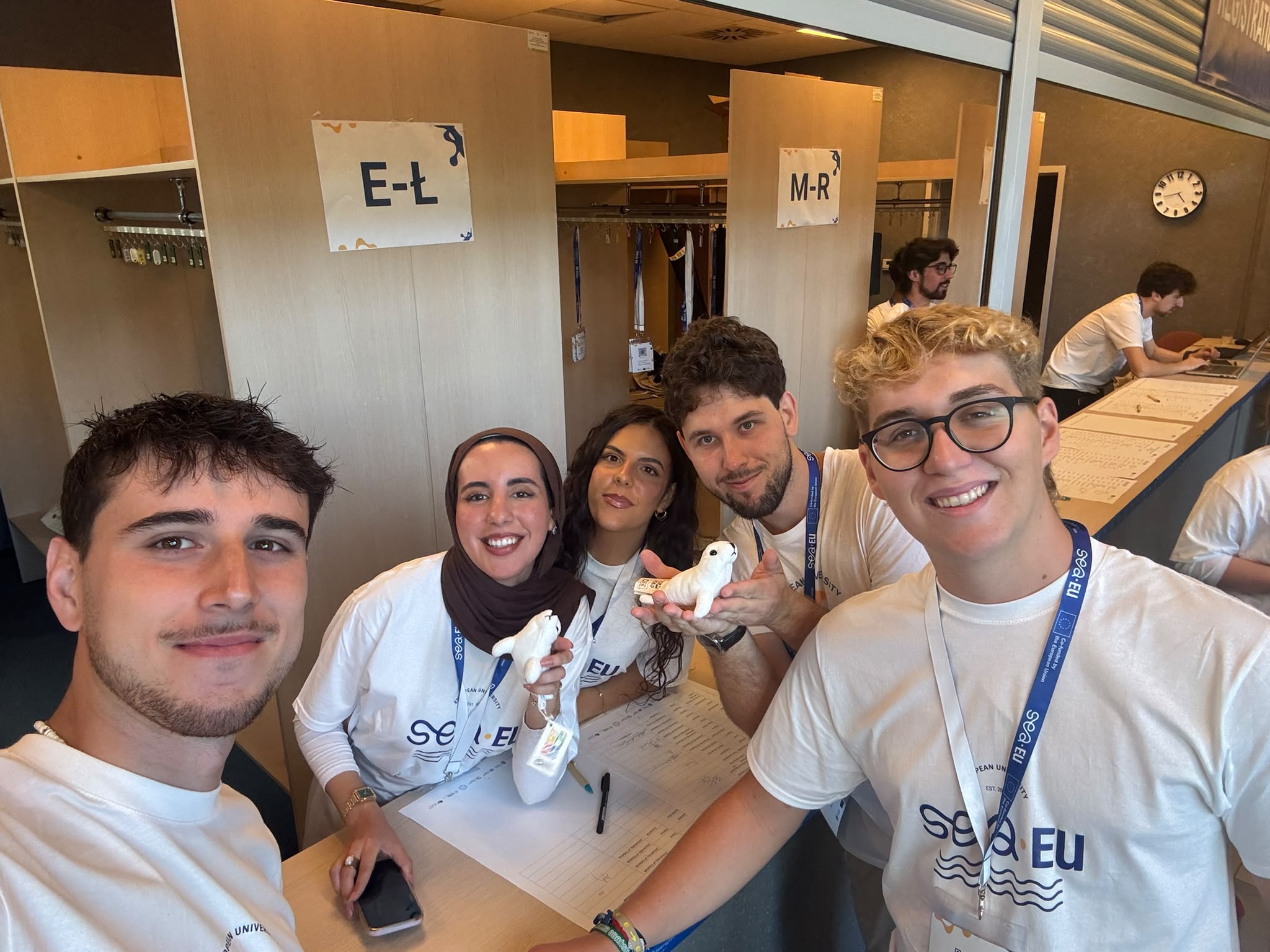
Yasmine from Algeria, Ines from Portugal, Jenny from Germany, and Hitesh from India. They came from different places, each with their own stories and experiences. For a few weeks, Gdańsk became their shared home. As part of the European Solidarity Corps, 14 volunteers from different parts of the world learnt not only to work together, but also what diversity means in practice. ‘You can go about your life wondering what diversity actually is, until suddenly, one day, these young people turn up and diversity takes on a completely different meaning,’ said Monika Lengier, the project coordinator at the University of Gdańsk.
At the University of Gdańsk, young people from different countries can, thanks to the European Solidarity Corps, get involved in volunteering, discover new places and, above all, get to know one another. Berkay from Turkey, after spending a year at the University of Gdańsk as part of an individual volunteering placement, has joined the university on a permanent basis and now works full-time on social media and content creation as a specialist in the Cooperation and International Relations Office.
On 22 August, 14 young people from various parts of the world arrived at the University of Gdańsk for a group volunteering placement as part of the European Solidarity Corps: from Portugal, Spain, France, Germany and Italy, but also from Algeria, India and Nepal. ‘To take part in the European Solidarity Corps programme, you must be a legal resident of a European country. People aged between 18 and 30 can apply for the programme,’ explains Monika Lengier.
Throughout the project, the volunteers worked closely with the Cooperation and International Relations Office. They helped organise events, prepared content for social media and were involved in activities related to diversity and intercultural understanding.
Ties with Poland are becoming increasingly personal
Wolontariusze biorący udział w projekcie. Od lewej: Jenni, Inês, Juan i Dalila
Among them were also two female students with Polish roots. Will their stay in Poland mean they decide to settle here in the future? Sabine, a 22-year-old from France whose parents are from Giżycko, does not rule out such a scenario. She has just completed her bachelor’s degree in political science and law.
This is already her second European volunteering placement – and her second in Poland. ‘I used to see Poland as a link to my family, but now I’m increasingly realising that it’s a part of me. I feel as though I’m creating my own story, because coming to Gdańsk wasn’t my parents’ idea, but my own. So my ties with Poland are becoming increasingly personal,’ says Sabine.
She adds: ‘When I was younger, my parents and I spoke Polish, but over time we spoke French more and more often, so I’ve forgotten some of my Polish, though I still understand it. That’s why I came here – to immerse myself in the Polish language. And if an attractive job offer comes up in Poland in the future, I wouldn’t rule out moving over the Vistula.’
Thirty-year-old Jenny feels German, but she’s proud of her Polish roots. She lives in Düsseldorf and is studying French and Italian philology in Cologne because, as she says, she wants to be a teacher in the future. And just as she switches effortlessly from English to Polish and from German to French, she feels right at home in a new, international group. Perhaps it’s because, as a fifteen-year-old, she spent a year at a French-speaking school in Quebec, Canada? And in later years, during subsequent trips to Italy or France – for her studies and work placements as part of the Erasmus+ programme – she gained more than just linguistic confidence?
‘This isn’t my first trip of this sort, but it’s the first time I’ve been to Gdańsk – says Jenny. - And even though I don’t speak Polish very well, I don’t feel different. Nobody asks me where I’m from. Nobody says, “That German girl”. I feel as though I’ve always been here and belong to this group of people.
Inês, a psychology student, came to Gdańsk from Portugal. How does she rate the project being run at the University of Gdańsk? ‘I didn’t expect us to become so close so quickly, even though we’ve only known each other for a month. We feel everything deeply, much more intensely and beautifully. I really like it and I don’t want it to end.’
What has she learnt during the programme? ‘It’s remarkable how different we are, but also how similar we are. We all laugh at the same jokes, we share our cultures and a bit of ourselves, and even though we all come from different countries – we have so much in common.’
Although this is Inês’s first time on the Vistula, it was her parents’ fascination with Poland that brought her here. ‘They’ve been to Poland many times, and every time they came back, they’d say it was amazing here. My parents really do love Poland and say they’d love to move here when they retire. They’ll be coming to visit me soon, and then I’ll go back to Portugal with them.’
Seals, rain, and the beach
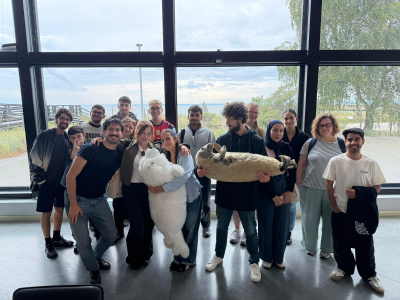
Monika Lengier makes no secret of her delight at the energy and commitment of the young people. ‘As soon as they met, they started chatting to one another and drawing in the more reserved people. I have no doubt that long-lasting friendships have been formed here.’
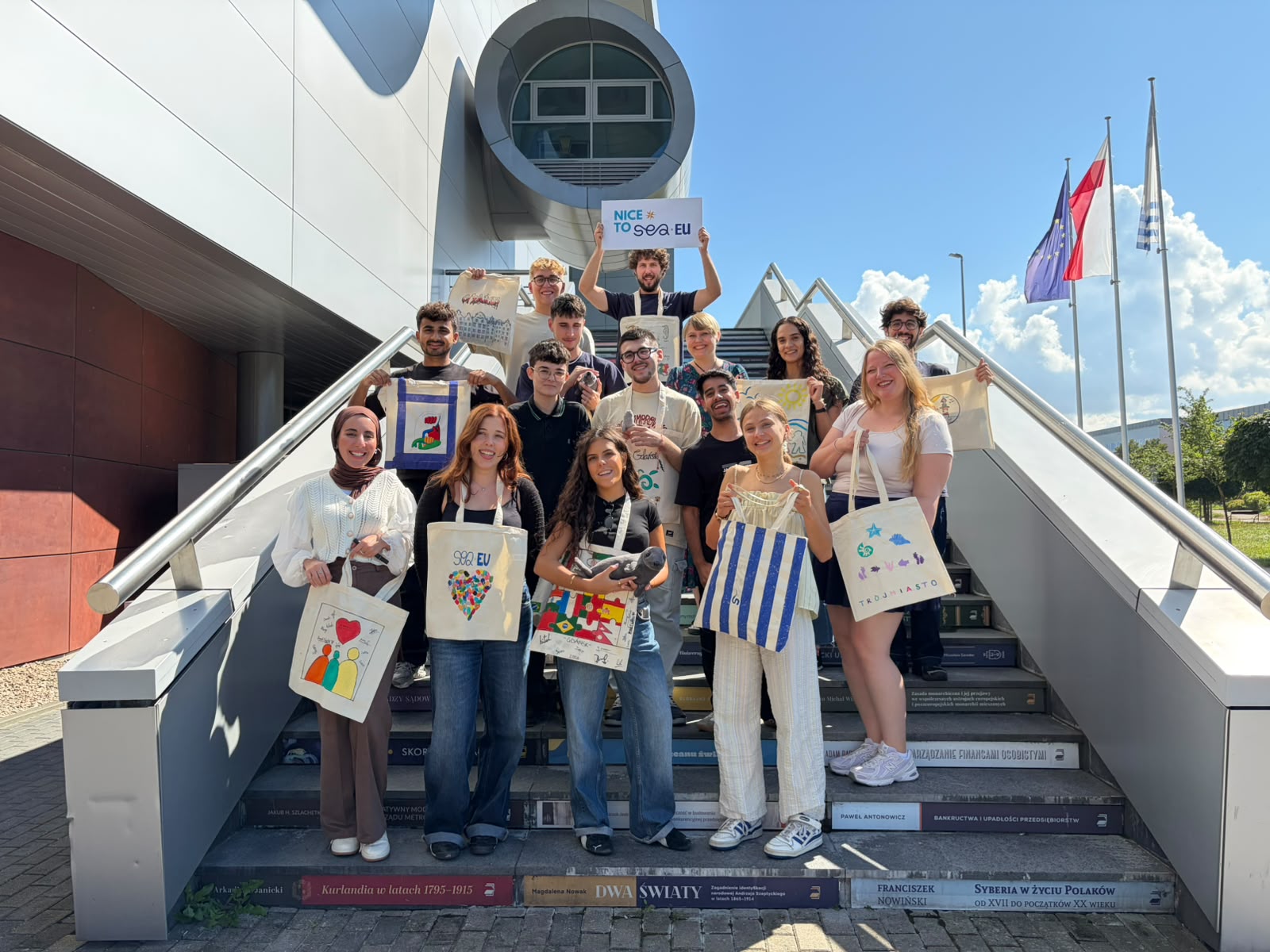
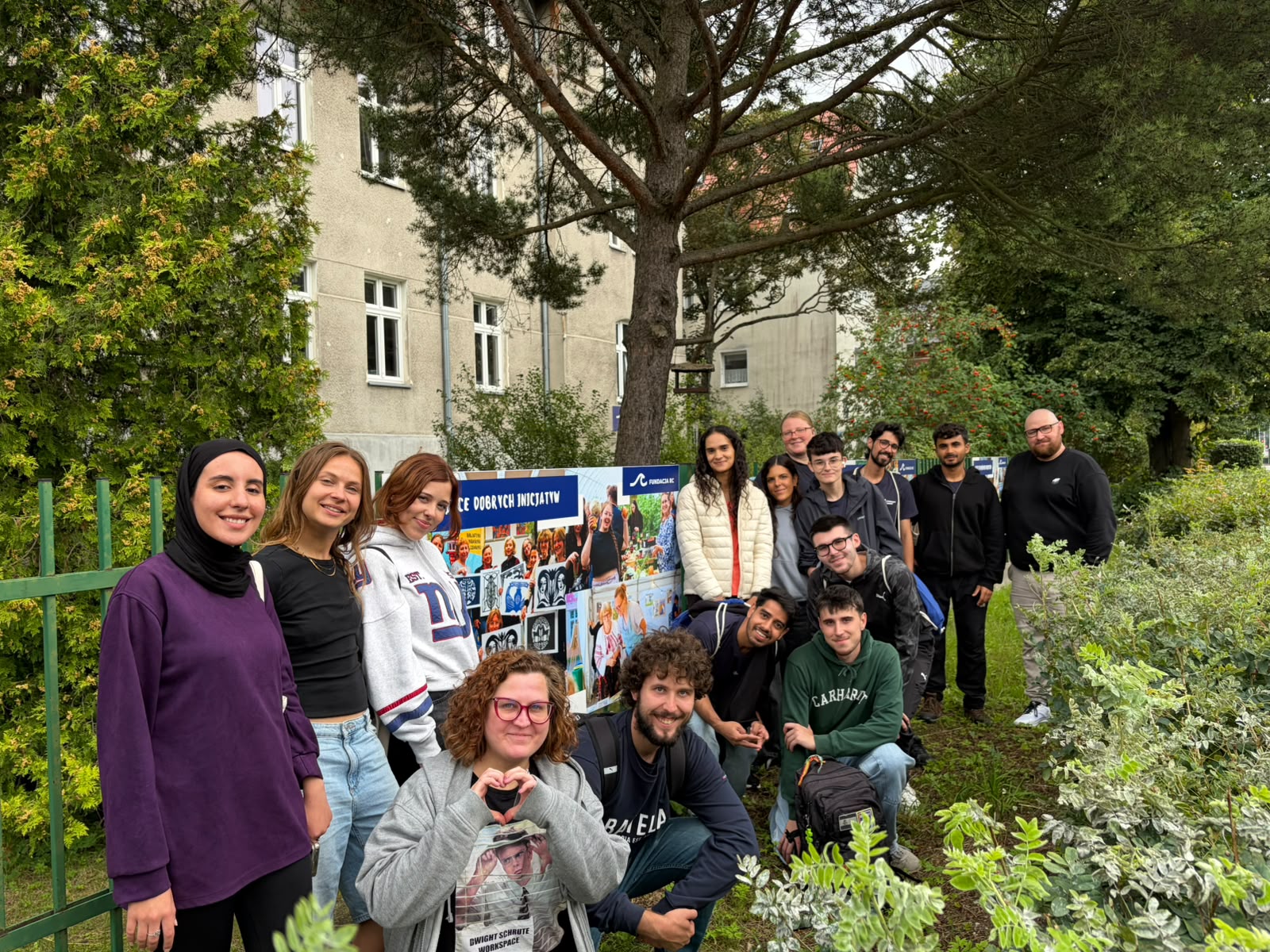
The European Solidarity Corps promotes, above all, European values such as solidarity, inclusivity and diversity. An important aspect of the programme is supporting the local community, which is why the volunteers took part in bag-painting workshops; and, thanks to the openness of Justyna Mirska and Artur Brzozowski, they also got involved in practical work on the RC Foundation’s premises, painting and assembling furniture, raking leaves, digging over the garden and carrying out other tidying and maintenance tasks. During the visit, they learnt about the initiatives run by the Foundation and its role in supporting local community activity.
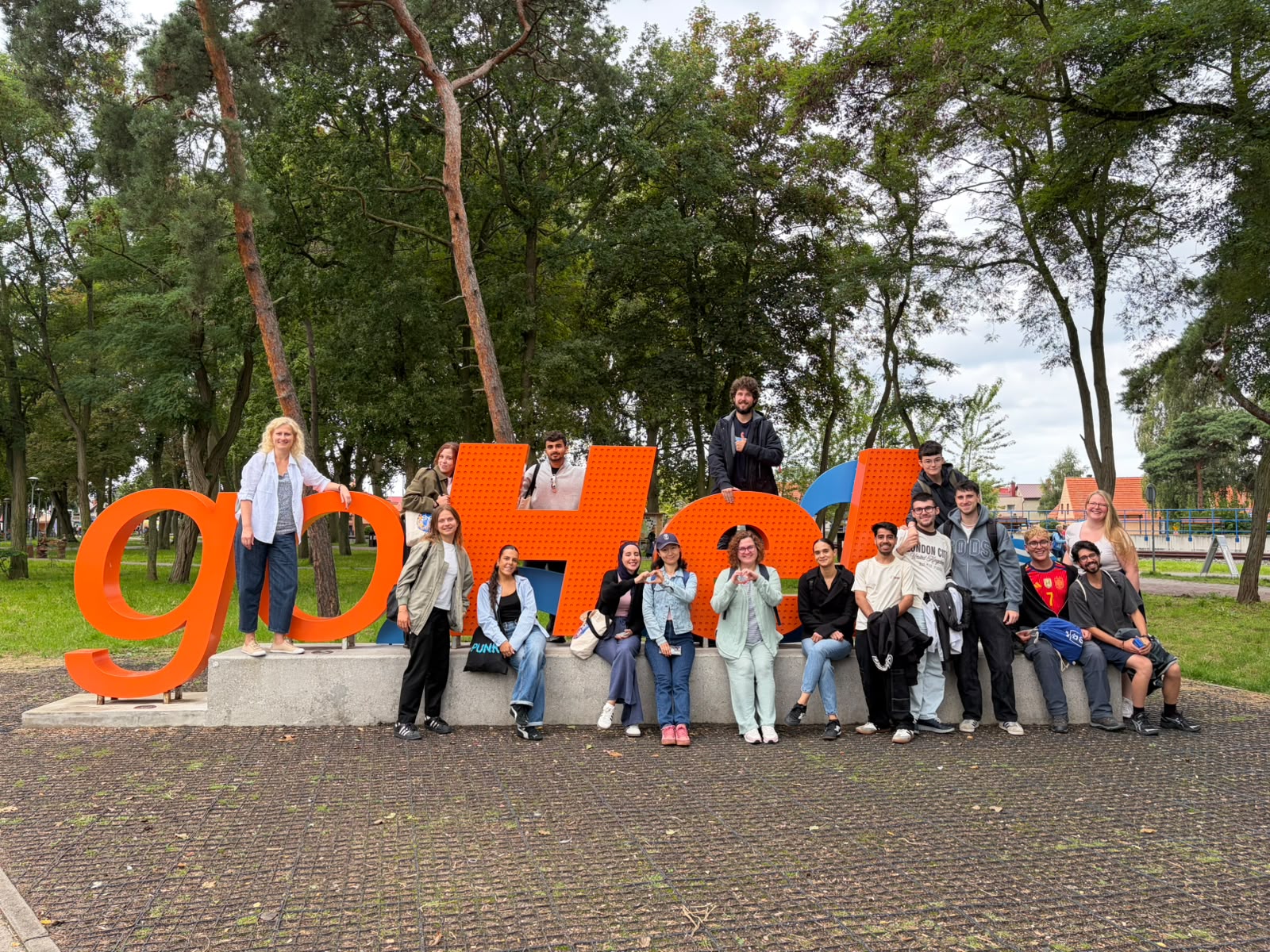
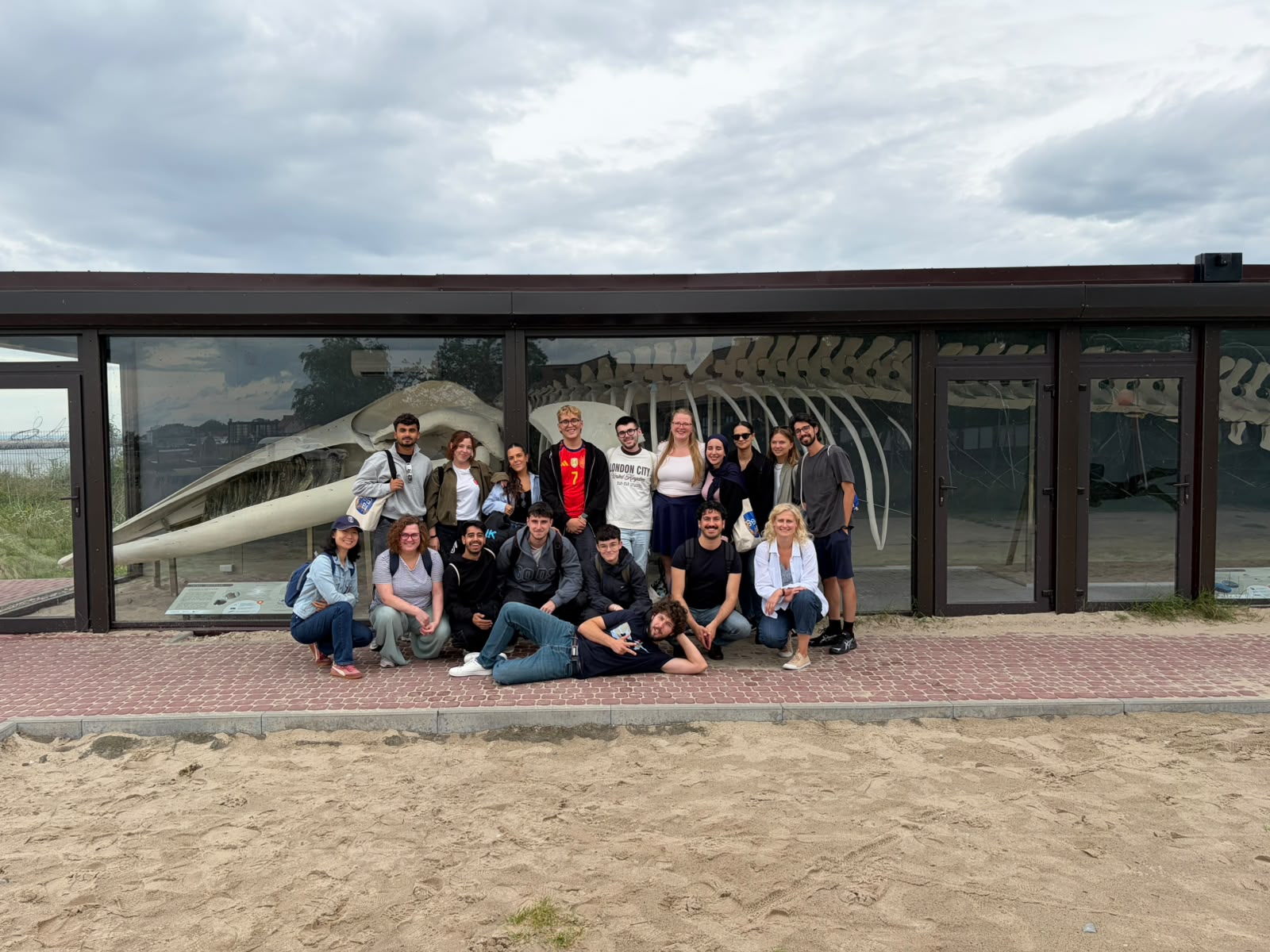
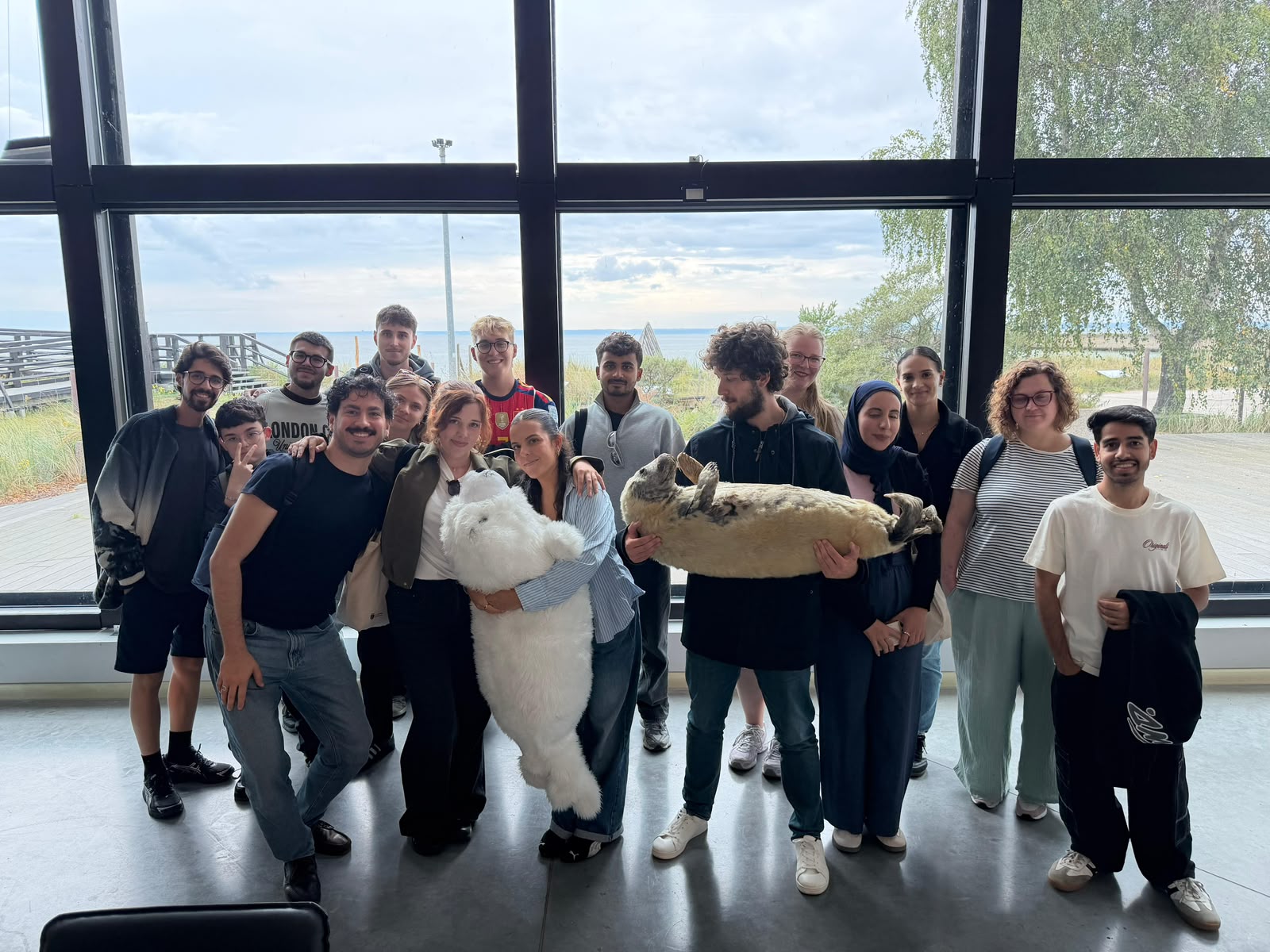
The volunteers also visited the Marine Station in Hel. Mikołaj Koss told them about how the Station operates and the Baltic Sea ecosystem, as well as how pollution and climate change are affecting the Baltic Sea and what we can do to counteract this. The project participants took part in a beach clean-up and bravely weathered the capricious coastal weather, with rain and strong gusts of wind. - It was raining and windy, but they were undaunted – recalls Monika Lengier. - And suddenly, as if on cue, the weather calmed down and the sun came out especially for us. So we were able to continue our clean-up in the sunshine, walk along the seashore and, step by step, make the beach cleaner.
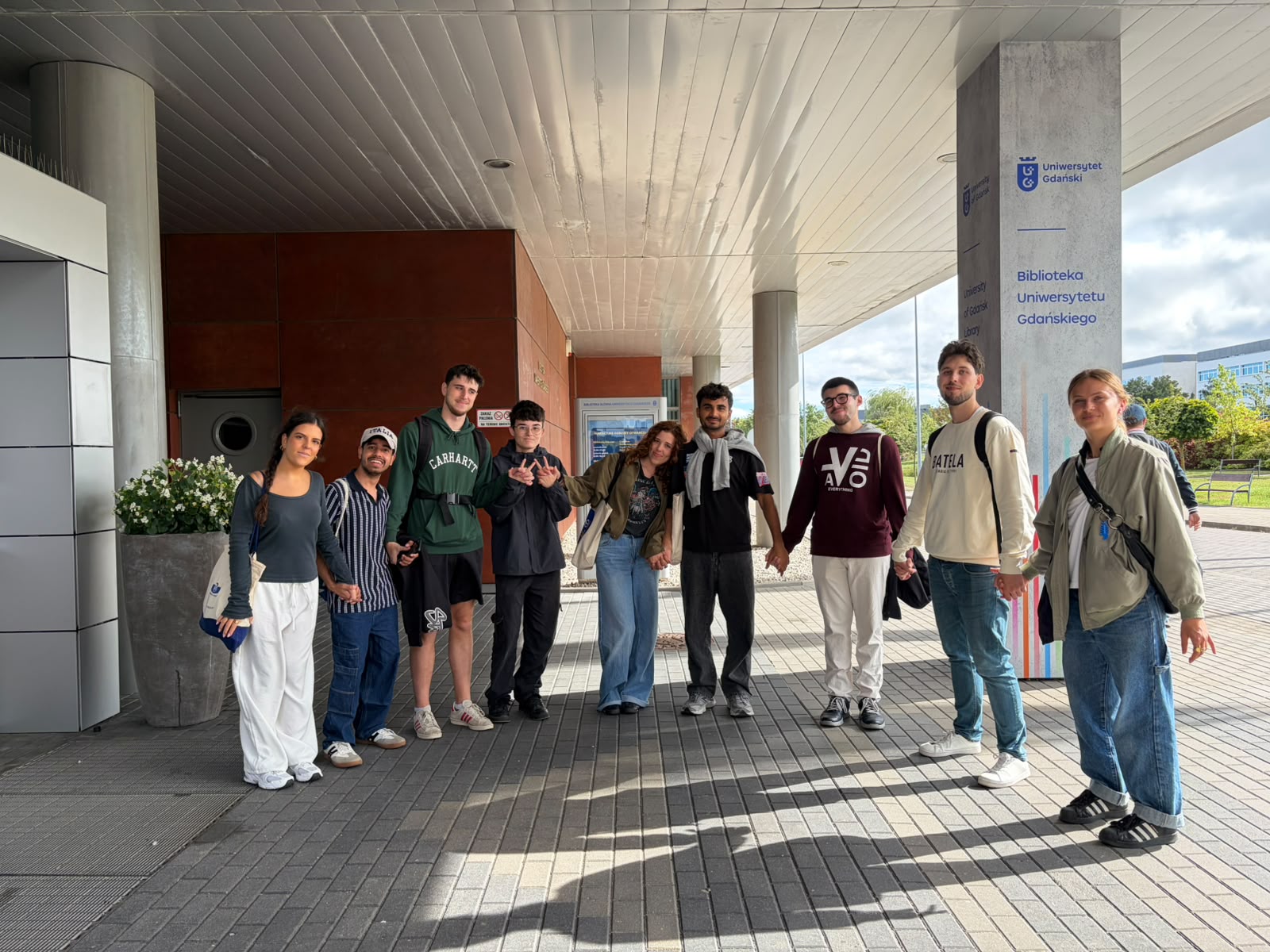
However, the shared experiences were not limited to activities related to the sea and the environment. An important part of the programme also consisted of meetings designed to encourage participants to get to know one another and to be open to different ways of thinking. This was precisely the aim of the ‘living book’ session, organised by Alicja Tuchacz-Kurdziel from the Bibliography and Bibliometrics Department and Patrycja Laskowska from the Promotion Office of the University of Gdańsk UG Library.
‘At first, the volunteers reacted to this part of the programme with interest, but without much excitement. But after meeting the ‘living books’, they couldn’t stop talking. The whole thing was supposed to last two hours, but it went on for four. It was with a heavy heart that I had to bring it to a close,’ admits Monika.
The participants also organised a photography exhibition entitled ‘Diversity and Inclusivity through the Eyes of Volunteers’ and competed for victory in the Eurovision-inspired SEA-EU-VISION 2026 contest. They were also involved in the preparations for the Being SEA-EU conference, which was attended by nearly 300 participants from across Europe. For the participants, this was not only an opportunity to learn about other cultures, but also to put themselves to the test in specific tasks.
David, aged 22, is studying economics at the University of the Algarve. His stay in Gdańsk as part of the European Solidarity Corps is his latest volunteering programme. He proudly recalls one from a few years ago, when he managed to win the title of European Champion. ‘It was a running and walking event, during which you could raise money for charity for a support organisation for every kilometre covered. There was also a ranking system to see which student or which university was the most active across Europe. It turned out to be me,’ he says.
And now, although he’s taking part in an event of a slightly different nature, he also appreciates being able to get involved in organising it. ‘Volunteering at an international event allows me to be part of an open, well-organised environment with people of different nationalities and backgrounds. I’m really happy to be part of it. I also see it as an opportunity for personal and professional development – by helping others, I learn more about myself,’ he emphasised.
‘It feels like home’
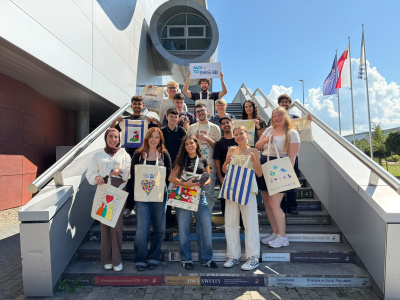
The value of the European Solidarity Corps lies in working for the benefit of the local community. So the volunteers not only spent time with their international peers, but also got involved in local initiatives. For many of them, coming from regions where interpersonal relationships are more direct, interacting with Poles could have been a challenge. What impression did the Poles make on them? ‘They’re very hospitable. Sometimes they can be a bit reserved, but most of them are warm-hearted,’ admits Yasmine, a student from Algeria who is a food scientist and is now studying organic farming in Italy.
‘Some Poles don’t speak English, but you can at least tell from their expressions that they’re trying to help,’ adds David.
‘The food and the atmosphere make me feel at home. I was born in Portugal, but I didn’t feel like a stranger here. To be honest, I wouldn’t mind living here in Poland,’ says Inês.
Sharing everyday life
The volunteers are delighted with Gdańsk and Polish cuisine, but above all they emphasise that the most valuable experience for them is sharing everyday life together – despite our differences, or perhaps precisely because of them.
‘I like the fact that, despite how different we are, we can be close to one another regardless of language or religion. There was a moment when one of our friends, who practises a different religion, was celebrating his birthday. We decided to surprise him, so at midnight we knocked on his door and wished him a happy birthday. It was really worth the effort,’ recalls David.
He adds: ‘I didn’t expect that in just a few days we’d bond so easily, do everything together and work on projects that went beyond the programme. We’re having a great time, and what’s more, thanks to the monthly travel pass, we’ve been able to visit other towns: Gdynia and Sopot.’
Juan, a 20-year-old from Spain, highlights teamwork, improving his ability to collaborate with others and respecting their opinions: ‘We spend a lot of time together, not only at university but also outside it. We’ve become one big family.’
Diversity, therefore, was not just a buzzword describing the composition of the international group; it became an everyday experience, as well as an opportunity to learn from one another. ‘It’s not just the things we share that are beautiful, but also what we can see through the eyes of others. Each of us has something to offer, regardless of where we come from. And this programme helps us to recognise that,’ adds 22-year-old Alvaro from Spain.
One such personal experience for the participants was Hitesh’s birthday; he comes from India and is studying machine learning and big data in Italy. It was for him that the volunteers prepared a special birthday surprise.
‘It’s incredibly valuable that all participants are treated equally – regardless of their country of origin or religion. And the birthday? I’m sure I’ll look back on it fondly for a long time to come,’ smiles Hitesh.
‘You can go about your life wondering what diversity actually is, until one day these young people turn up and diversity takes on a completely different meaning,’ concludes Monika Lengier.
Find out more about the project and the volunteers: https://welcomecentre.ug.edu.pl/choose/solidarity/
Follow their story on Instagram: https://www.instagram.com/ug_international_office/