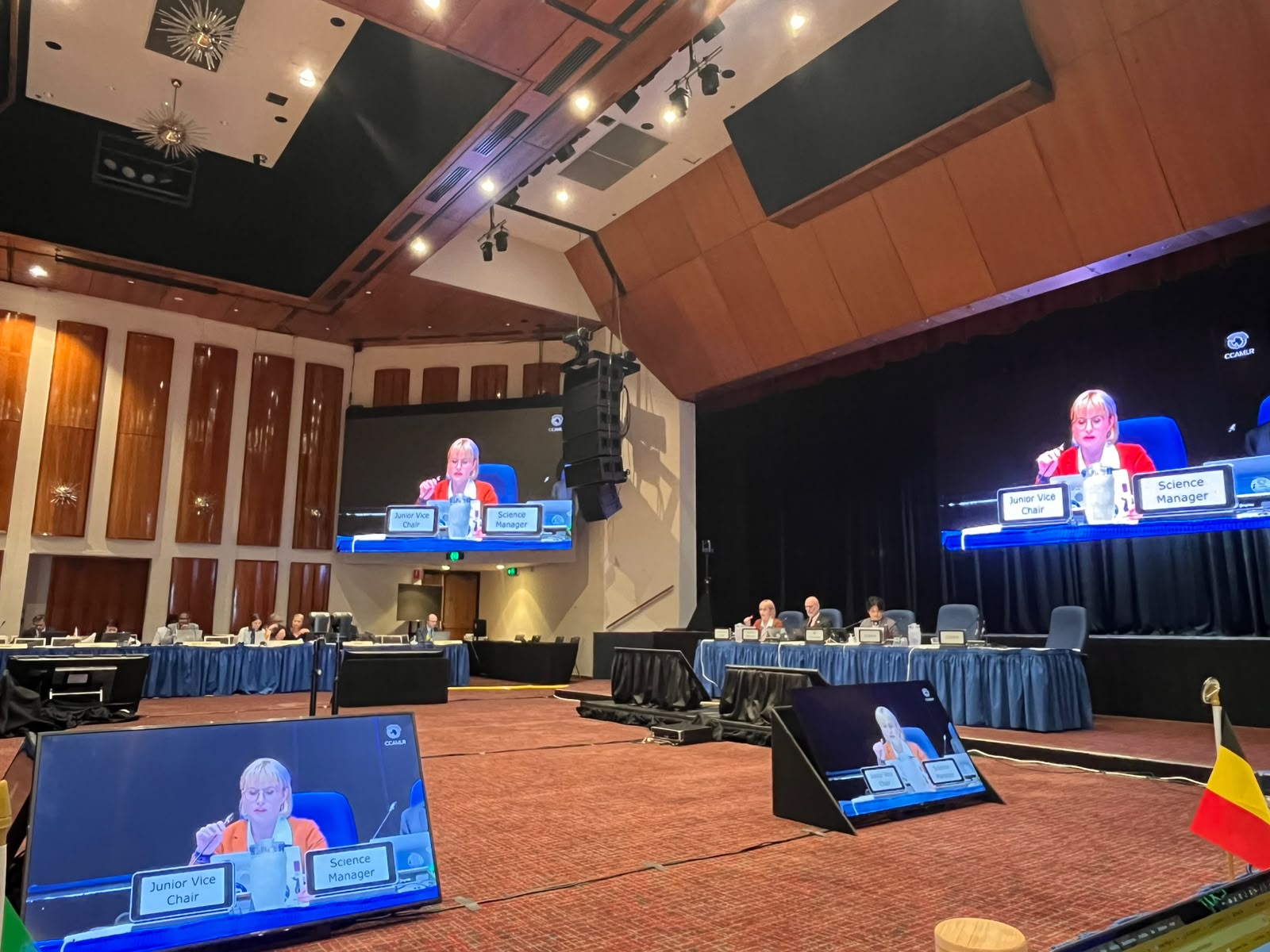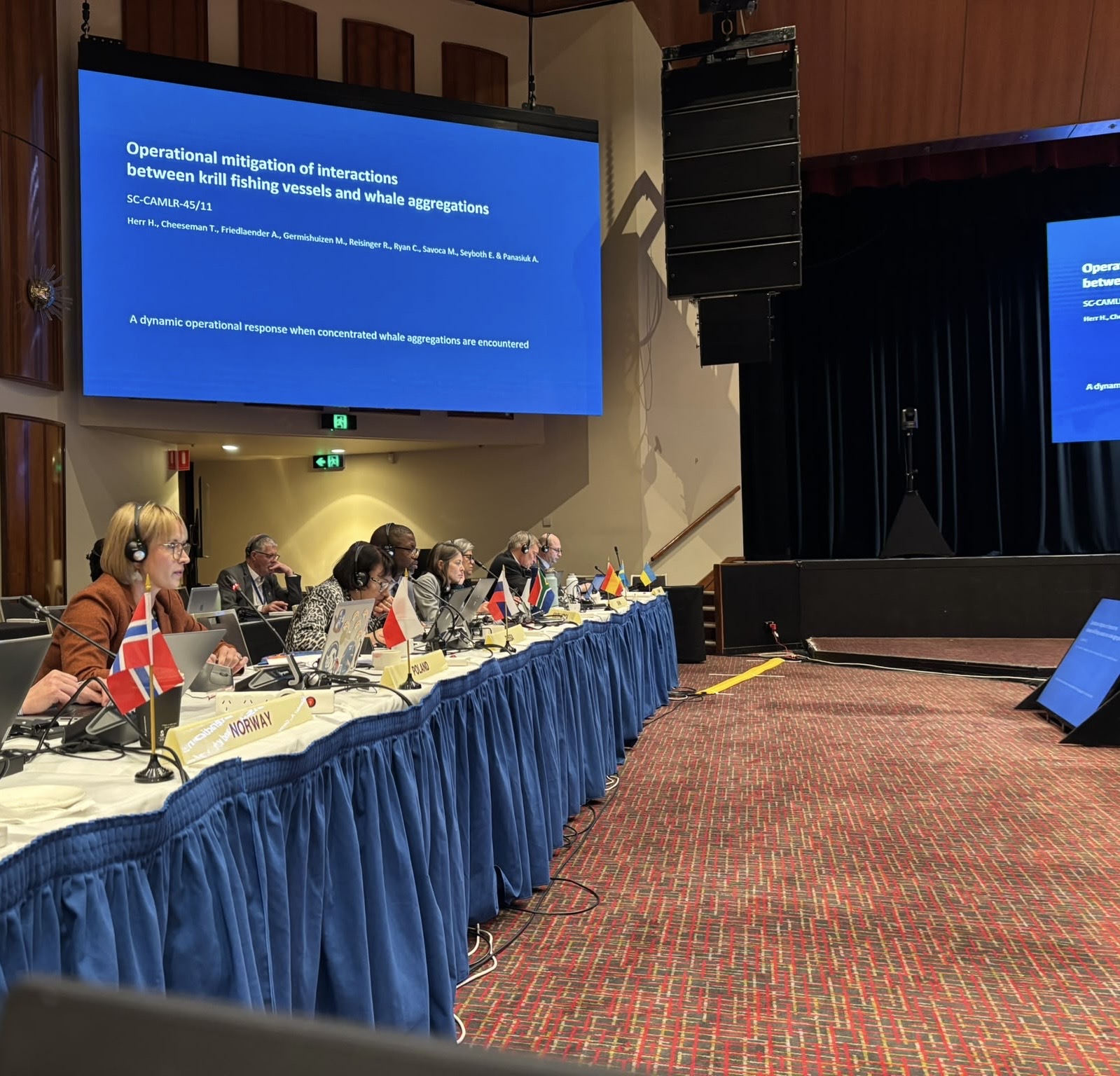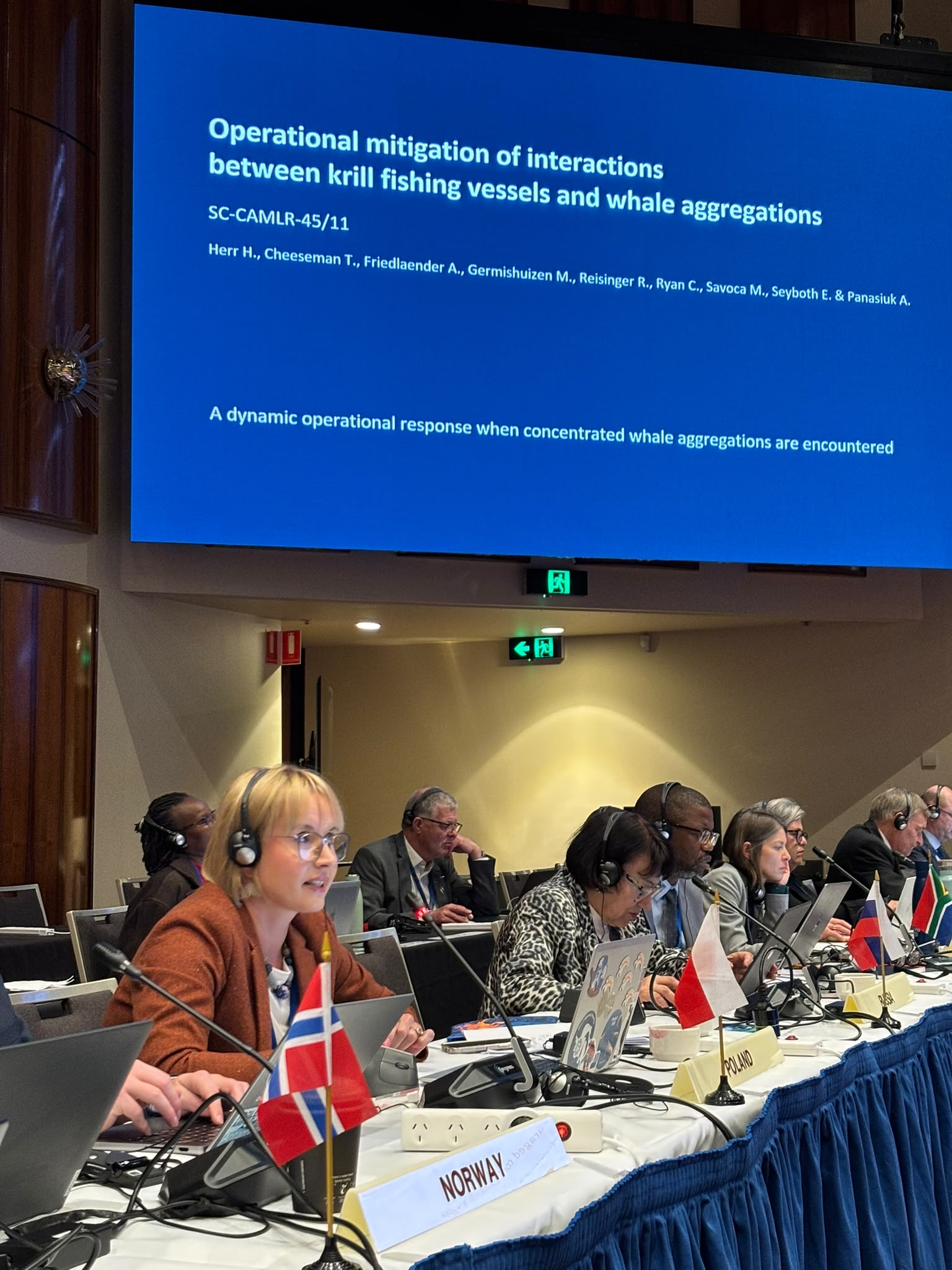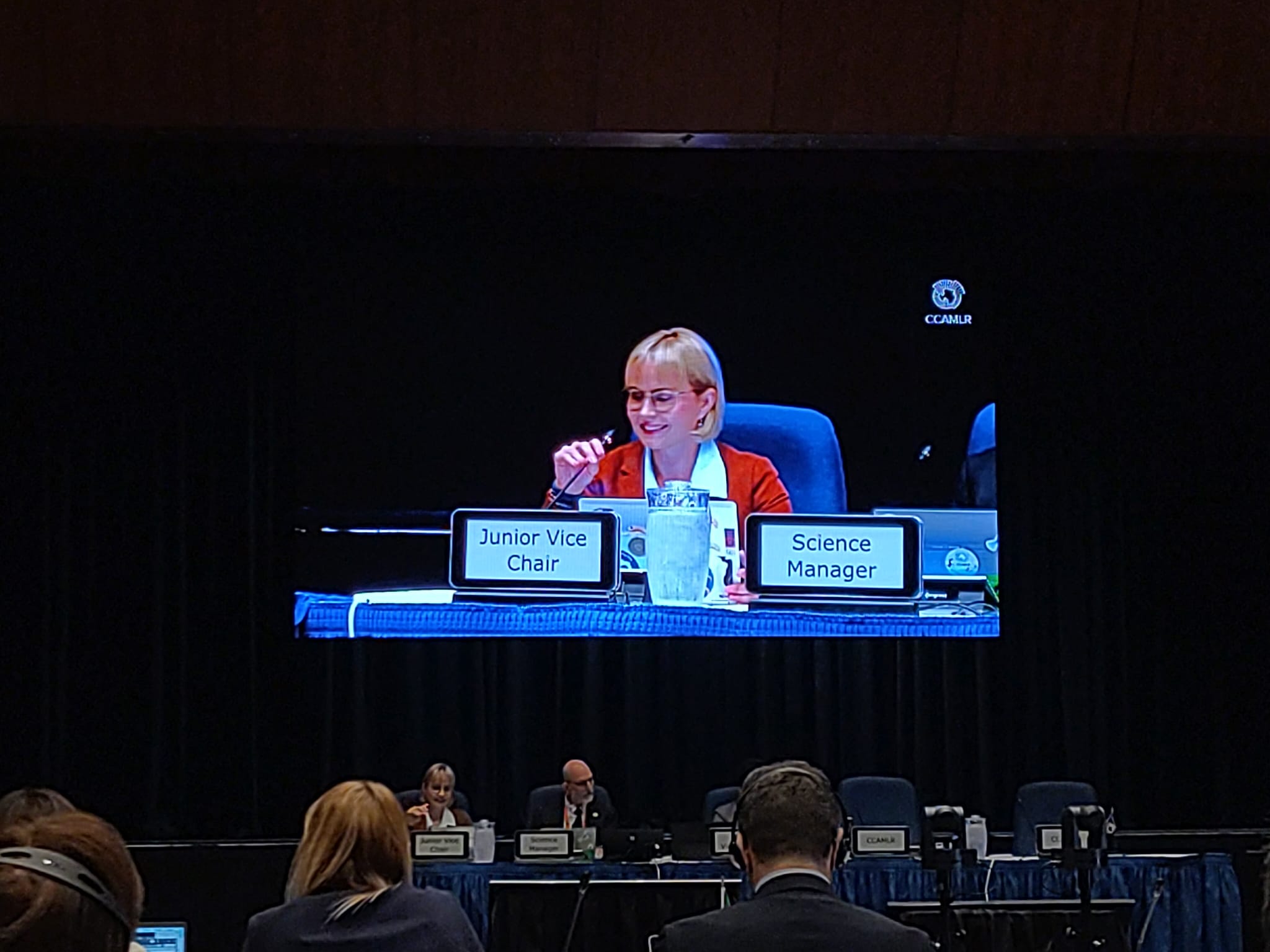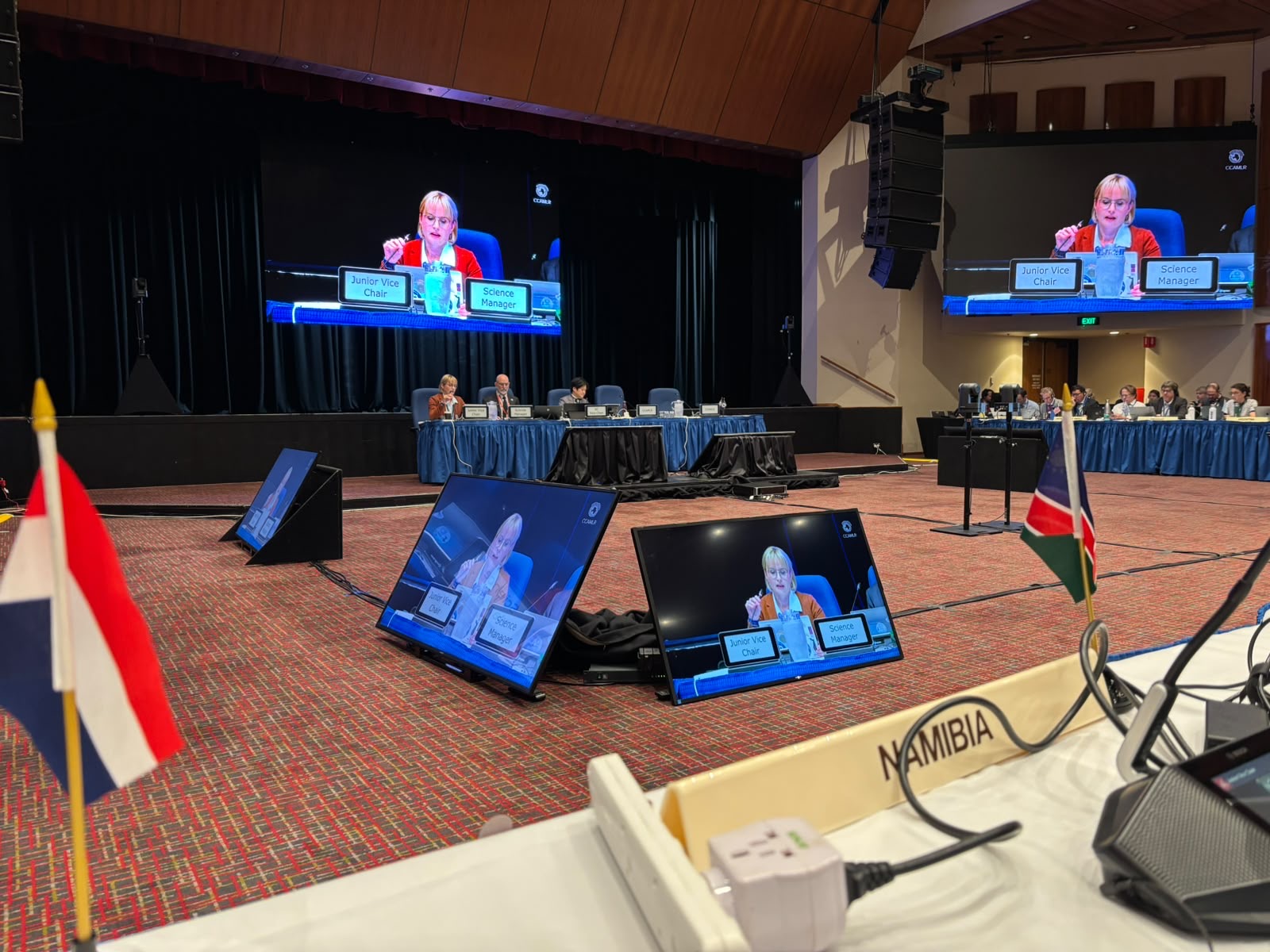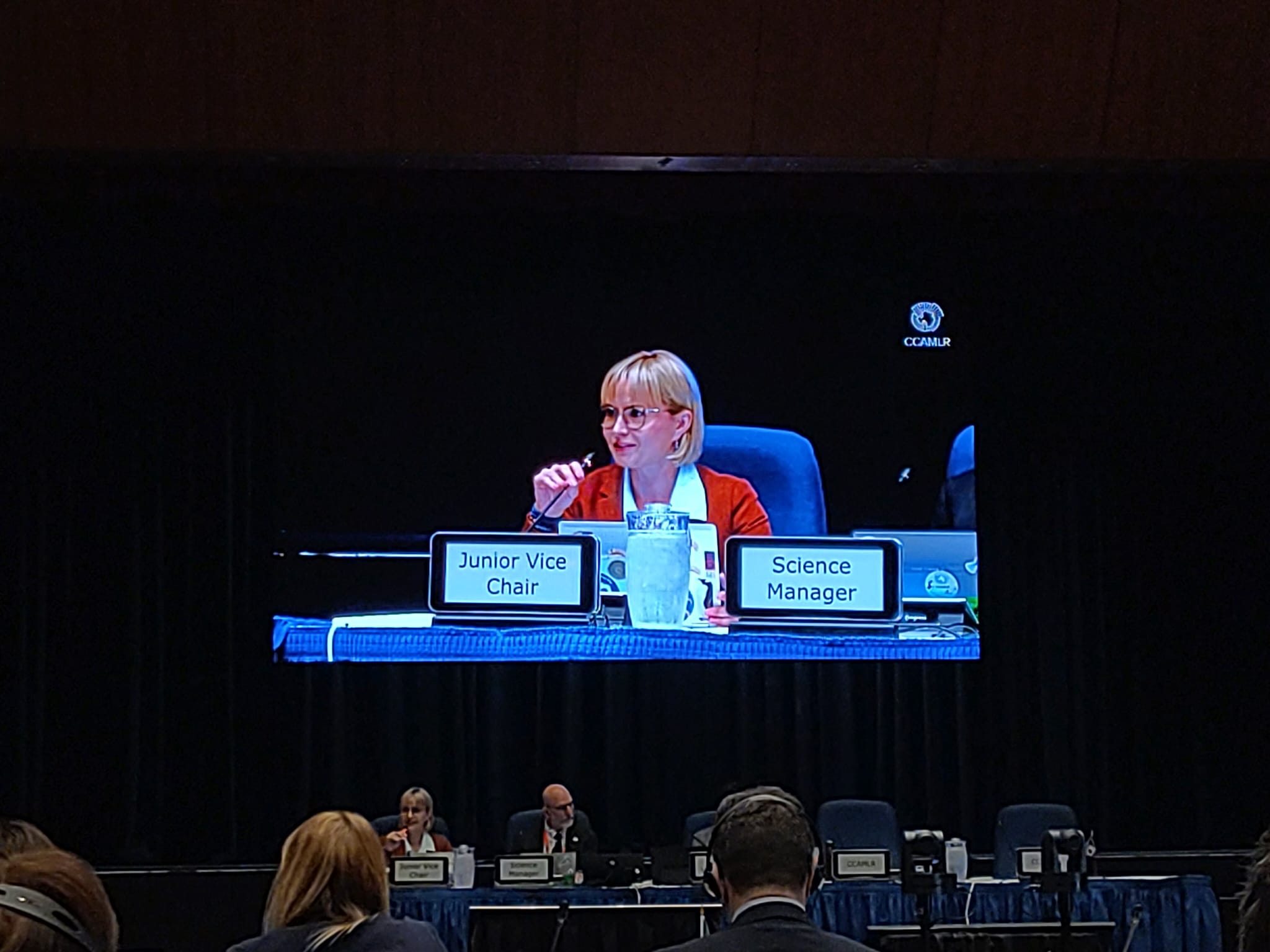
Dr Anna Panasiuk from the Faculty of Oceanography and Geography at the University of Gdańsk took part in the 45th meeting of the Scientific Committee of the Commission for the Conservation of Antarctic Marine Living Resources (CCAMLR), which took place in October 2026 in Hobart, Australia. As a representative of Poland and Vice-Chair of the Scientific Committee, she played an active role in work relating to the conservation of Antarctic marine ecosystems.
The Commission for the Conservation of Antarctic Marine Living Resources (CCAMLR) is an international organisation responsible for the conservation of Antarctic marine living resources and the management of their exploitation in accordance with an ecosystem-based approach. Its Scientific Committee draws up recommendations that form the basis for decisions on species conservation, fisheries management and the preservation of the ecological balance of the Southern Ocean.
Dr Anna Panasiuk serves as Vice-Chair of the CCAMLR Scientific Committee, participating in its organisational and substantive work.
One of dr Anna Panasiuk’s key areas of activity during this year’s session was co-authoring and presenting the scientific paper Operational mitigation of interactions between krill fishing vessels and whale aggregations (SC-CAMLR-45/11) to the CCAMLR Scientific Committee.
The document contained proposals for practical measures aimed at reducing interactions between Antarctic krill fishing vessels and aggregations of foraging whales. The proposed solutions were operational in nature, meaning that they did not involve the creation of new permanent no-fishing zones, but rather the introduction of procedures to respond to the actual presence of cetaceans in the immediate vicinity of fishing vessels.
The proposals put forward included:
- Introduction of a threshold triggering protective measures - the detection of at least 20 whales within one nautical mile of a fishing vessel, in a 60° sector ahead of its bow, would constitute grounds for triggering the relevant protective procedures.
- Change of fishing location (move-on rule) - if a large concentration of whales is detected, the fishing vessel should leave the area where the animals are present and relocate its fishing operations elsewhere.
- Avoiding concentrations of foraging whales - the introduction of procedures restricting fishing operations in the immediate vicinity of cetacean concentrations.
- Temporary suspension of fishing operations - the option to temporarily suspend fishing in situations where there is an increased risk of interaction.
- Reporting the presence of whales and potential interactions - developing procedures for documenting cetacean sightings in fishing areas in order to better understand the scale of the problem and assess the effectiveness of conservation measures.
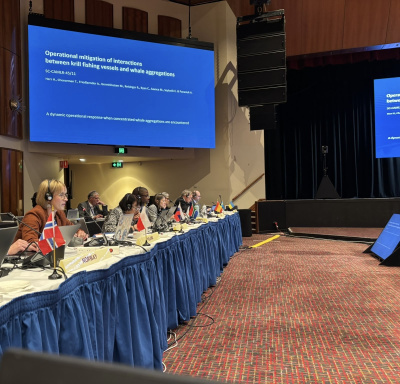
This document formed the basis for discussions on the need to introduce more effective measures to limit the impact of krill fishing on whales.
The CCAMLR Scientific Committee endorsed the establishment of a discussion group tasked with continuing work on operational measures to minimise interactions between krill fishing and whales.
A direct outcome of the discussions on minimising interactions between krill fishing vessels and whales was a declaration by the Association of Responsible Krill Harvesting Companies (ARK) to introduce a voluntary speed limit of 10 knots (approximately 18.5 km/h) for fishing vessels within designated buffer zones associated with the presence of whales, with effect from the next fishing season.
This decision is a concrete outcome of the discussions held during the CCAMLR Scientific Committee meeting and demonstrates that scientific discussions can translate into practical action taken by the fishing sector.
The speed restriction on vessels is primarily intended to reduce the risk of collisions between ships and whales in areas where they are present. This is particularly important in areas of intensive krill fishing, which may also serve as important feeding grounds for cetaceans.
During the 45th meeting of the CCAMLR Scientific Committee, considerable attention was also devoted to changes taking place in Antarctic marine ecosystems, including observed declines in the numbers of certain penguin populations and their possible links to environmental changes and the availability of Antarctic krill.
Discussions regarding the inclusion of the emperor penguin in the CCAMLR Ecosystem Monitoring Programme (CEMP), as well as the development of cooperation between CCAMLR and the International Whaling Commission (IWC), were also a key part of the proceedings.
Dr Panasiuk also took part in discussions on the development of a network of Marine Protected Areas (MPAs) in the Southern Ocean. Despite ongoing difficulties in reaching an international consensus on the establishment of new protected areas, this issue remains one of the key elements of CCAMLR’s work.
Dr Anna Panasiuk’s participation in the work of the CCAMLR Scientific Committee is an important part of the international activity and commitment of Polish scientists to developing the scientific basis for the conservation and sustainable management of Antarctic marine living resources.
Dr Anna Panasiuk’s involvement in the work of the CCAMLR Scientific Committee demonstrates how scientific research and initiatives undertaken by scientists can contribute to the development of concrete solutions for the protection of the Southern Ocean and the conservation of its unique biological resources.