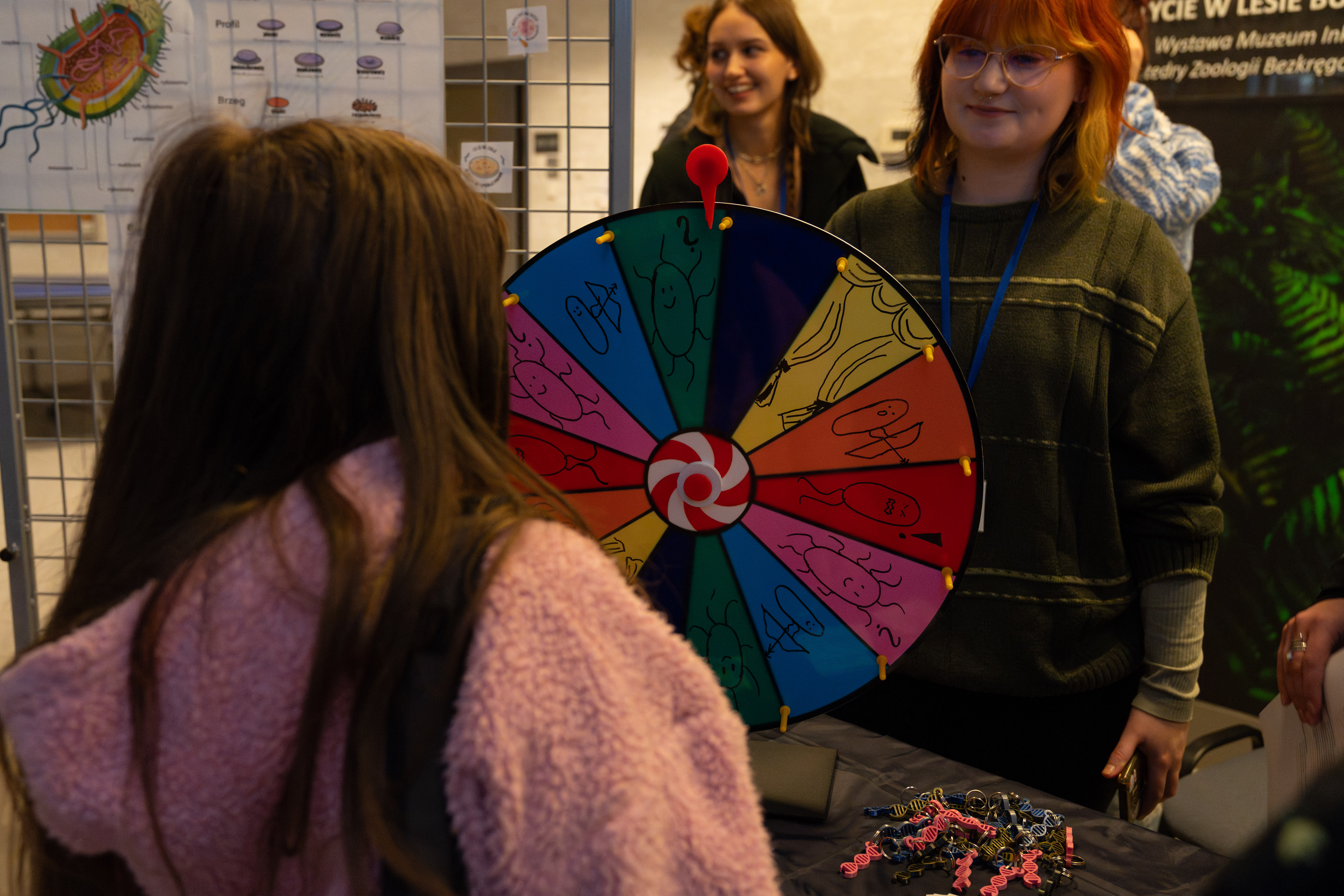
‘Dear guests, we have so many events that we ran out of space for the information stand!’ - these were the first words on the website with the programme of events for Biologists' Night at the Faculty of Biology of the University of Gdańsk. There were also plenty of attractions waiting at the nearby Intercollegiate Faculty of Biotechnology UG and MUG, so that everyone fascinated by biology, regardless of age, could find something for themselves!
Nearly 40 centres from all over Poland took part in the 15th edition of the event, inaugurated by the Adam Mickiewicz University in Poznań, including two departments associated with the University of Gdańsk: the Faculty of Biology UG and the Intercollegiate Faculty of Biotechnology UG and MUG. This year's slogan for Biologists' Night was: ‘Biology full of signals - discover how life speaks’.
The stands of the research clubs at the Faculty of Biology were crowded from the very first hours of the event. What surprises awaited the visitors? First of all, a rich and varied programme that engaged both the mind and the senses and the body. Visitors could experience first-hand how reflexes work (and learn about the mechanism behind them), discover the laboratory value of the inconspicuous weed - the radish - which is an excellent model plant, take a look at dune vegetation, learn the secrets of bats or track down tardigrades under a microscope. Carnivorous plants awaited the brave - one of them, a sundew, could be taken home.
The younger participants were impressed by the skeleton of a fin whale, which is part of the permanent exhibition in the lobby of the Biology Department. What else did they remember? ‘The astigmatism test,’ said one of the fifth-grade students with conviction.
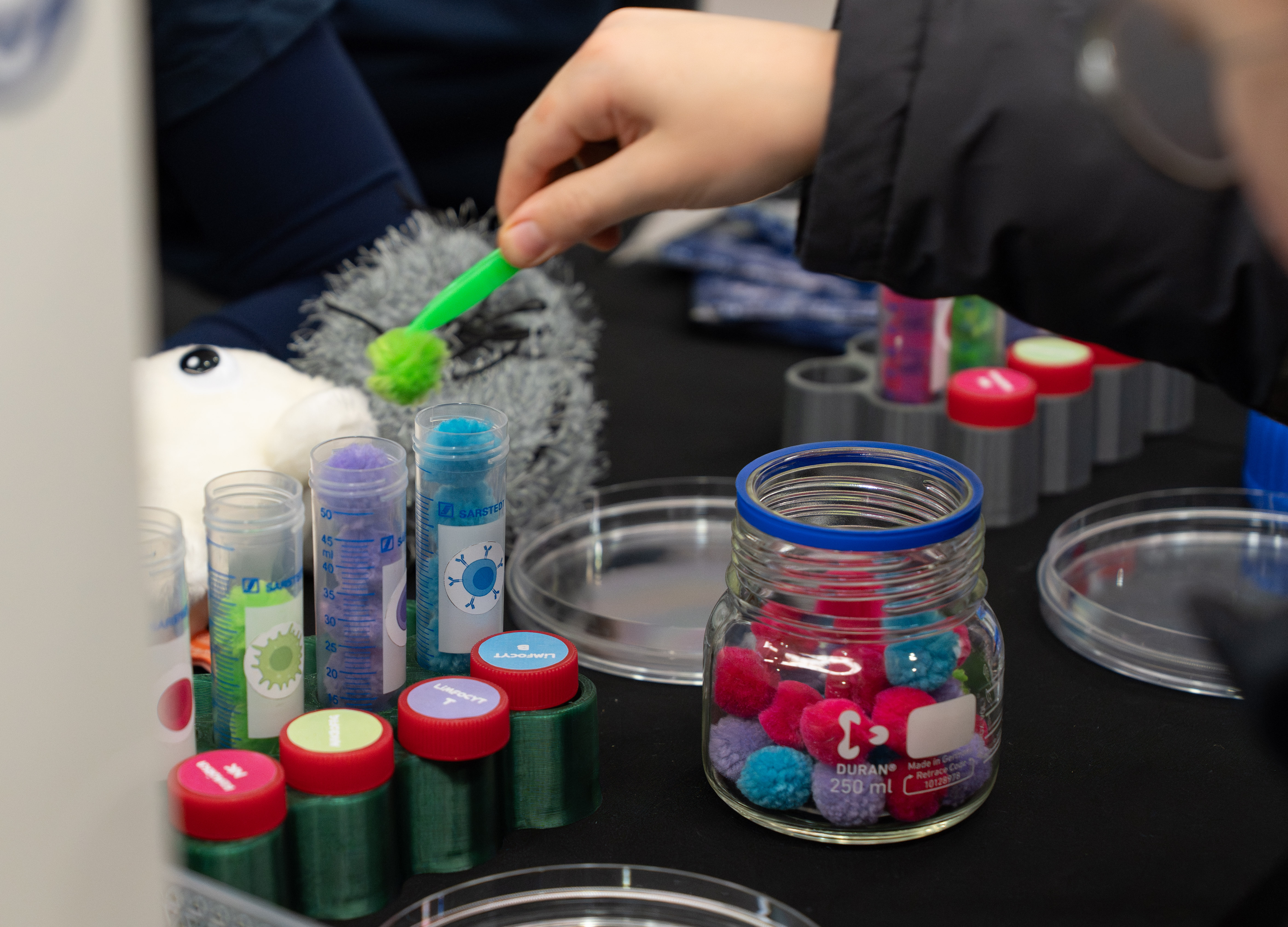
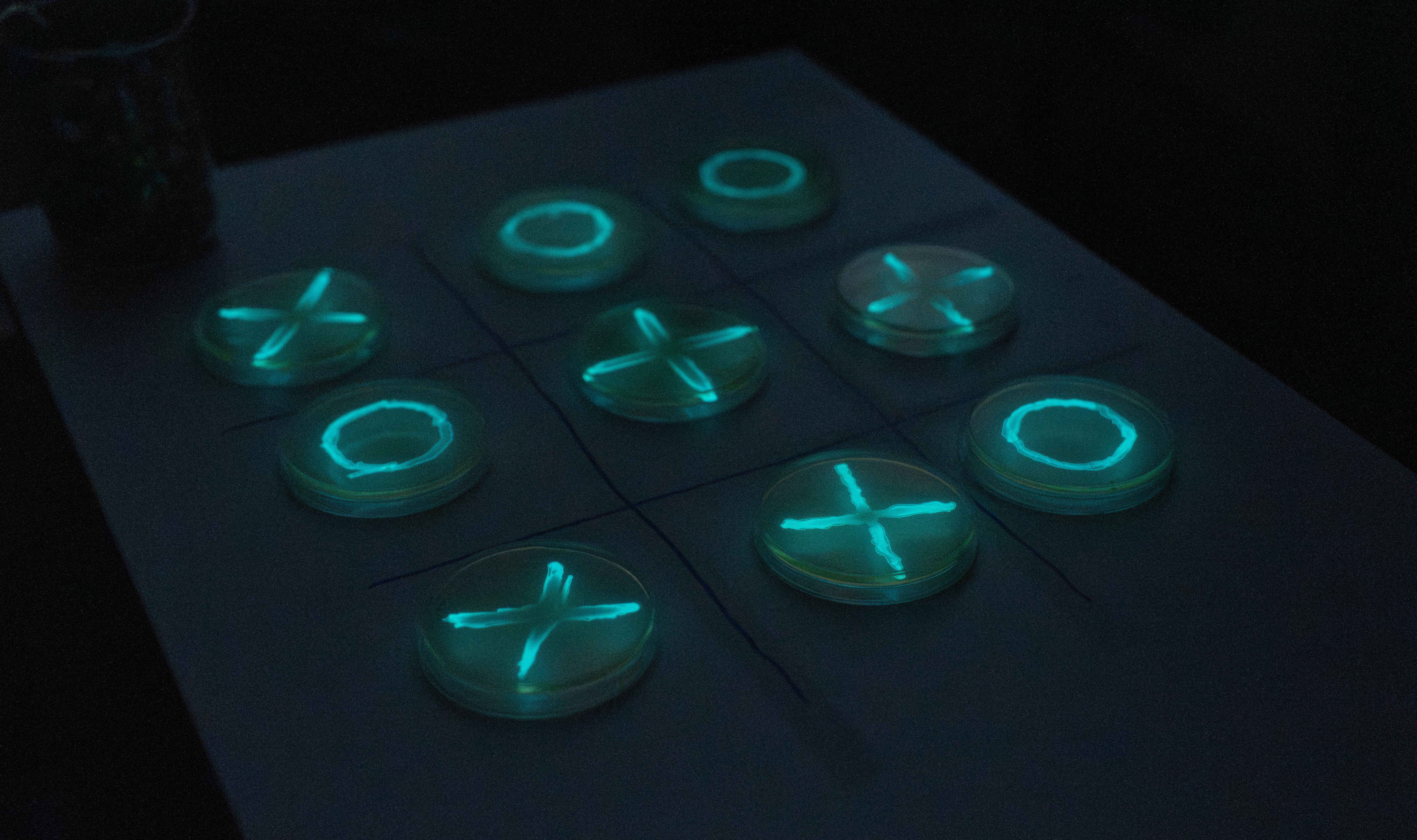
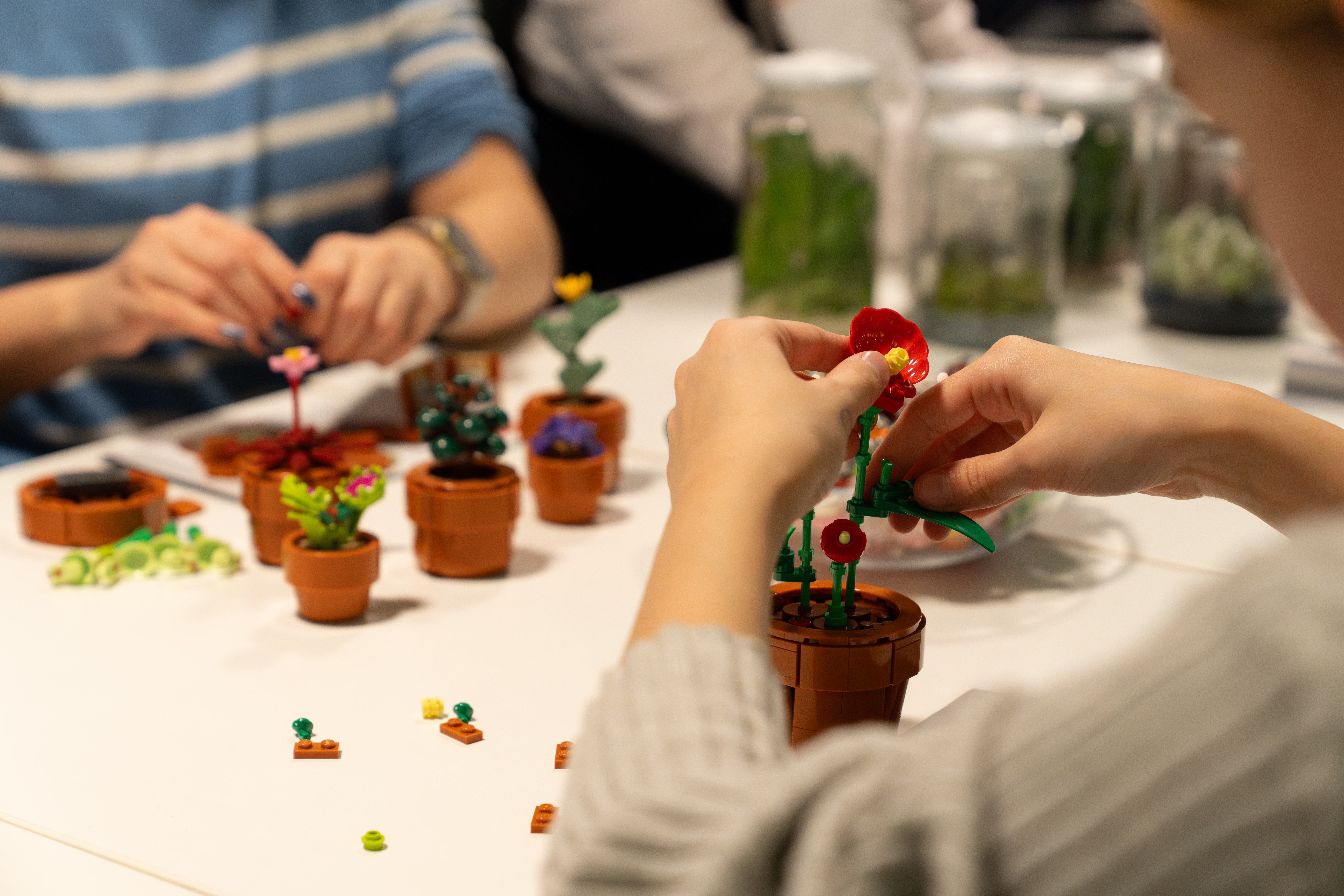
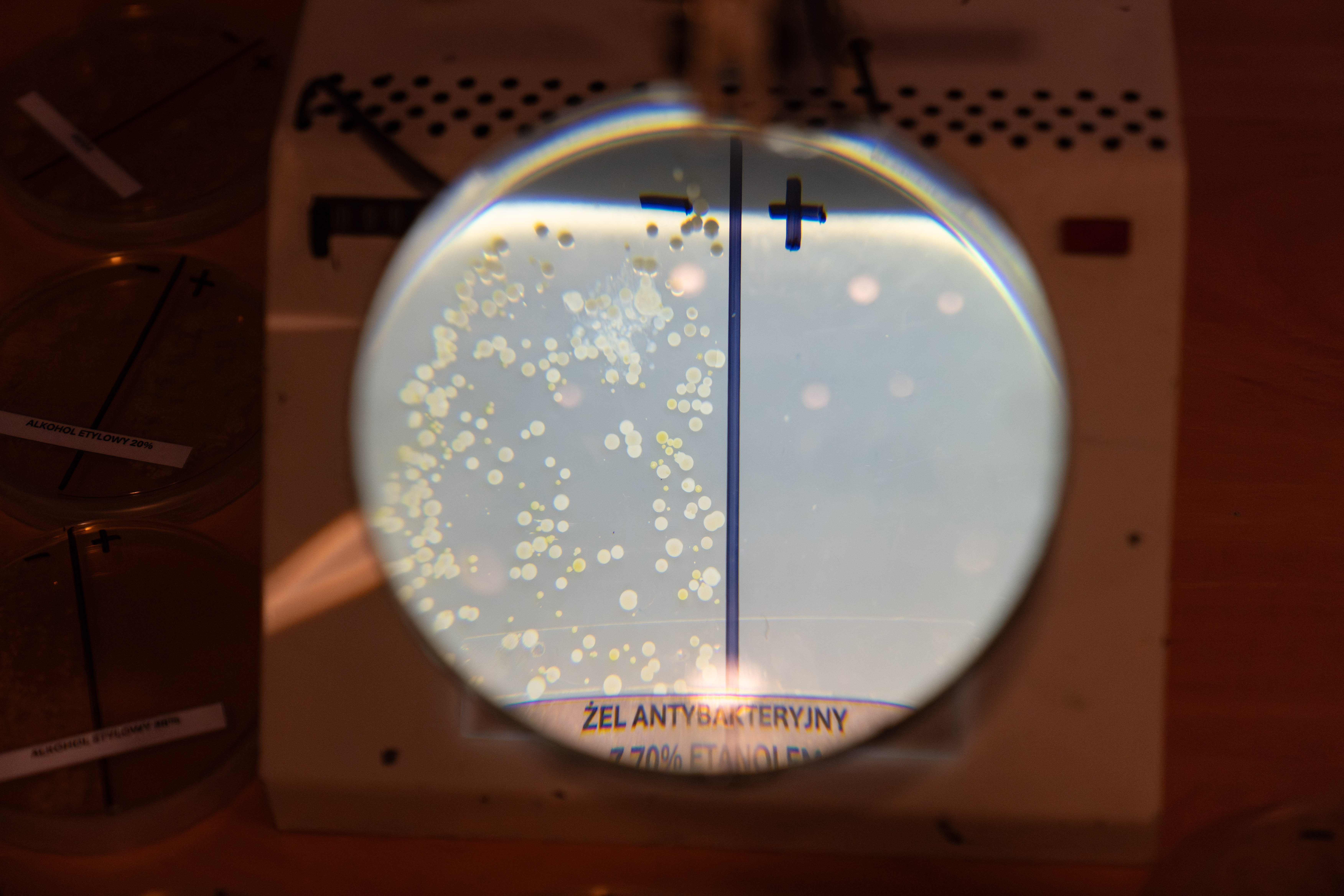
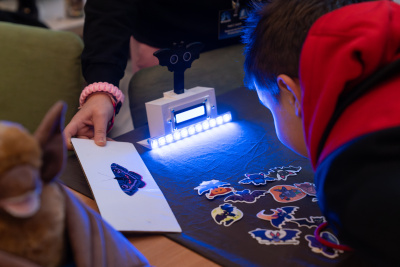
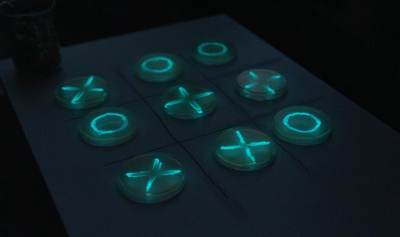
The Intercollegiate Faculty of Biotechnology UG and MUG focused on science through creativity and experiments. Scientists from the International Centre for Cancer Vaccine Science used fluffy models to show how cells are selected to fight cancer. In a darkened room, visitors could admire luminous images ‘painted’ with bioluminescent bacteria. Visitors also had the opportunity to compare plates with bacterial or fungal cultures, learn the principles of safe work with viruses, expand their knowledge about organisms living in the soil and... mould a model of one of them. The finished models showed the enormous diversity of forms taken by these organisms.
‘This is an evening when biology comes out of the books and becomes fun’ - these words from the organisers perfectly capture the spirit of the event.
The Biologists' Night at the University of Gdańsk also included workshops and lectures (both in person and online), which this year focused on the issue of signals and communication in nature: both in the world of plants and animals. Dr Eugeniusz Pronin showed how to read the history of changes taking place in water based on the isotopic signal of macrophytes, Konrad Ślusarz introduced the ‘conversations’ of plants in the root zone, Anna Zelmanowska talked about the various types of communication in the animal world, and mgr Martyna Gajzmer revealed the secrets of mate selection in birds. Piotr Gołaszewski and dr Monika Lipińska (who talked about communication among orchids) also invited the audience to the world of plants and the signals they transmit. Dr Agata Szwarc presented the fascinating world of barnacles, and dr Wojciech Glac shared the dark secrets of brain neurobiology.
Over 200 biologists and biotechnologists from the Faculty of Biology at the University of Gdańsk and the Intercollegiate Faculty of Biotechnology UG and MUG were involved in organising the event, including representatives of the International Centre for Cancer Vaccine Science, as well as employees of the Gdynia Aquarium MIR-PIB and the Gdańsk Zoological Garden. Interest in Biologists' Night continues unabated, and crowds of eager participants, including young people and children, take advantage of the attractions - workshops, demonstrations and competitions. Biologists' Night shows that science can be great fun, and that a passion for it brings us closer to new, fascinating and necessary discoveries.