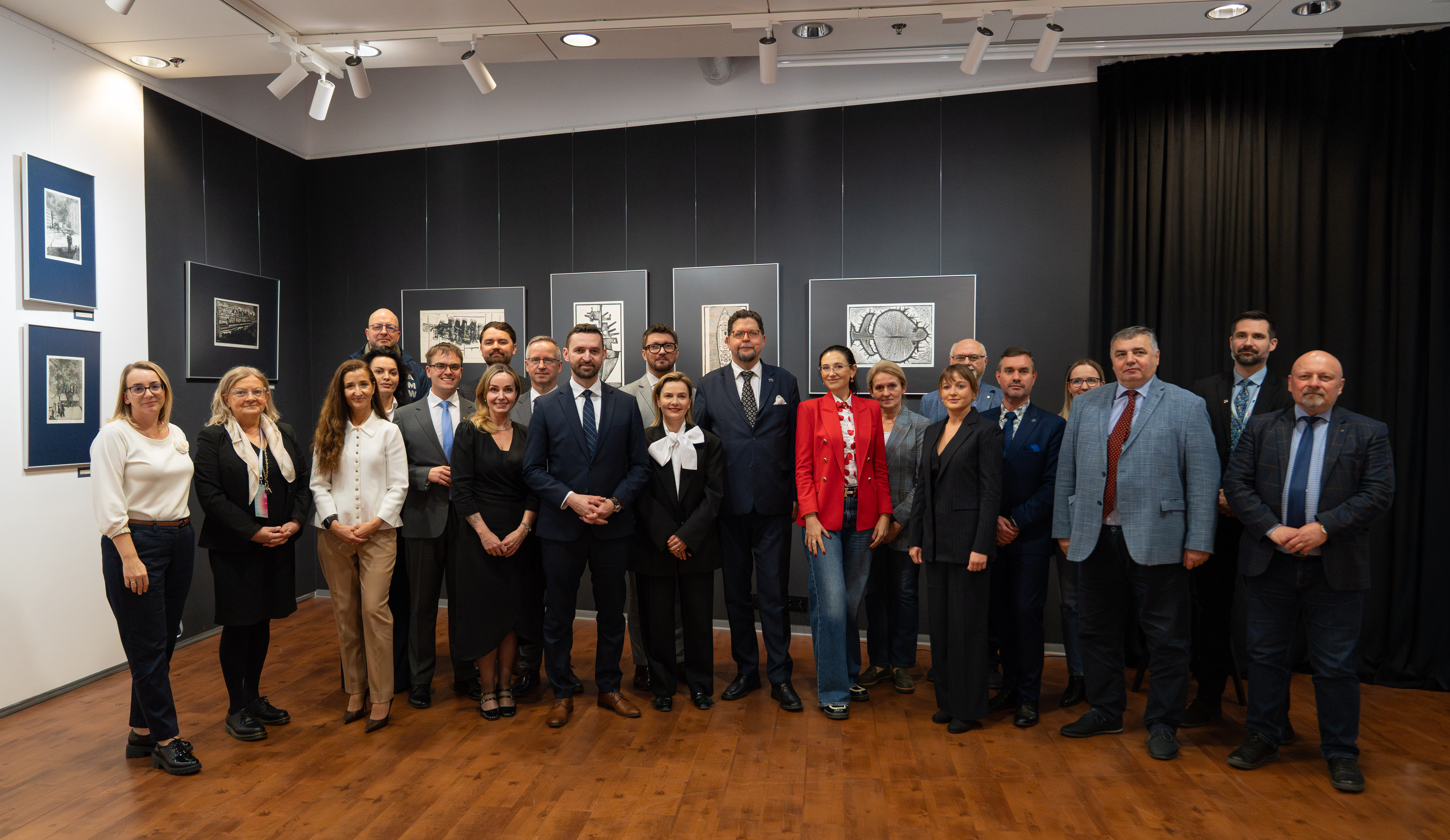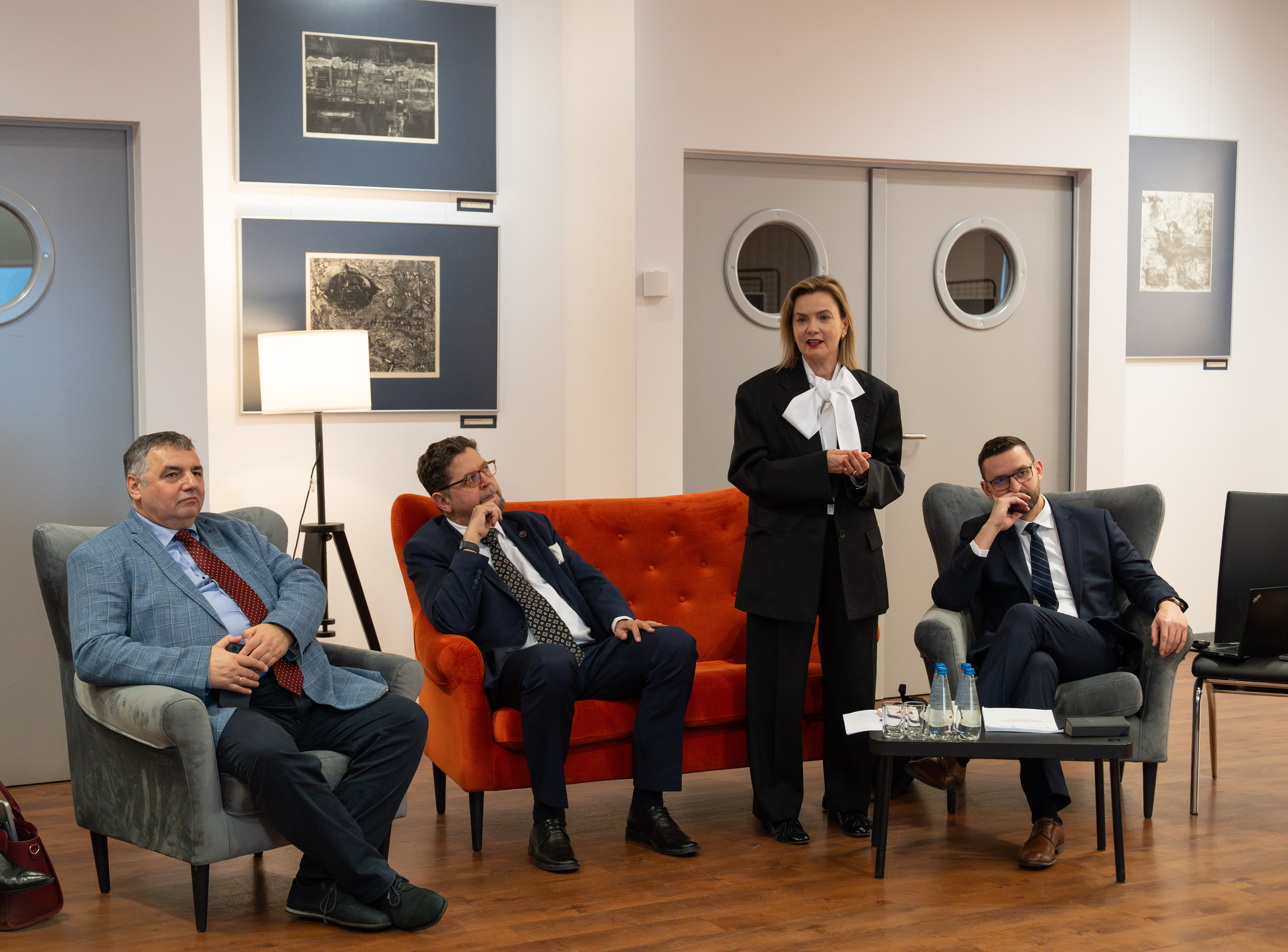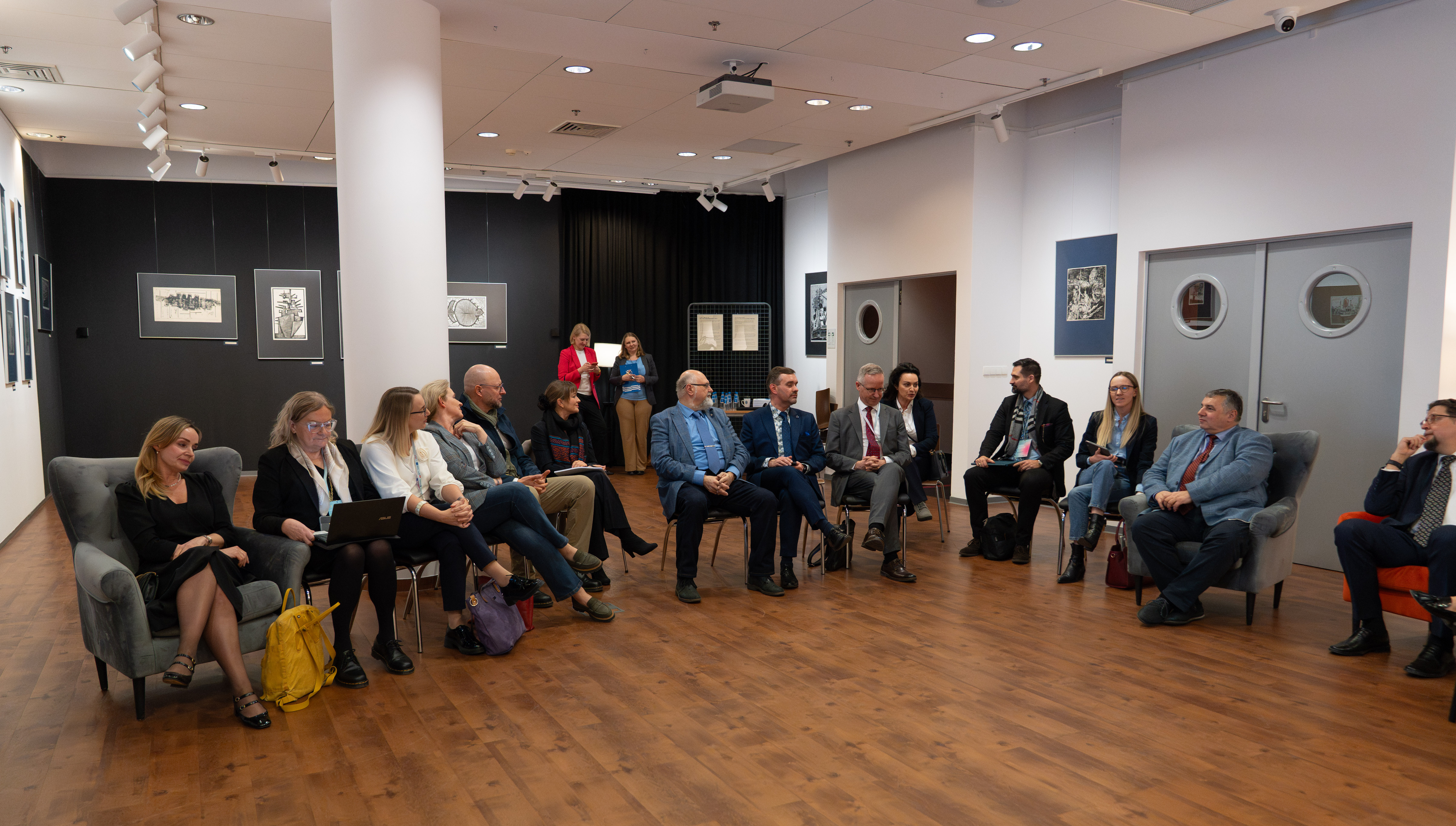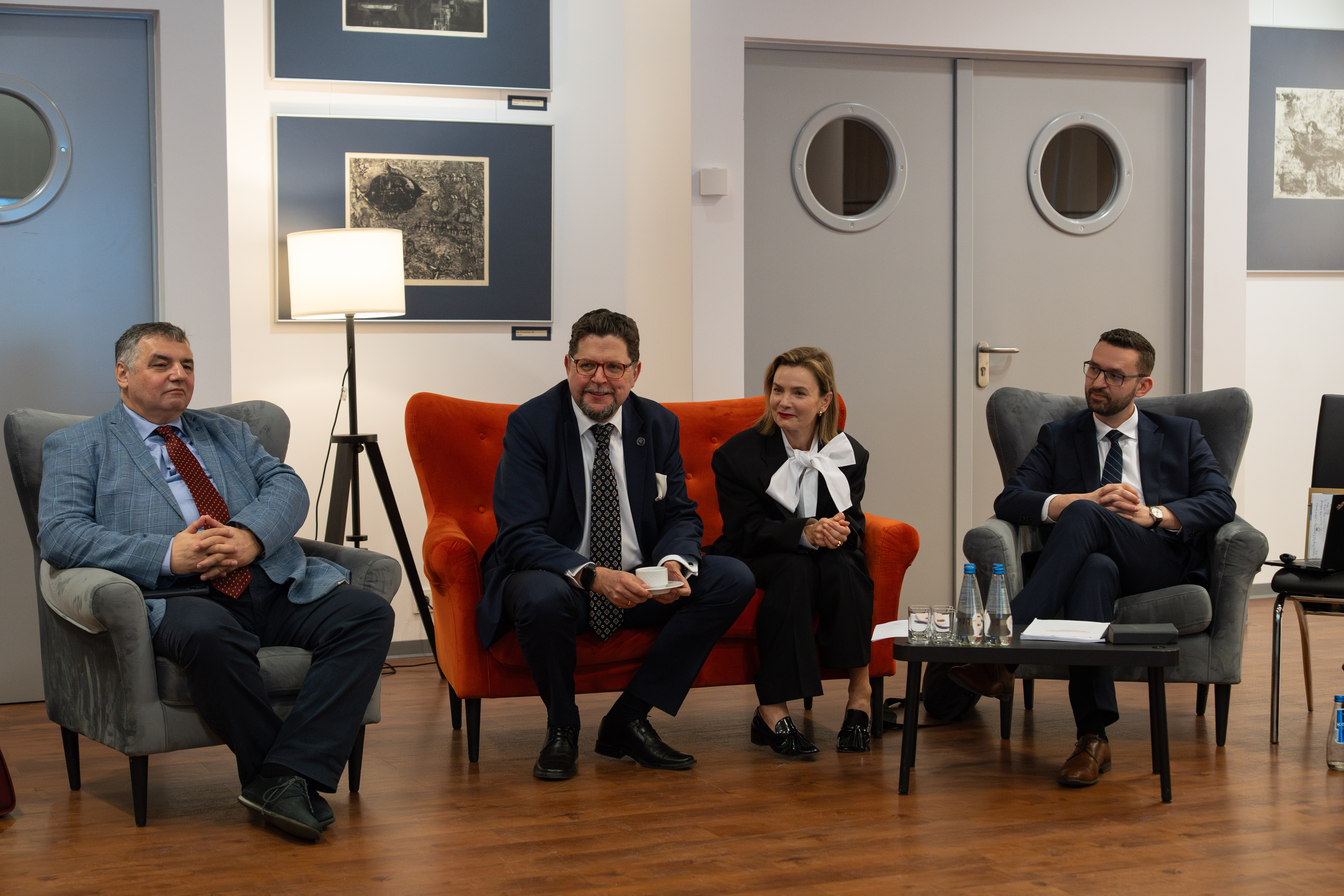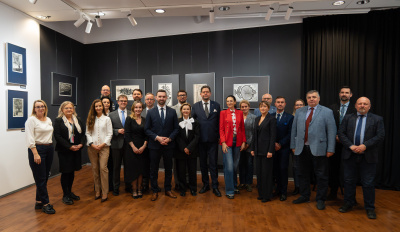
The internationalisation of research, the research landscape, the academic community, and the educational process and content, as well as increasing the potential and visibility of Polish universities on the global stage - these are the fundamental strategic objectives set out in the National Strategy for the Internationalisation of Polish Higher Education and Science, prepared by the National Agency for Academic Exchange (NAWA) under the auspices of the Ministry of Science and Higher Education. On 25 March 2026, the University of Gdańsk hosted a consultation meeting during which representatives of Pomeranian higher education institutions discussed the draft document. The meeting was attended by Deputy Minister Andrzej Szeptycki, Deputy Director for International Cooperation in MNiSW Magdalena Maciejewska and NAWA Director dr Wojciech Karczewski. The proceedings were chaired by the Vice-Rector for Cooperation and International Relations at the University of Gdańsk, dr hab. Anna Jurkowska-Zeidler, prof. UG, who, on behalf of CRASP, was a member of the six-person team drafting the strategy.
‘It is very important for Pomerania that the national Strategy is being presented and consulted on in our region, because we treat internationalisation as a strategic priority in the development of our universities,’ said prof. Anna Jurkowska-Zeidler, opening the meeting. She noted that face-to-face consultation meetings would take place in five selected regions of the country.
‘It is of key importance to treat internationalisation in the strategy not as an end in itself but as a tool to improve the quality of education in scientific and higher education institutions, to respond to the needs of the labour market and the economy, and as a means of strengthening civic attitudes and society’s resilience to global crises,’ she noted.
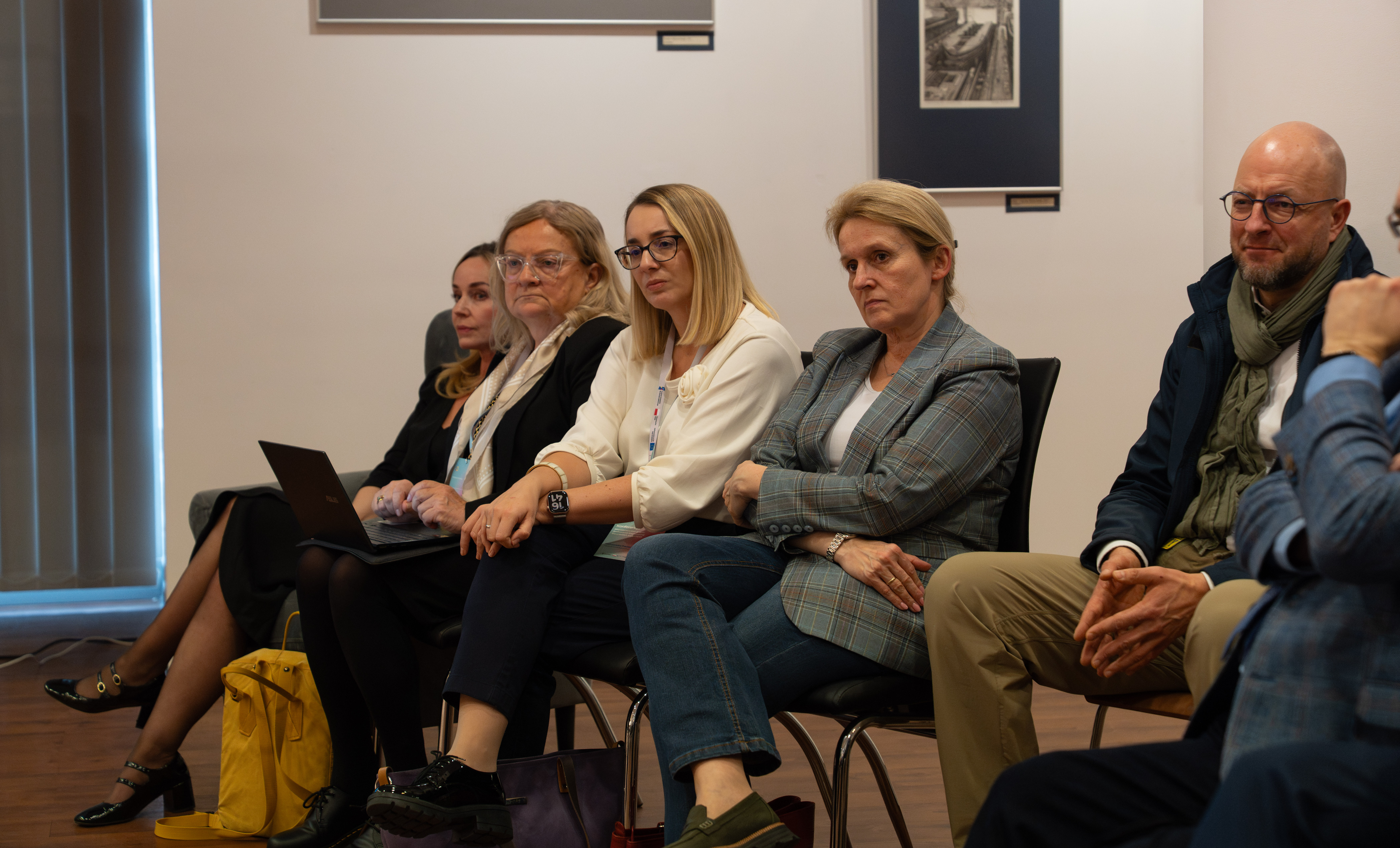
The University of Gdańsk was also represented at the meeting by the Vice-Rector for Student Affairs, dr hab. Urszula Patocka-Sigłowy, prof. UG, and the Director of the Cooperation and International Relations Office, Magdalena Sawicz. The meeting was attended by representatives of the rectors affiliated with the Council of Rectors of the Pomeranian Province, responsible for internationalisation matters at their respective universities. Representatives of the National Doctoral Students’ Council and the Polish Students’ Parliament were also present.
The team responsible for drafting the National Strategy for the Internationalisation of Polish Higher Education and Science was led by NAWA Director dr Wojciech Karczewski, who presented the results of the work carried out so far during the meeting.
‘The Strategy for the Internationalisation of Polish Science and Higher Education until 2035 is in the final phase of stakeholder consultation,’ said dr Wojciech Karczewski in an interview with CPC. ‘One of the key points we wish to propose is the establishment of an inter-ministerial team comprising representatives from various ministries and funding agencies. This team will be tasked with identifying priorities: which countries Poland would like to establish strategic cooperation with, and which sectors of our economy require workers from abroad, as internationalisation makes sense primarily when it responds first and foremost to the needs of the economy and the labour market.’
The vision of the Strategy presented is not its final version: following regional consultations and the incorporation of any amendments, the document will then be consulted by CRASP (the Conference of Rectors of Academic Schools in Poland) and only after this stage is completed will it be submitted to the Ministry.
‘Through successive iterations, we arrive at the best possible version,’ summarised prof. Andrzej Szeptycki, Undersecretary of State at the Ministry of Science and Higher Education, who is responsible for international cooperation.
The authors and initiators of the Strategy are keen to ensure that it is developed taking into account the views of all participants in Polish academic and scientific life, because, as Minister Andrzej Szeptycki emphasised: ‘It is you who are not only the main recipients but also, to a large extent, the implementers of this strategy. Some of the activities will, of course, take place at ministerial level, but others will be implemented at the level of individual universities.’
As emphasised, the Strategy will not be regulatory in nature, but will provide guidance, recommendations, and practical tools to support the internationalisation of Polish science and higher education institutions.