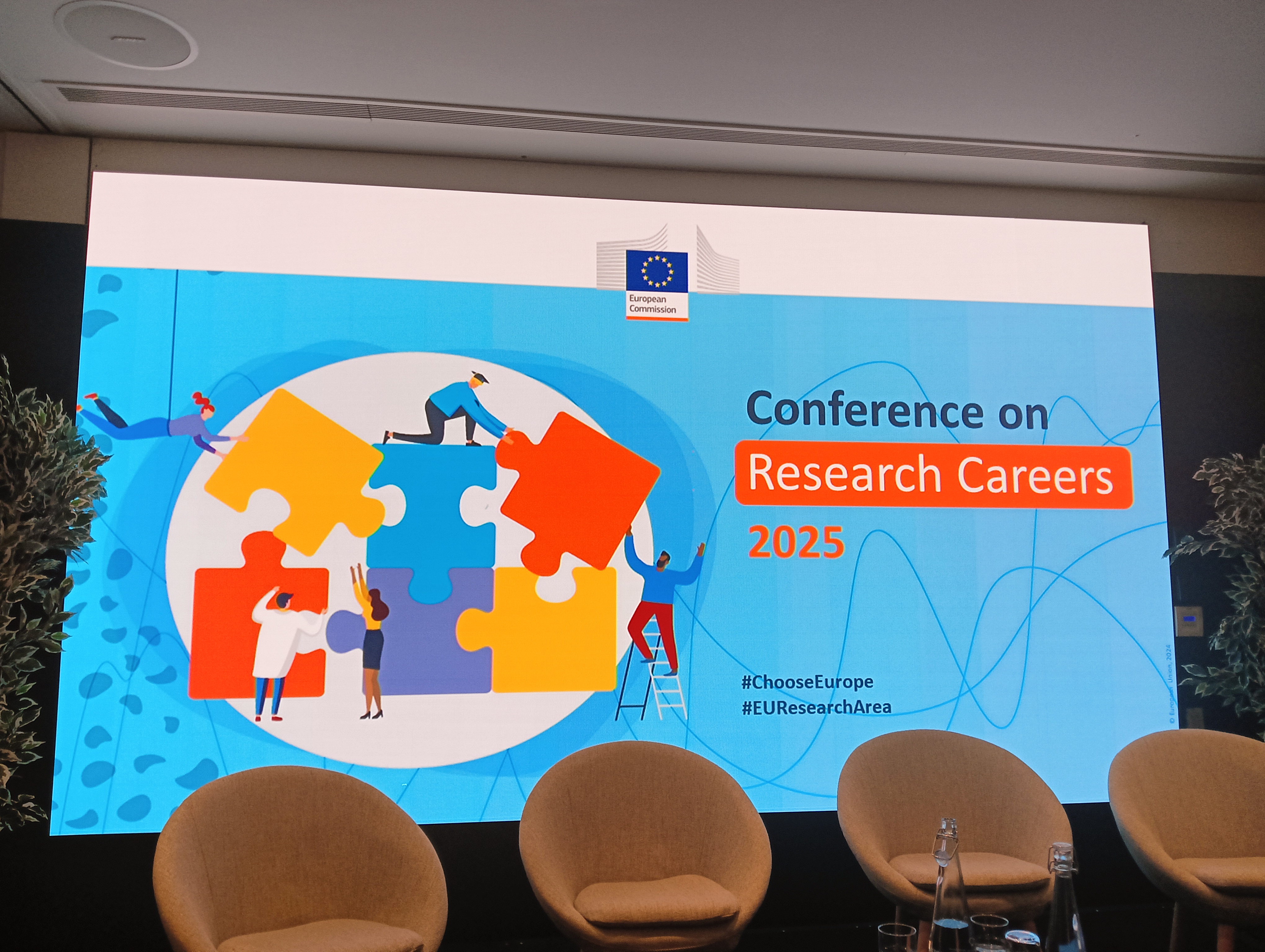
The University of Gdańsk is consistently developing its HR Excellence in Research (HRS4R) strategy as a key tool supporting the development of academic careers in the dynamically changing European Research Area. The update of the HRS4R strategy at the University of Gdańsk clearly links human resource management activities with the principles of the Coalition for Advancing Research Assessment (CoARA), responding to the latest European research policy trends. The importance of this approach was particularly emphasised during the Research Careers 2025 conference and the accompanying Conference on Freedom of Scientific Research, organised in Brussels as part of the Choose Europe for Science initiative.
The topics discussed at the conference focused on strengthening stable, attractive and sustainable research careers, protecting scientific freedom and creating an environment that allows Europe to effectively attract and retain talent.
‘The discussions during the conference clearly showed that the future of scientific research in Europe depends on a close link between HR policies and a new approach to the evaluation of research and the achievements of scientists. HRS4R and CoARA are now two mutually reinforcing pillars of academic career development,’ says dr Katarzyna Świerk, HRS4R Coordinator at the University of Gdańsk and Head of the RAR-UG project.
From HR strategy to responsible research evaluation
The HR Excellence in Research strategy at the University of Gdańsk has for years supported transparent recruitment, competence development, mobility and equal opportunities. Currently, these activities are further strengthened by the implementation of CoARA principles, which shift the emphasis from simple quantitative indicators to research quality, career diversity, collaboration, open science and social responsibility.
‘It is impossible to build attractive and stable academic careers without consistency between how we employ and support researchers and how we evaluate their work. That is why at UG we combine HRS4R with the research evaluation reform implemented as part of CoARA and the RAR-UG project,’ emphasises dr Katarzyna Świerk.
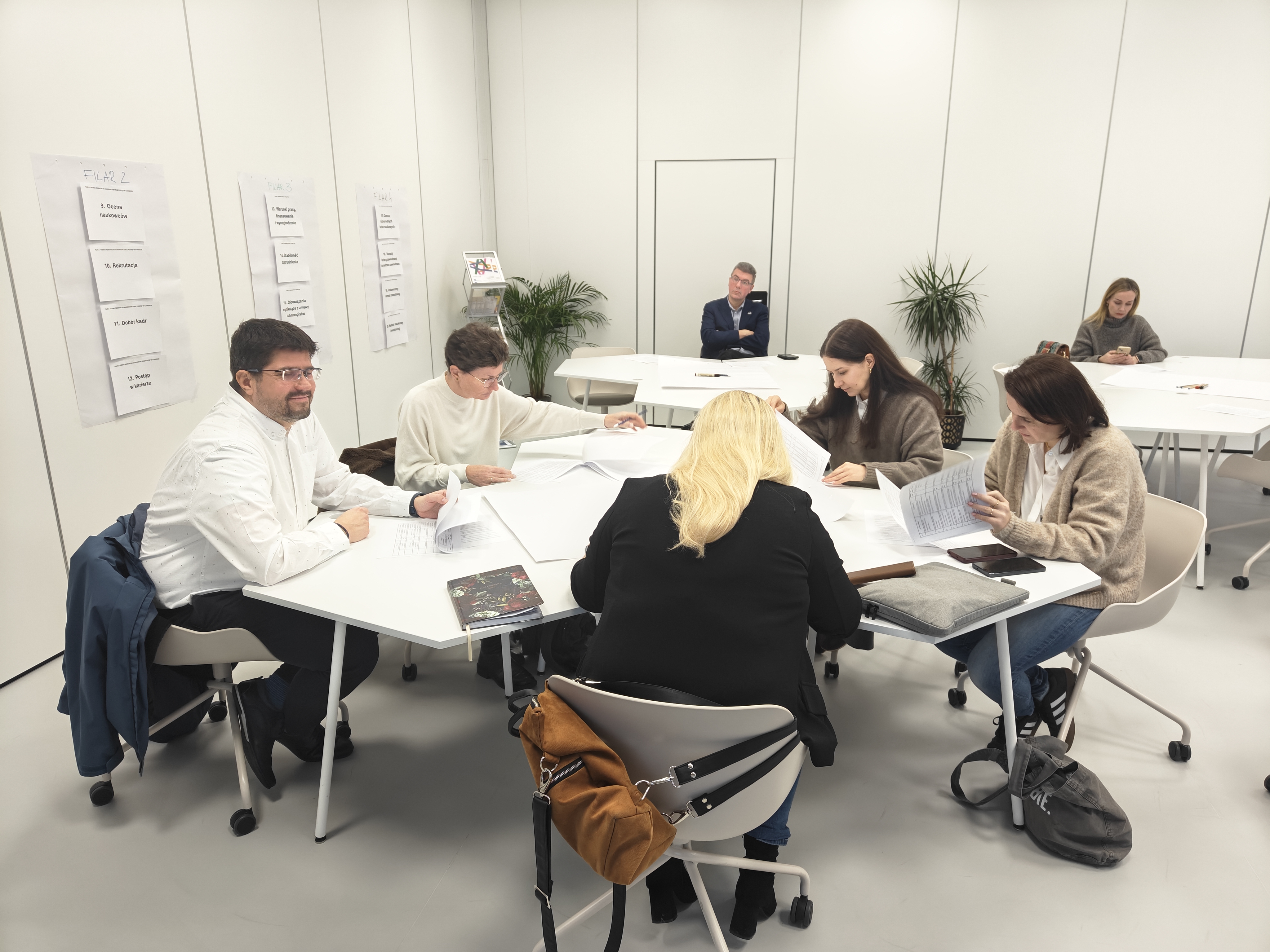
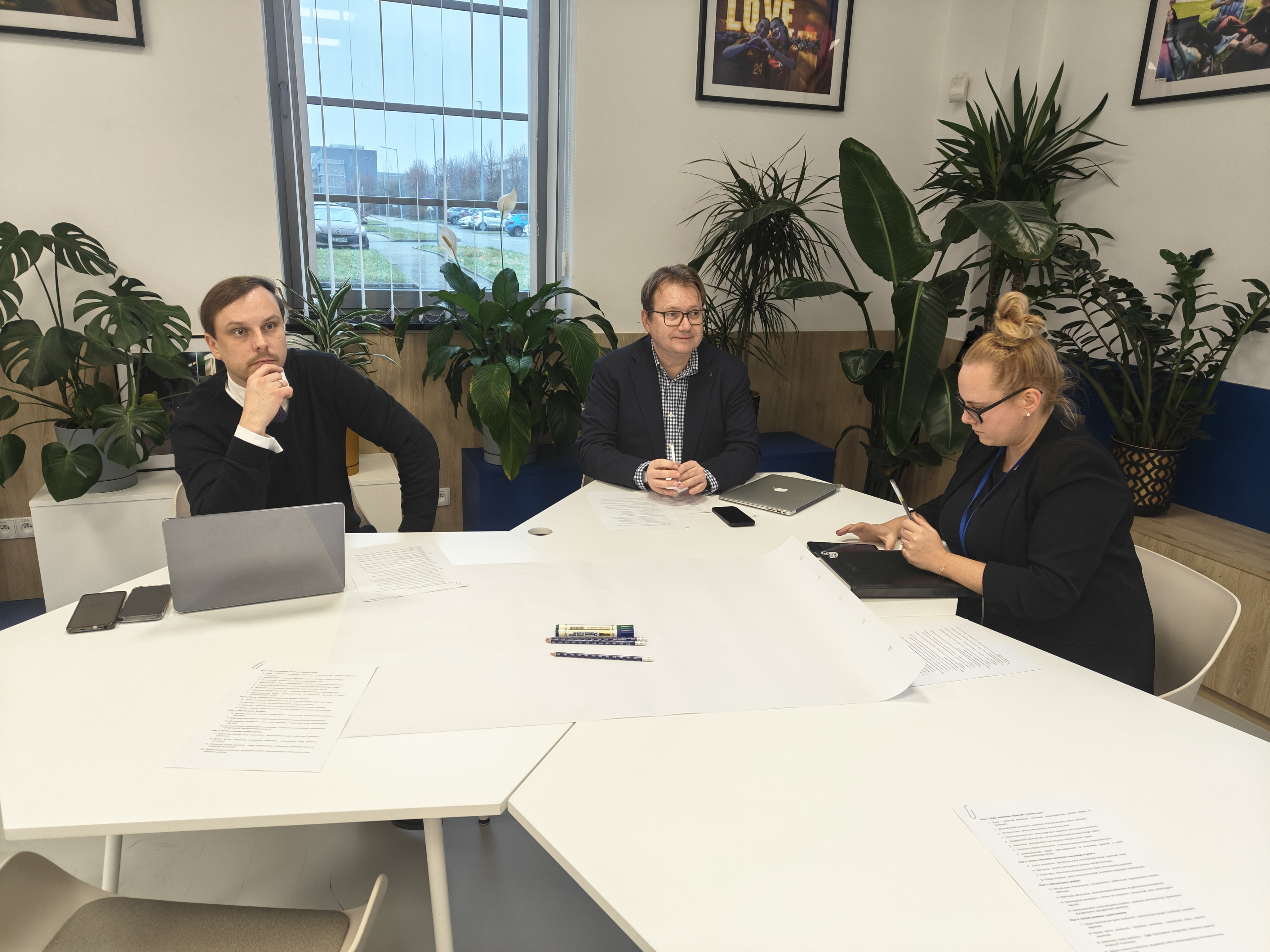
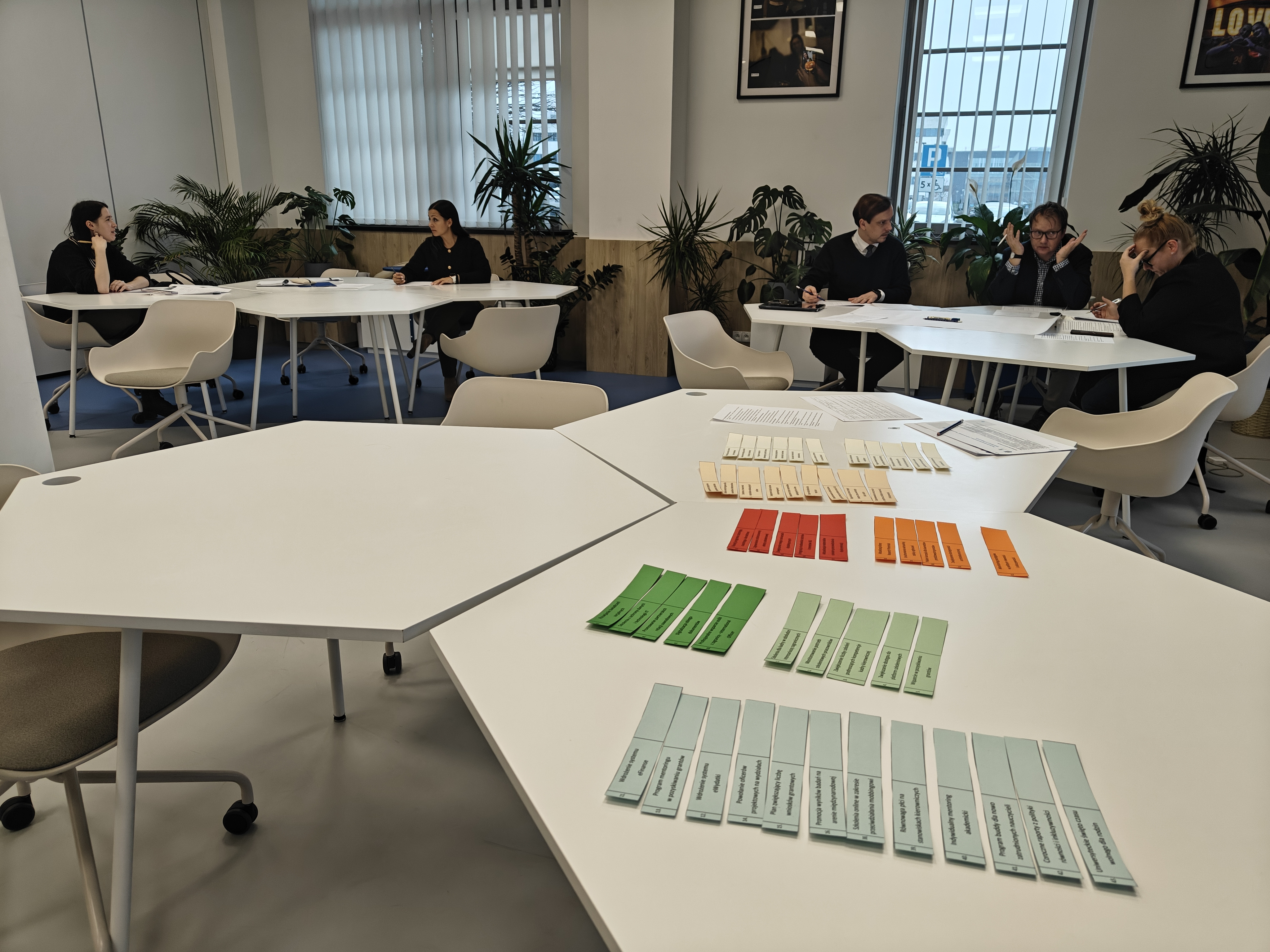
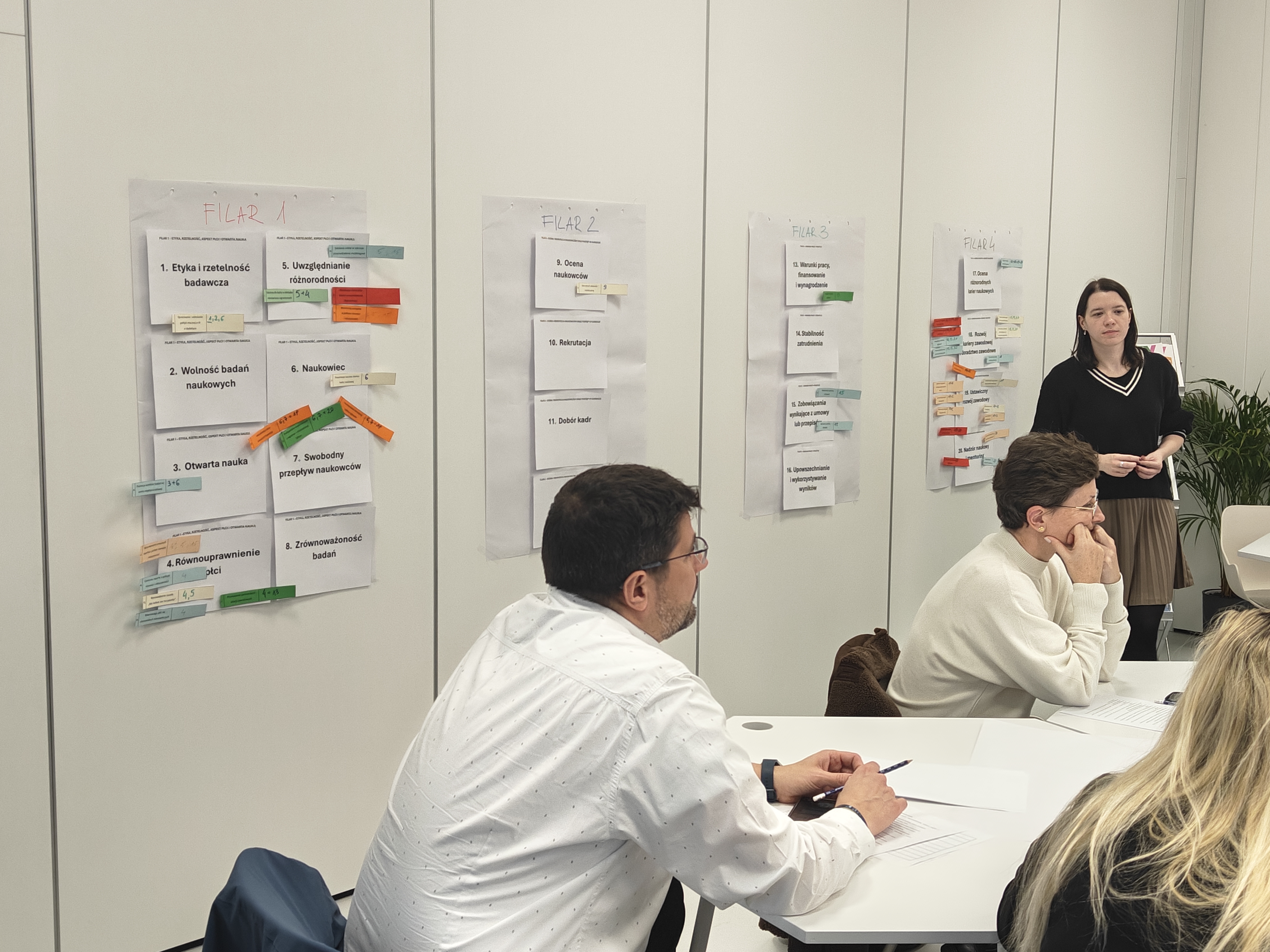
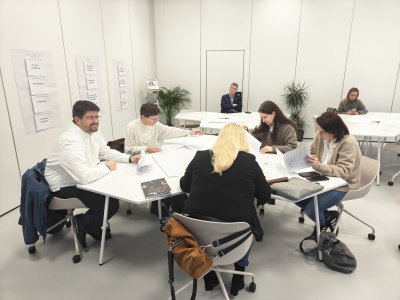
As part of the update of the HRS4R strategy, a working group was established, composed of representatives of the units responsible for implementing the tasks in the UG Strategy. During participatory workshops, participants jointly mapped existing UG activities to the 20 principles of the new European Charter for Researchers. This approach allowed us not only to map areas that are already well developed, but also to identify gaps and indicate additional activities that should be included in the updated strategy. ‘Working with the people who are actually responsible for implementing the strategy allowed us to see very clearly where we are today and what actions are needed to ensure that HRS4R fully complies with the new European principles,’ points out the HRS4R Coordinator.