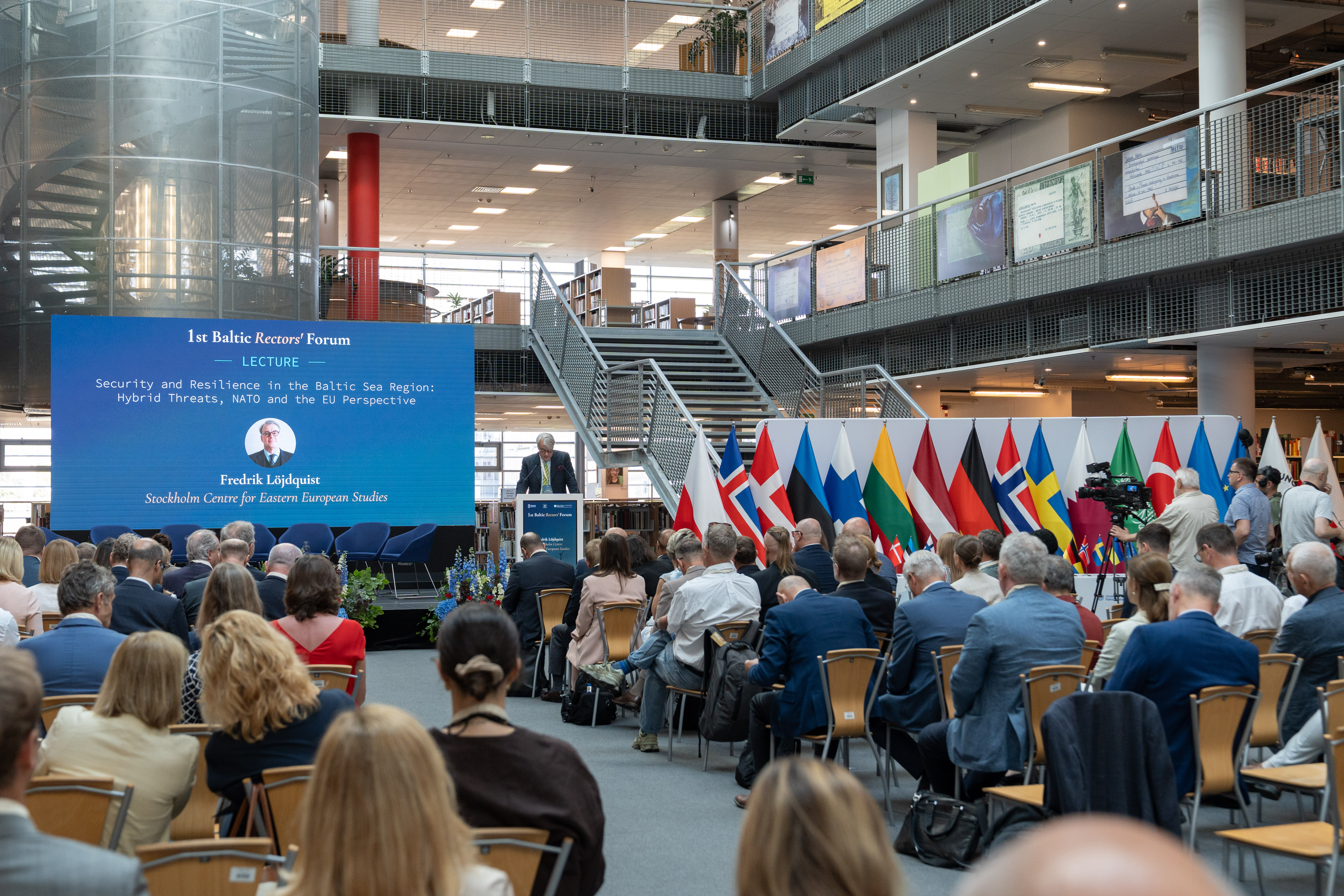
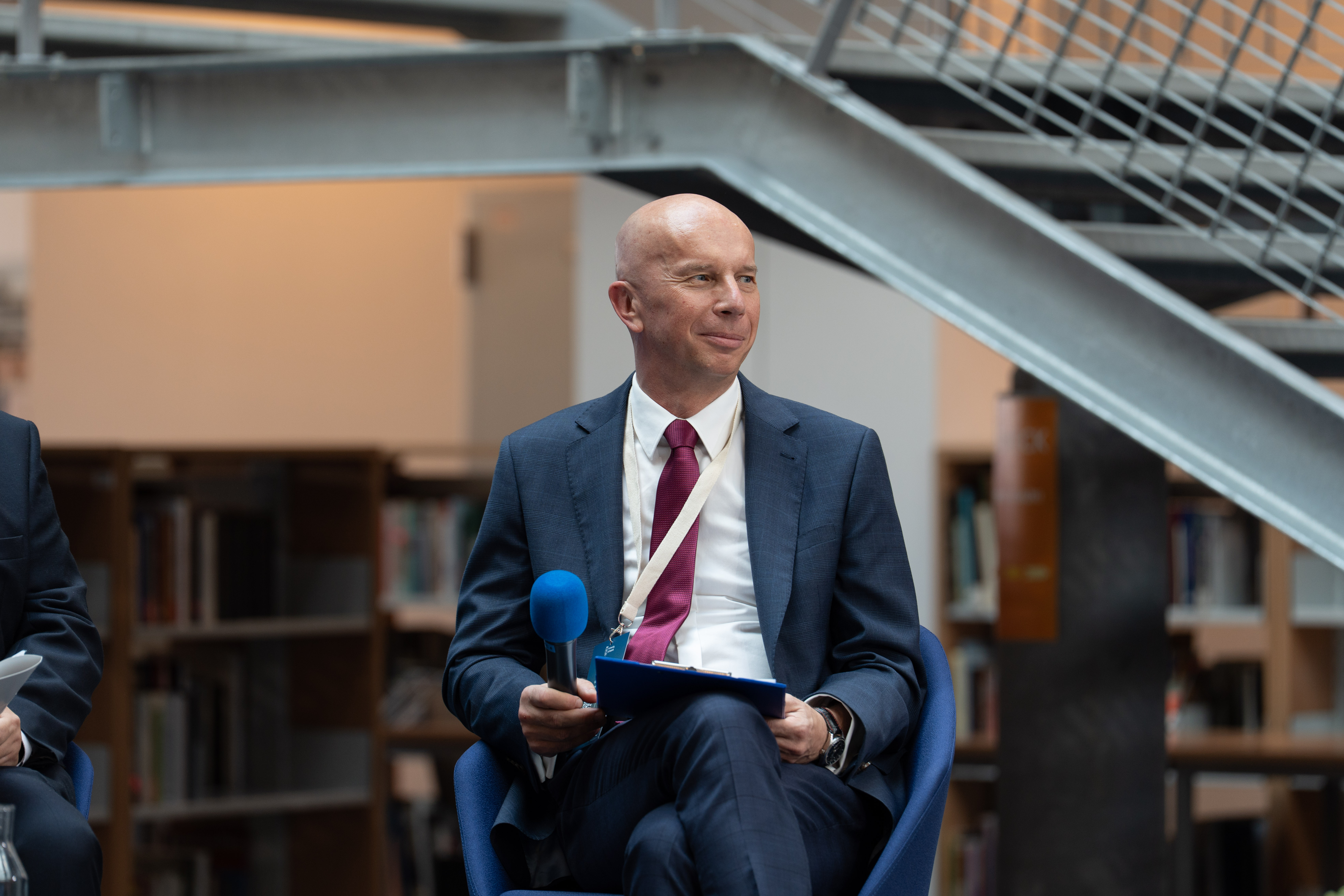
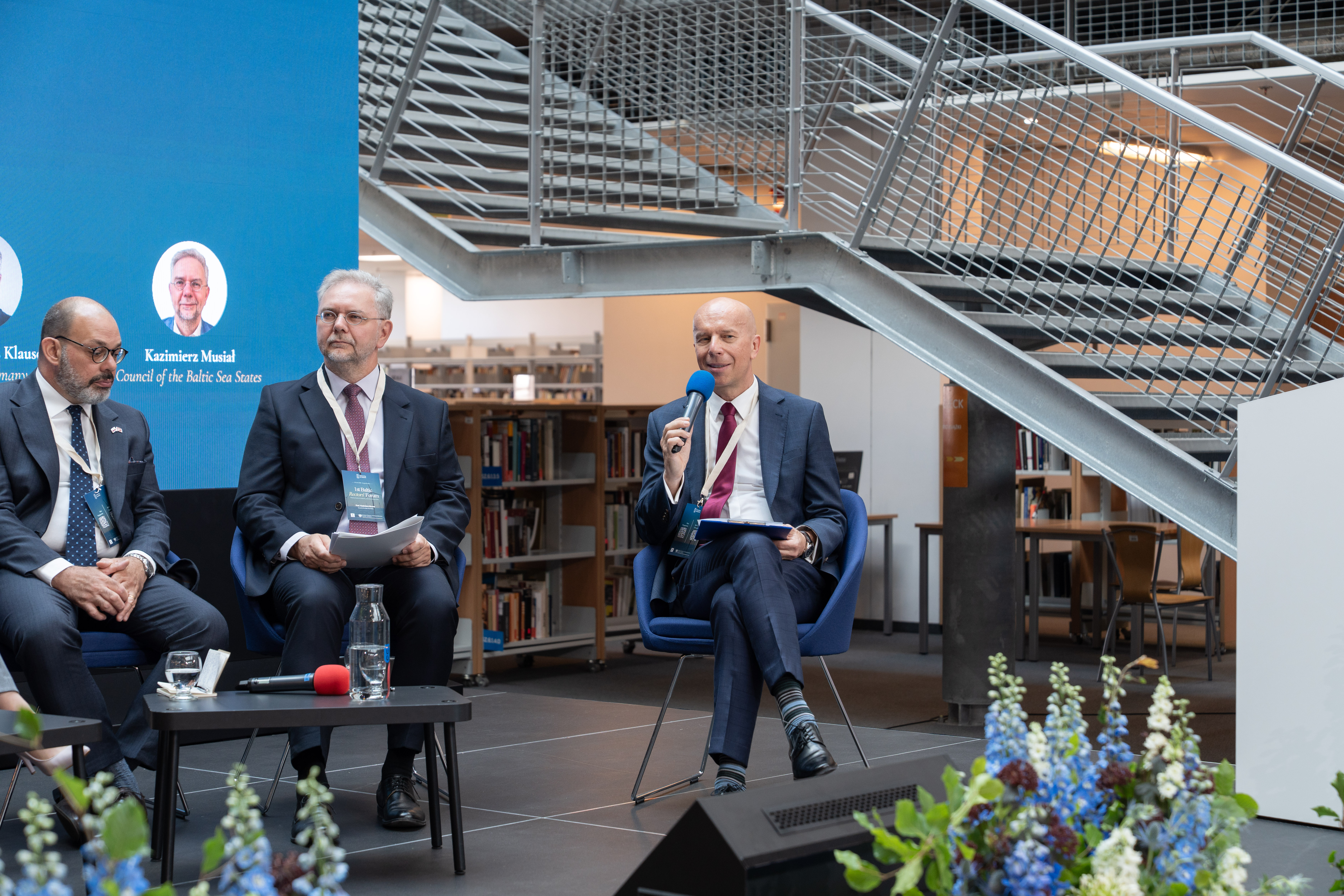
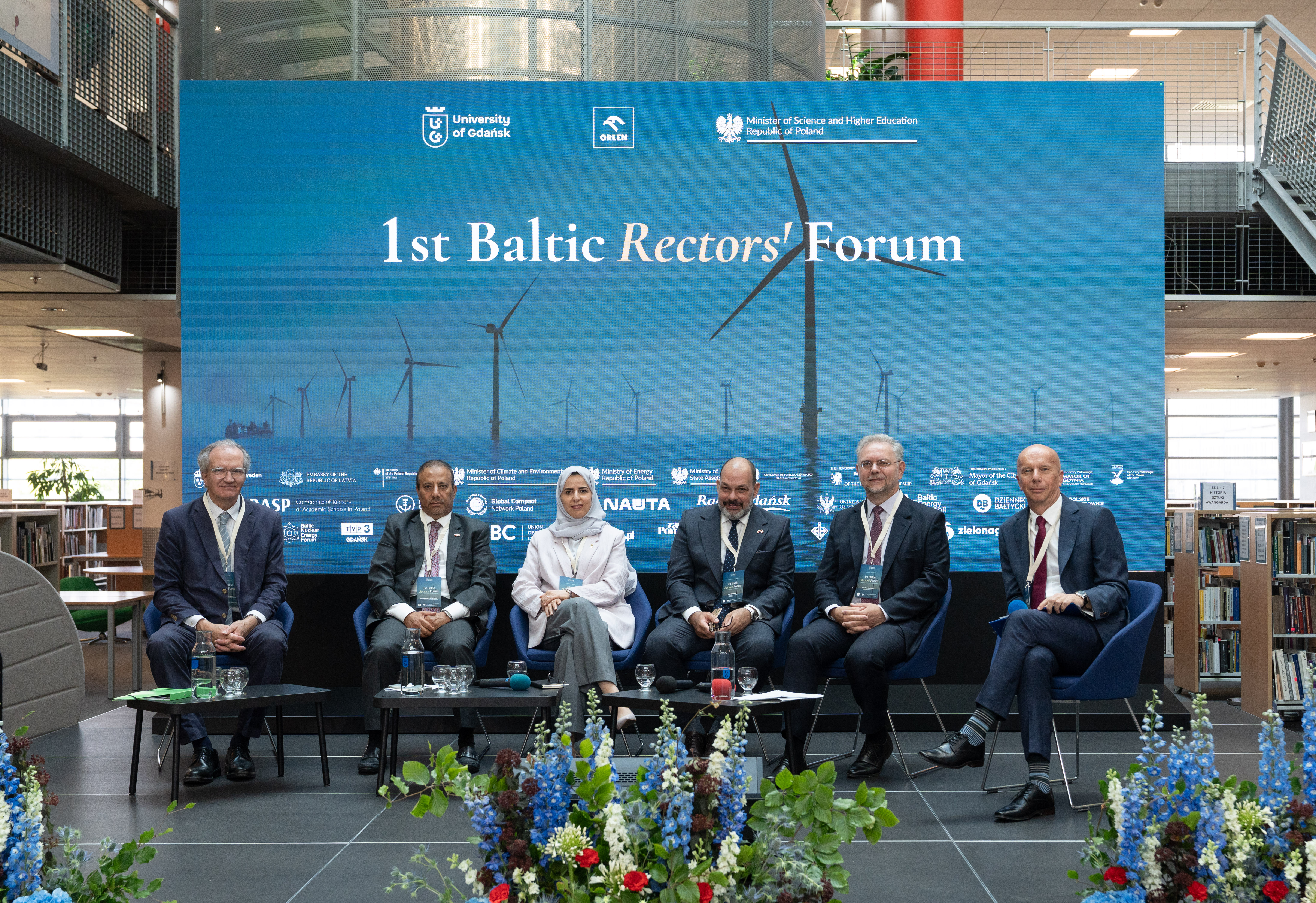
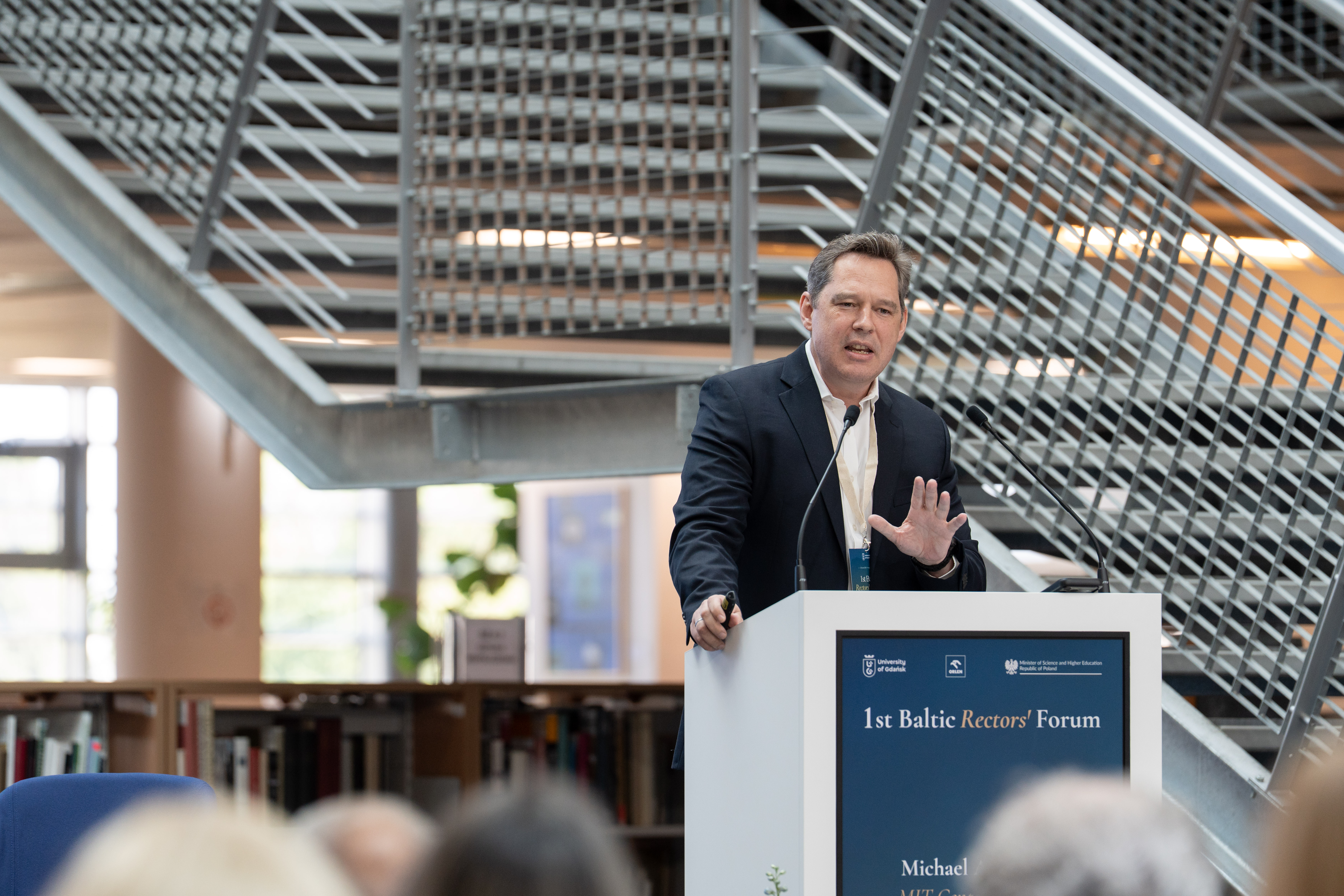
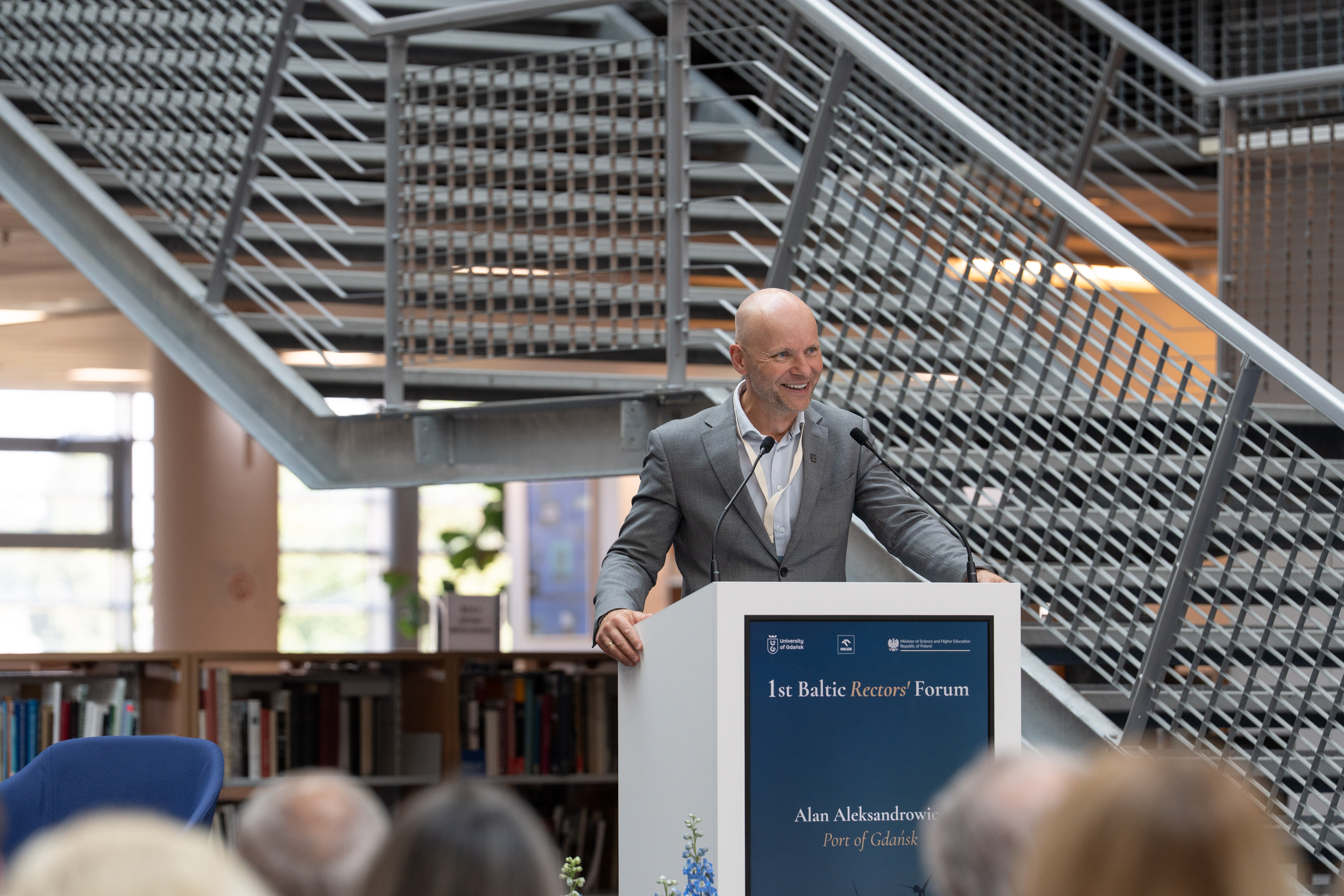
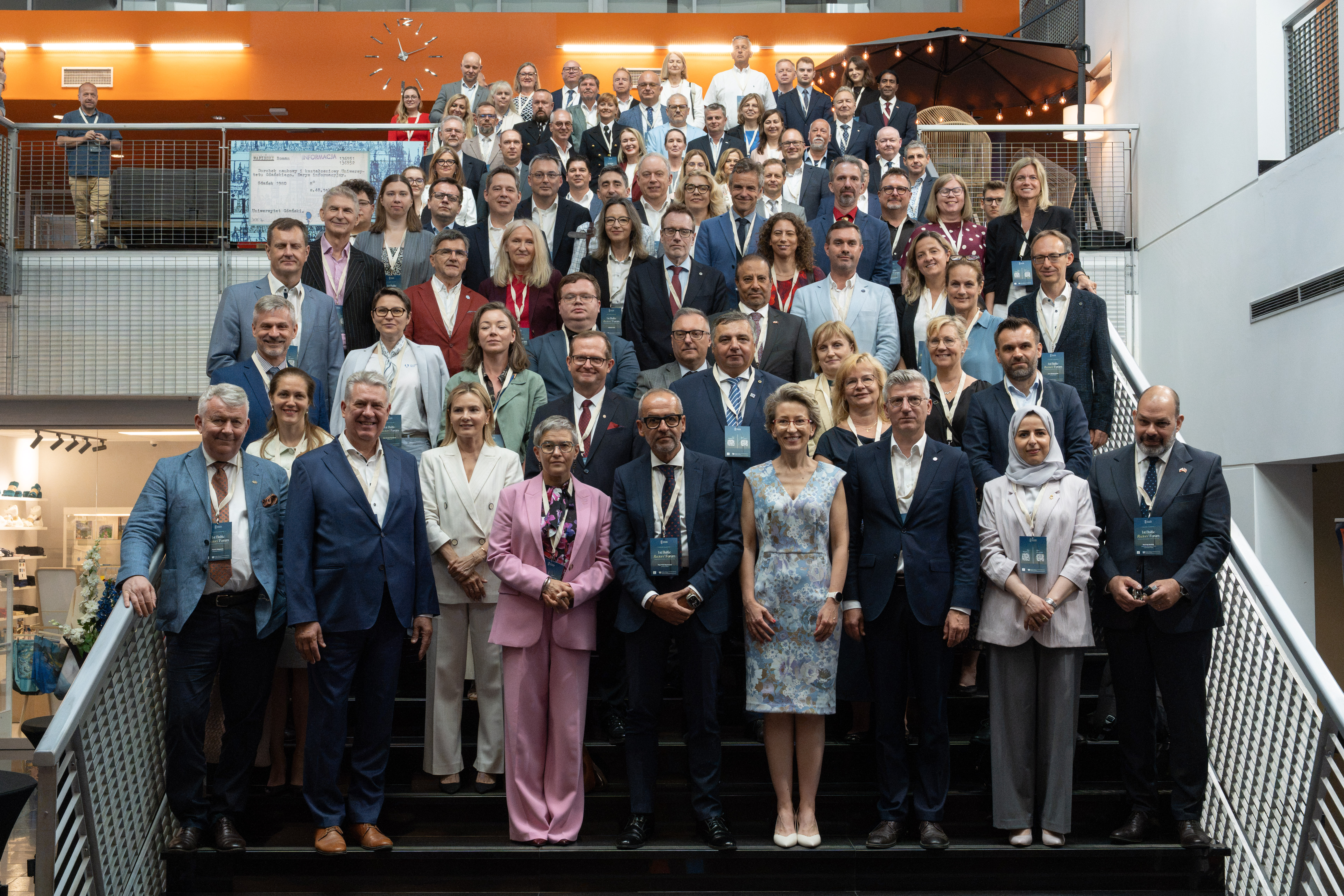
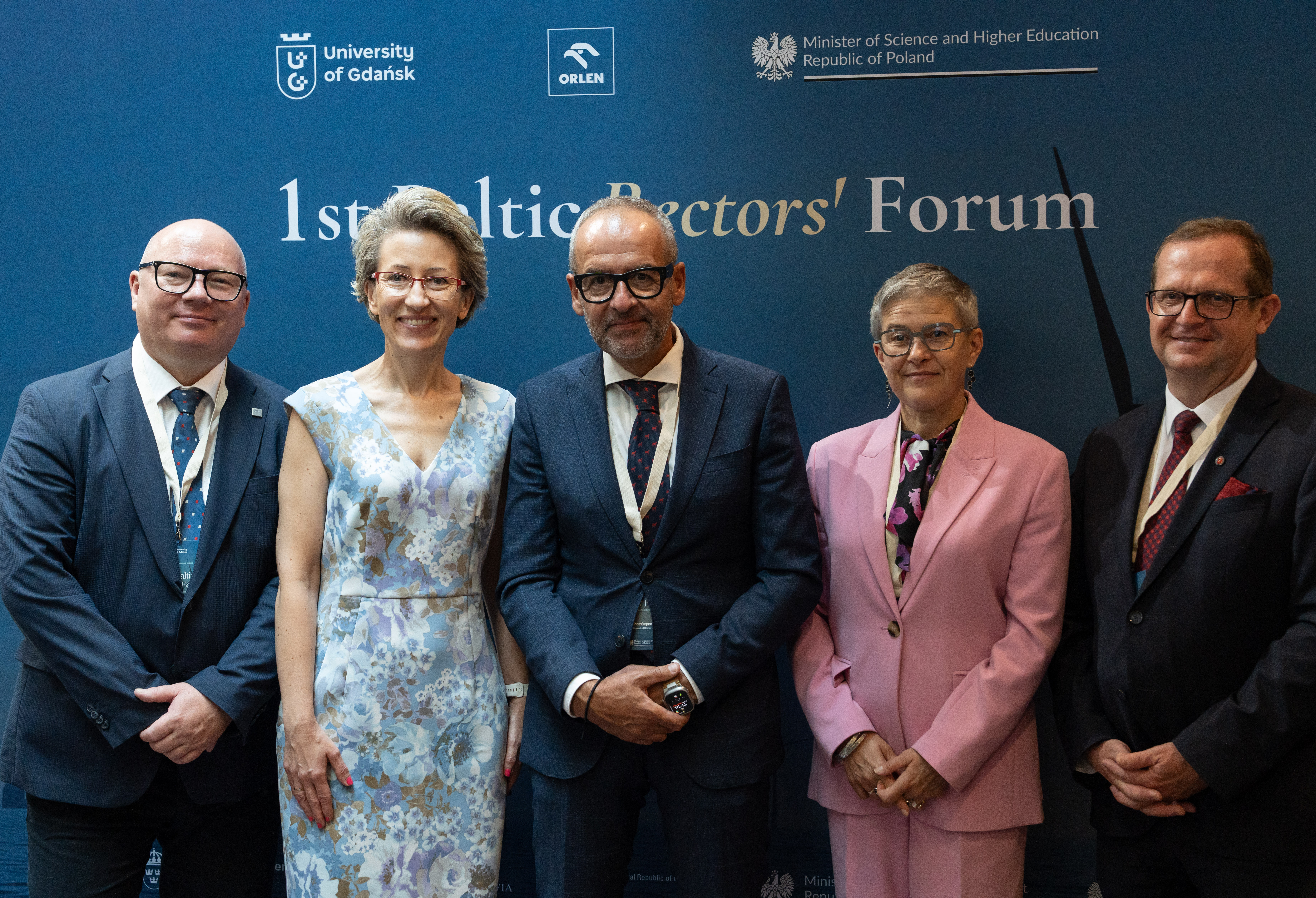
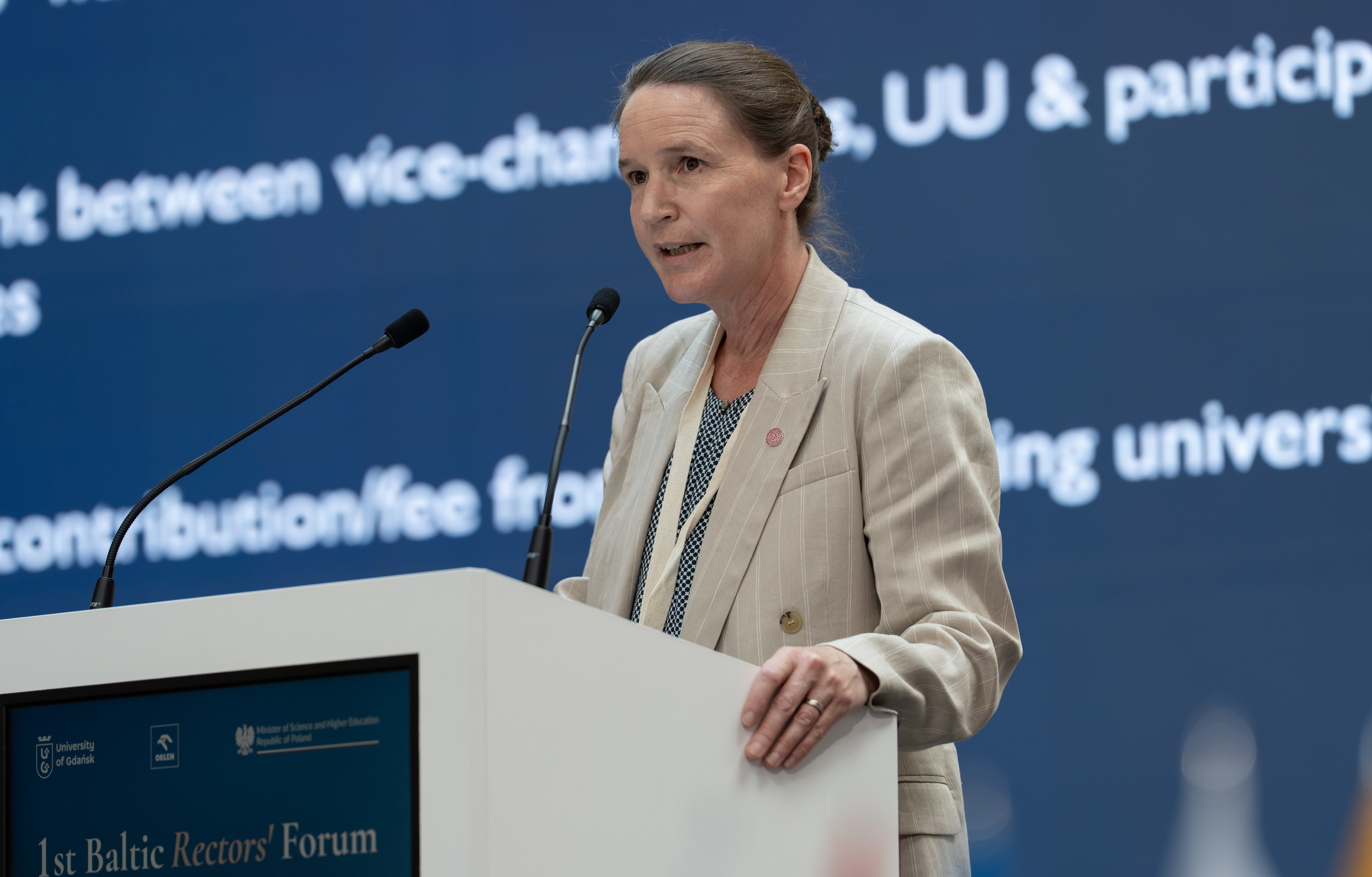
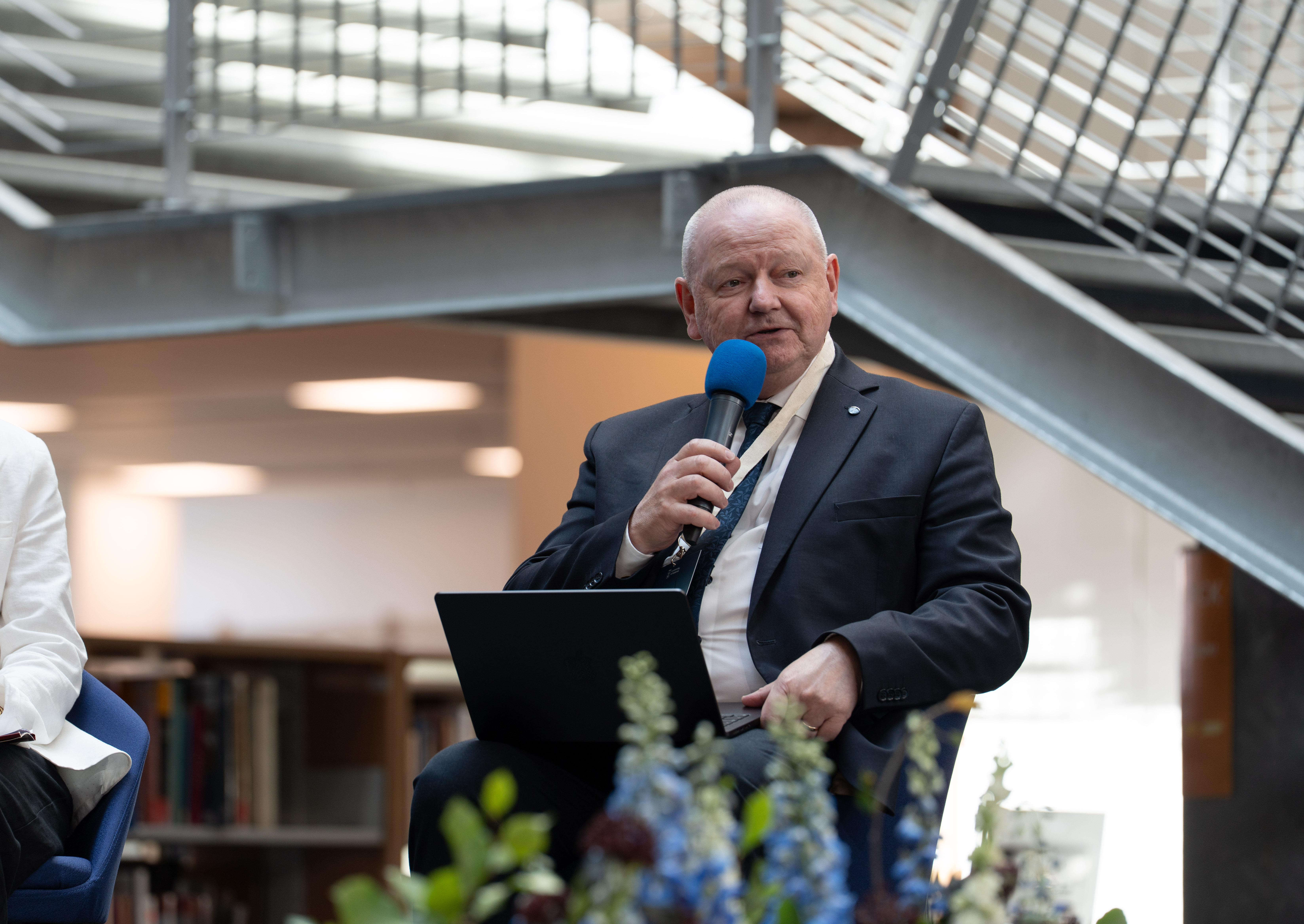
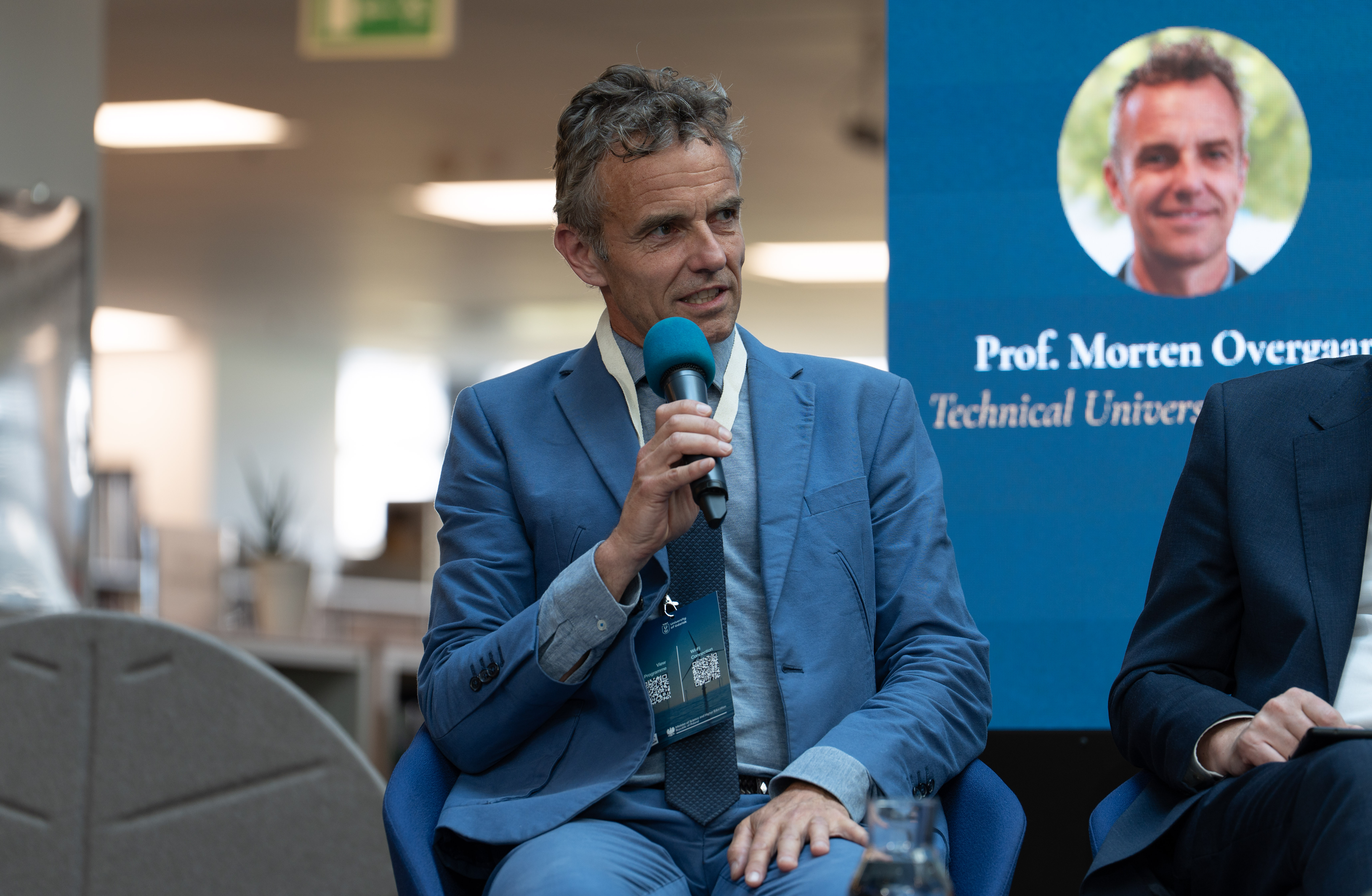
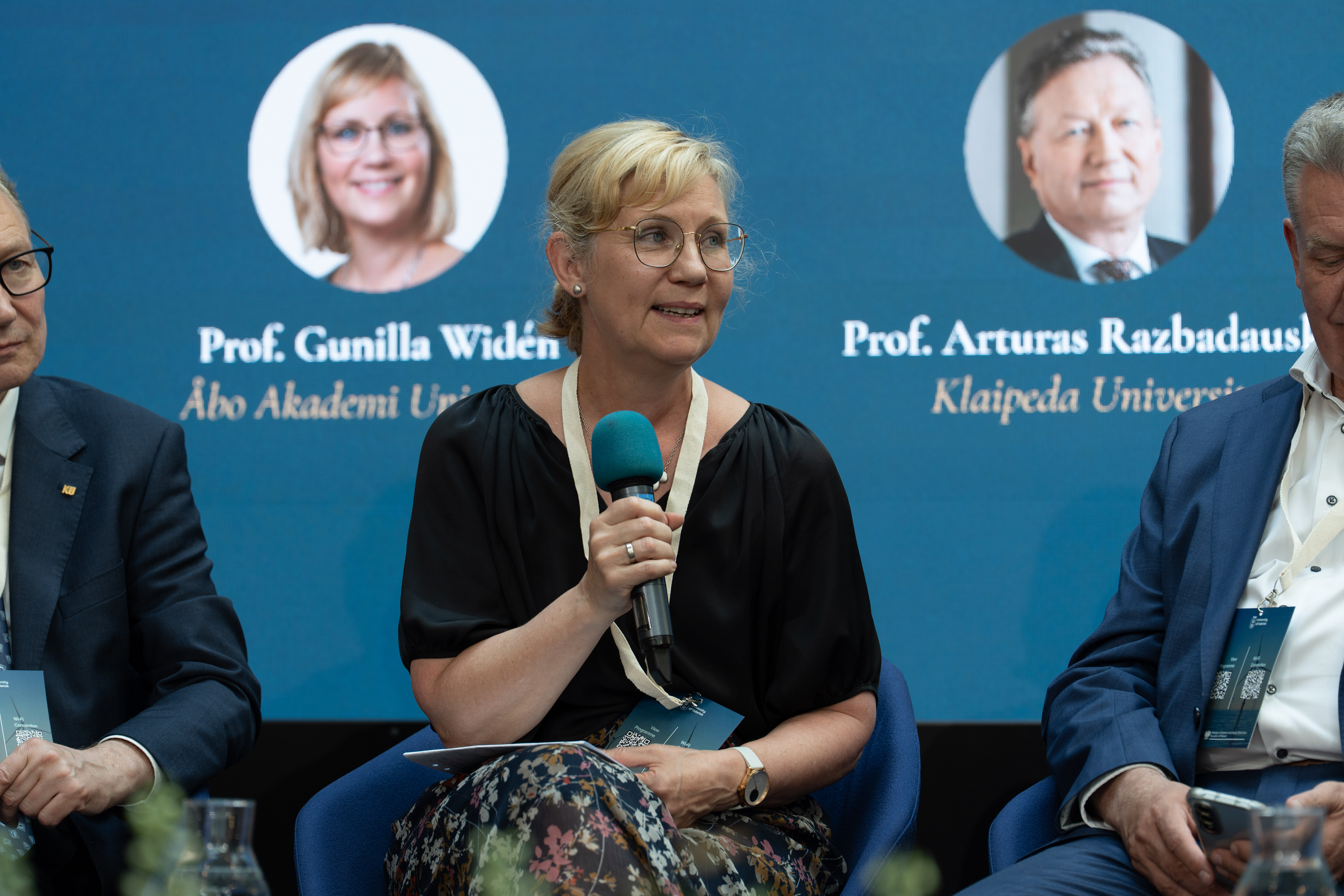
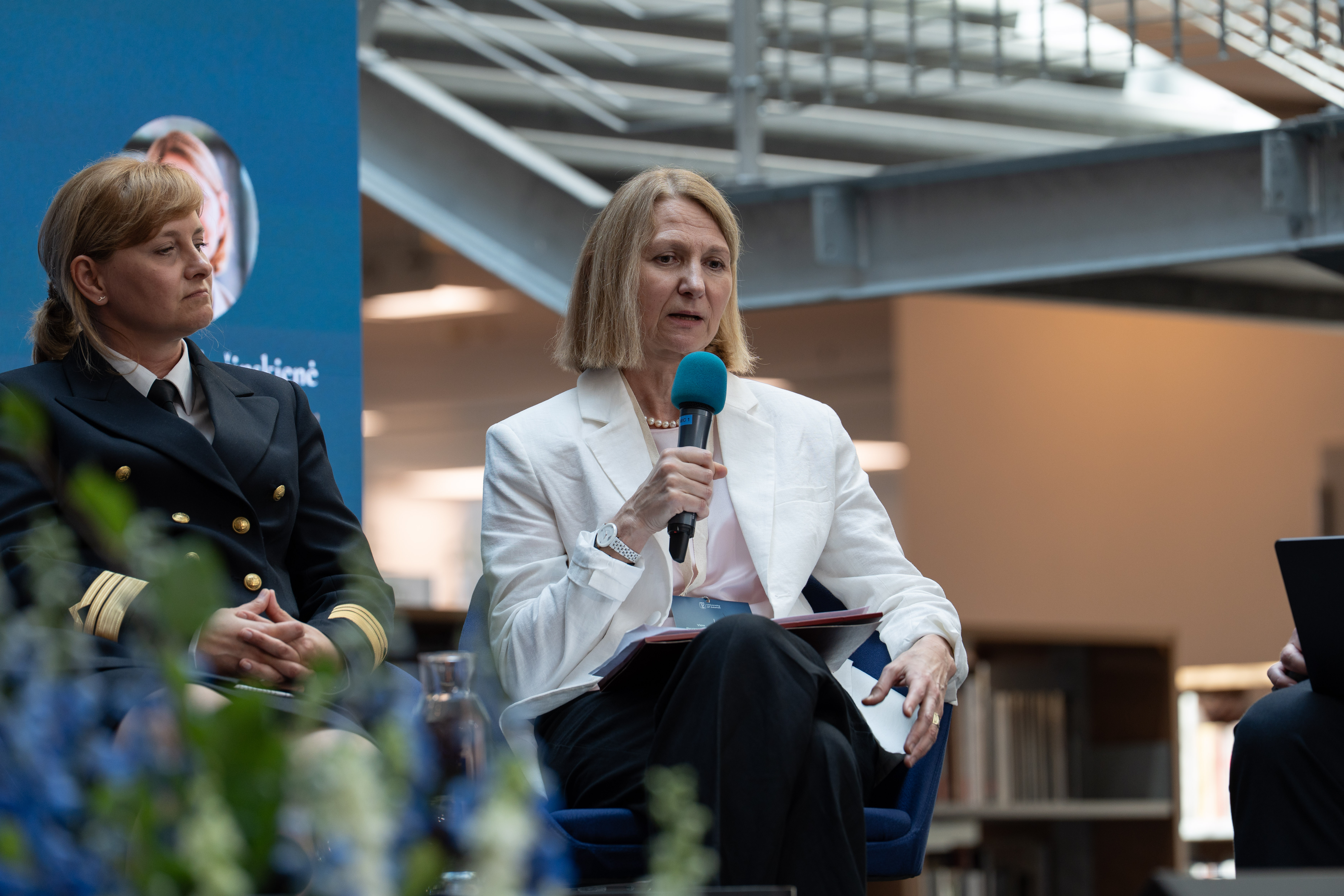
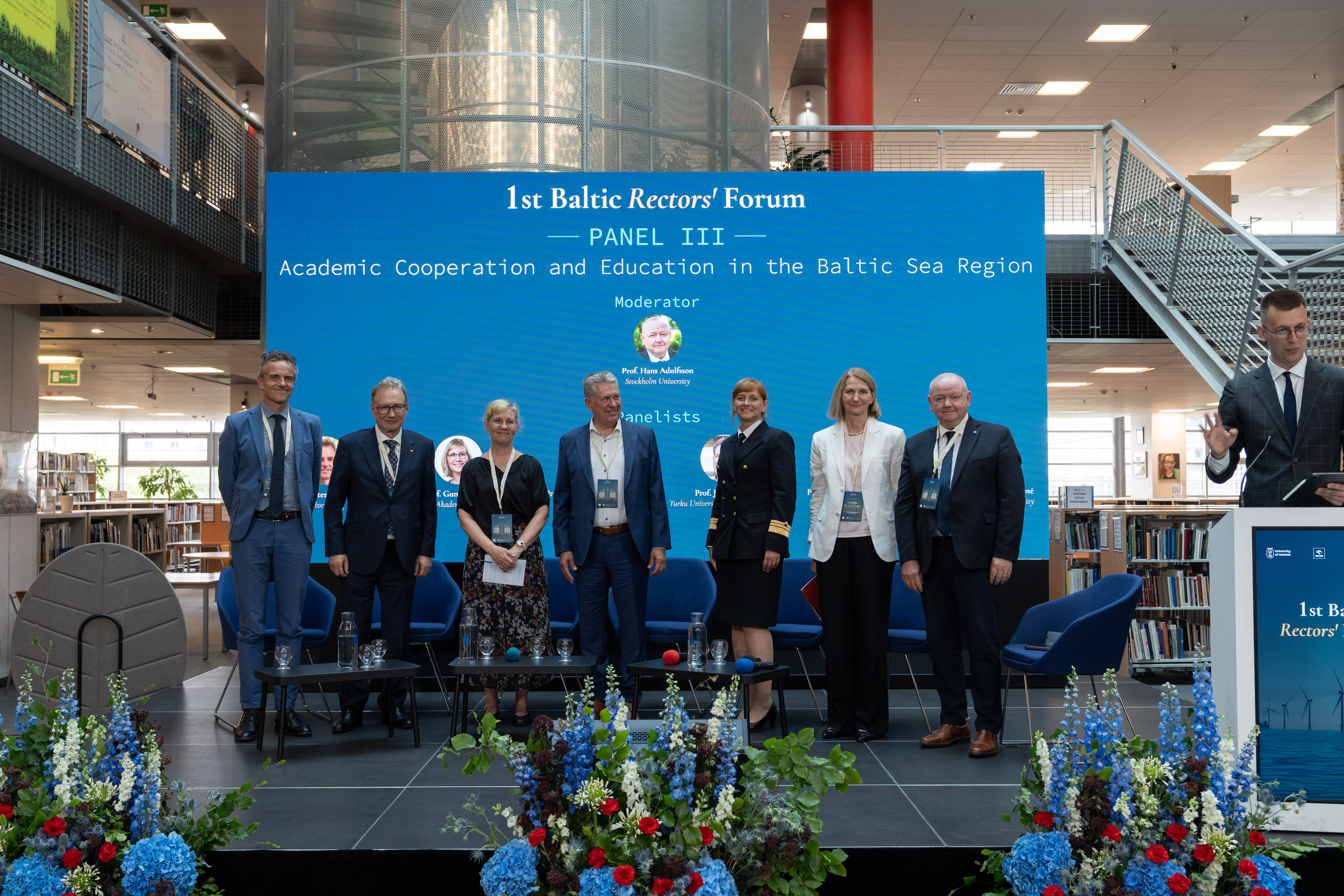
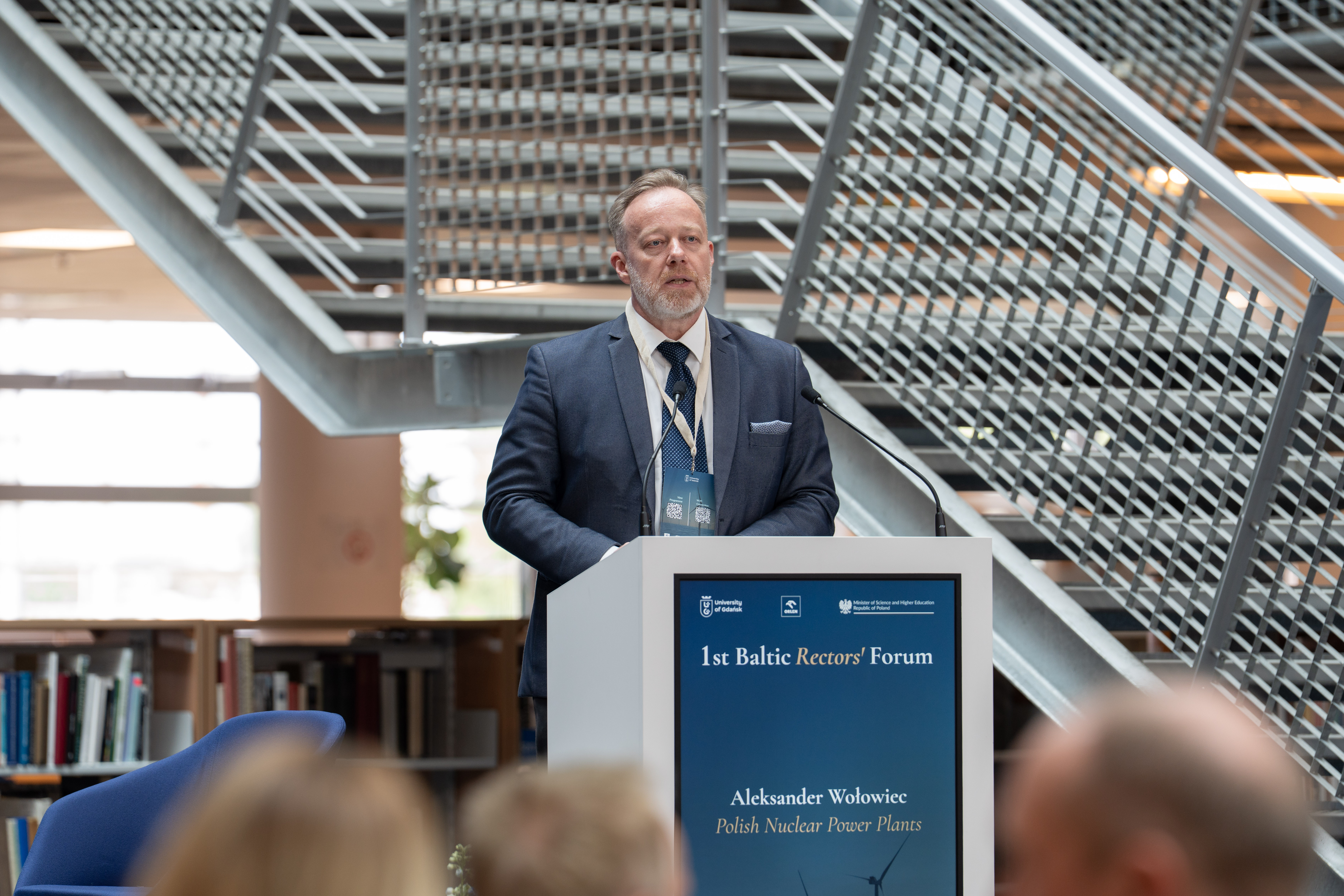
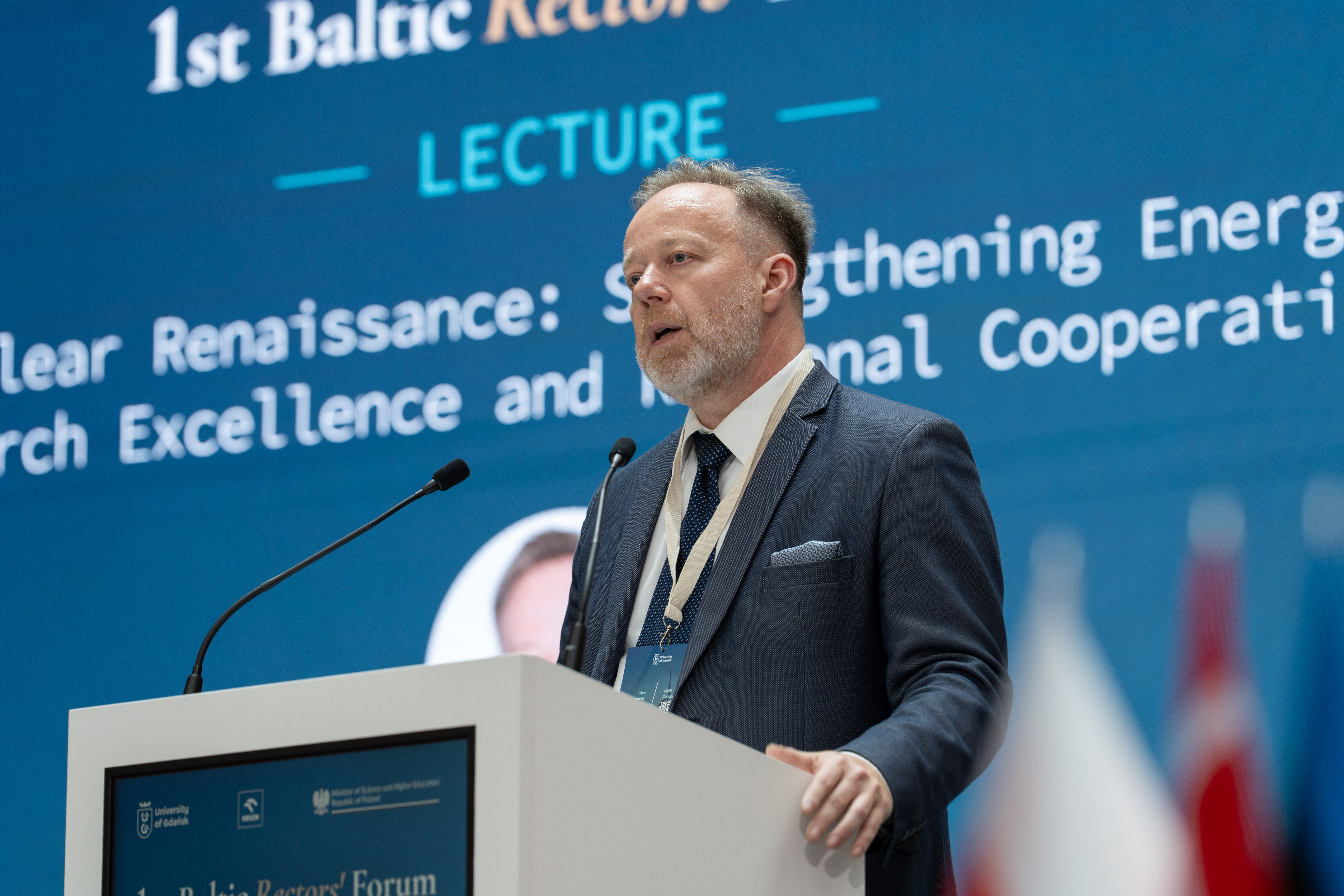
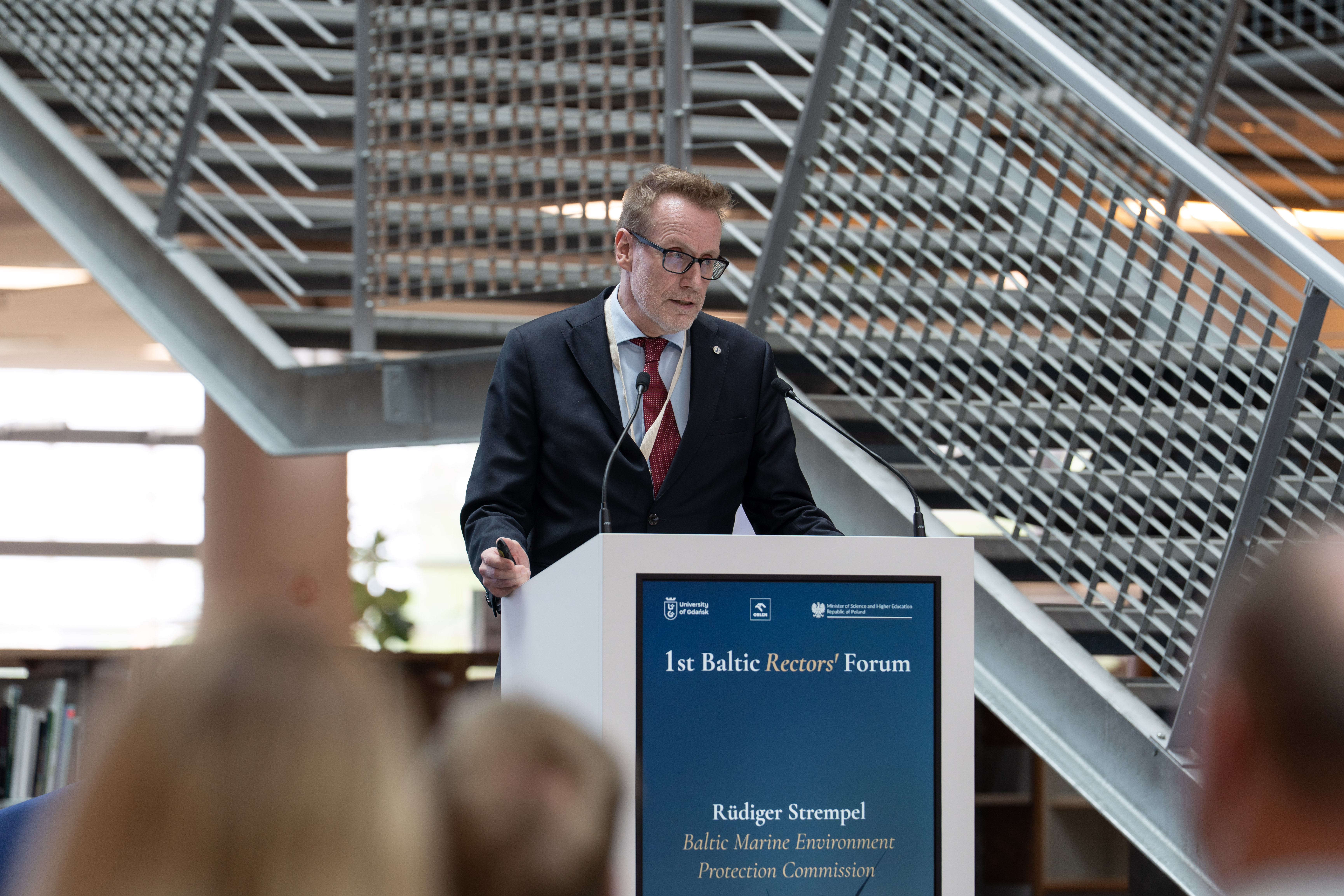
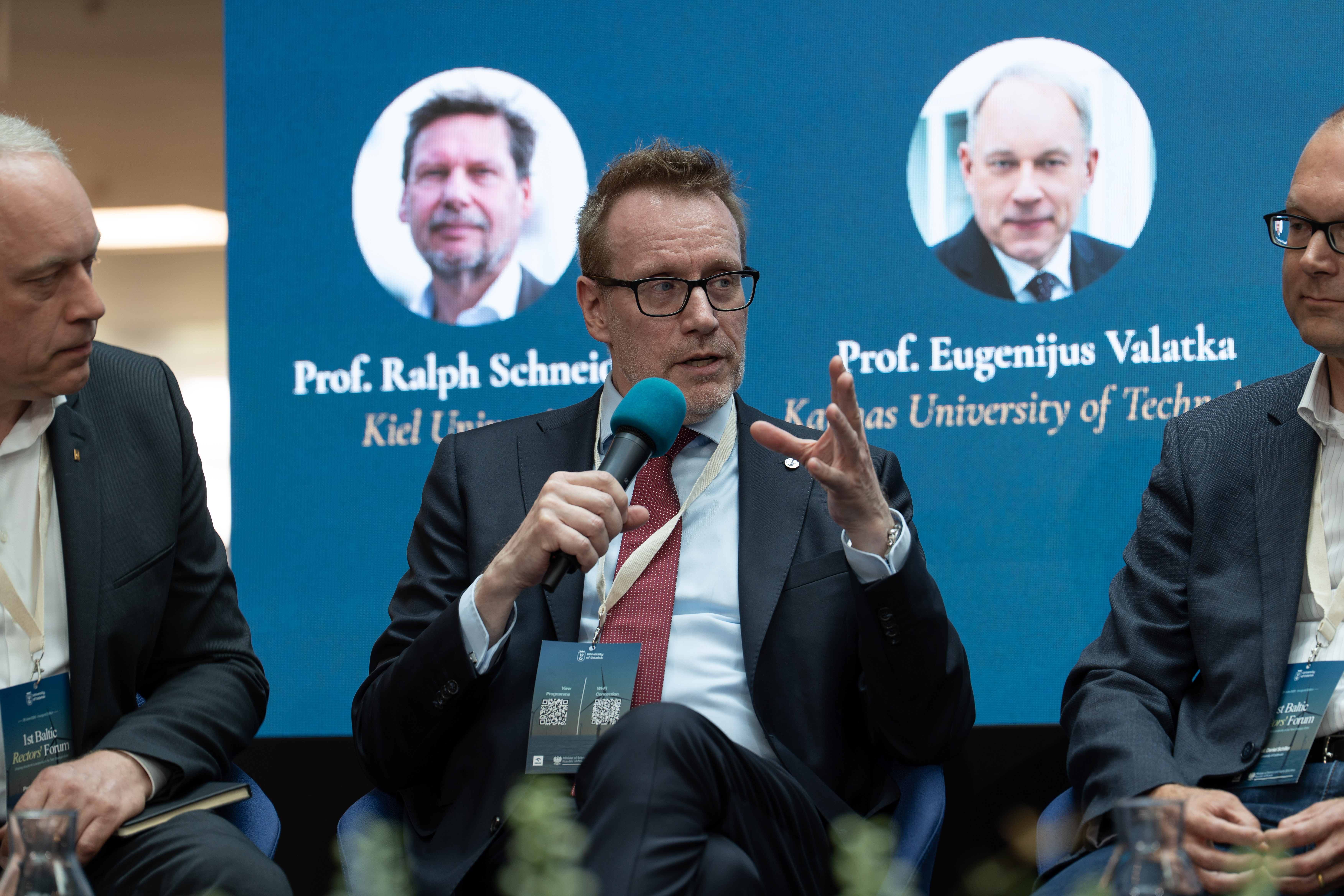
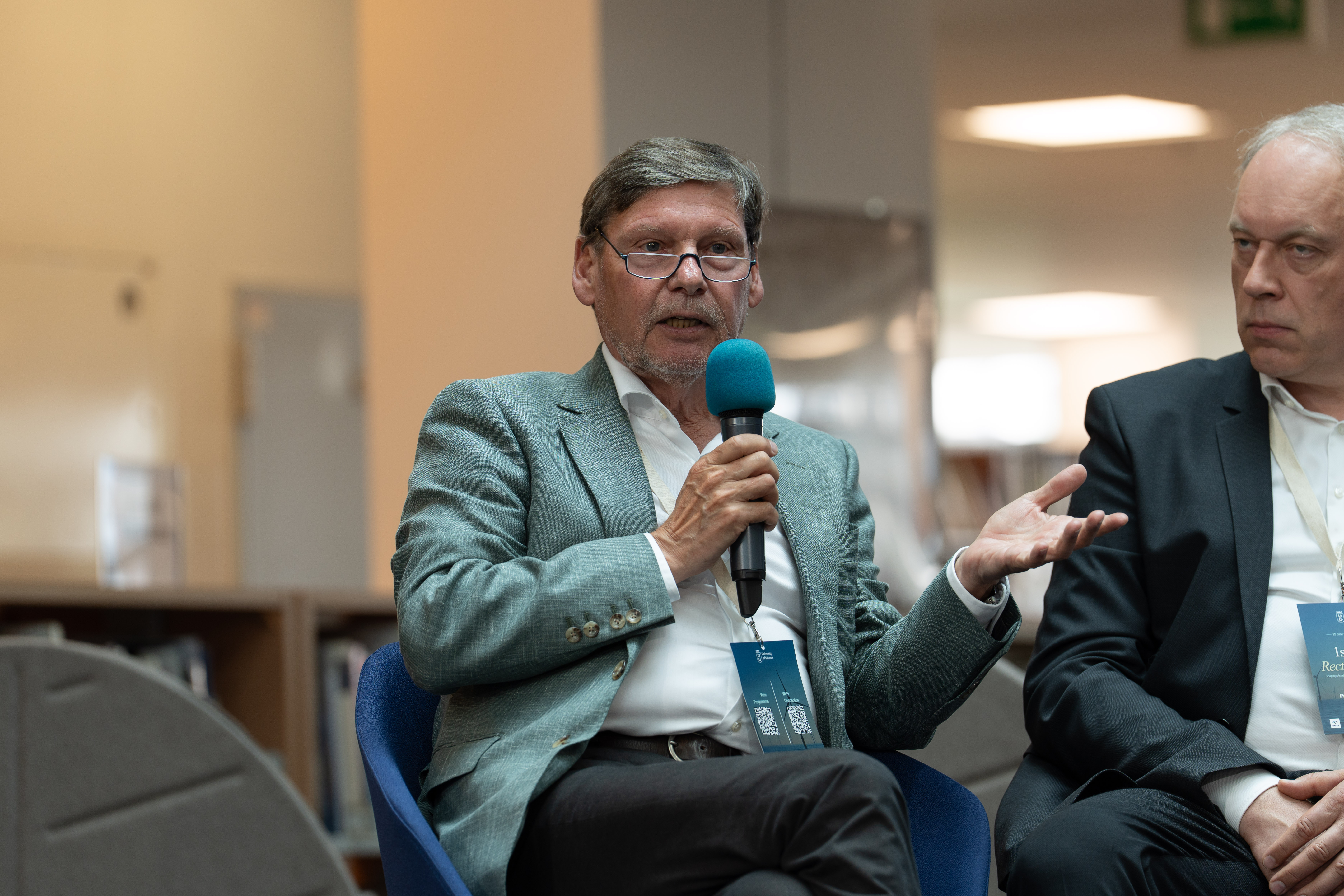
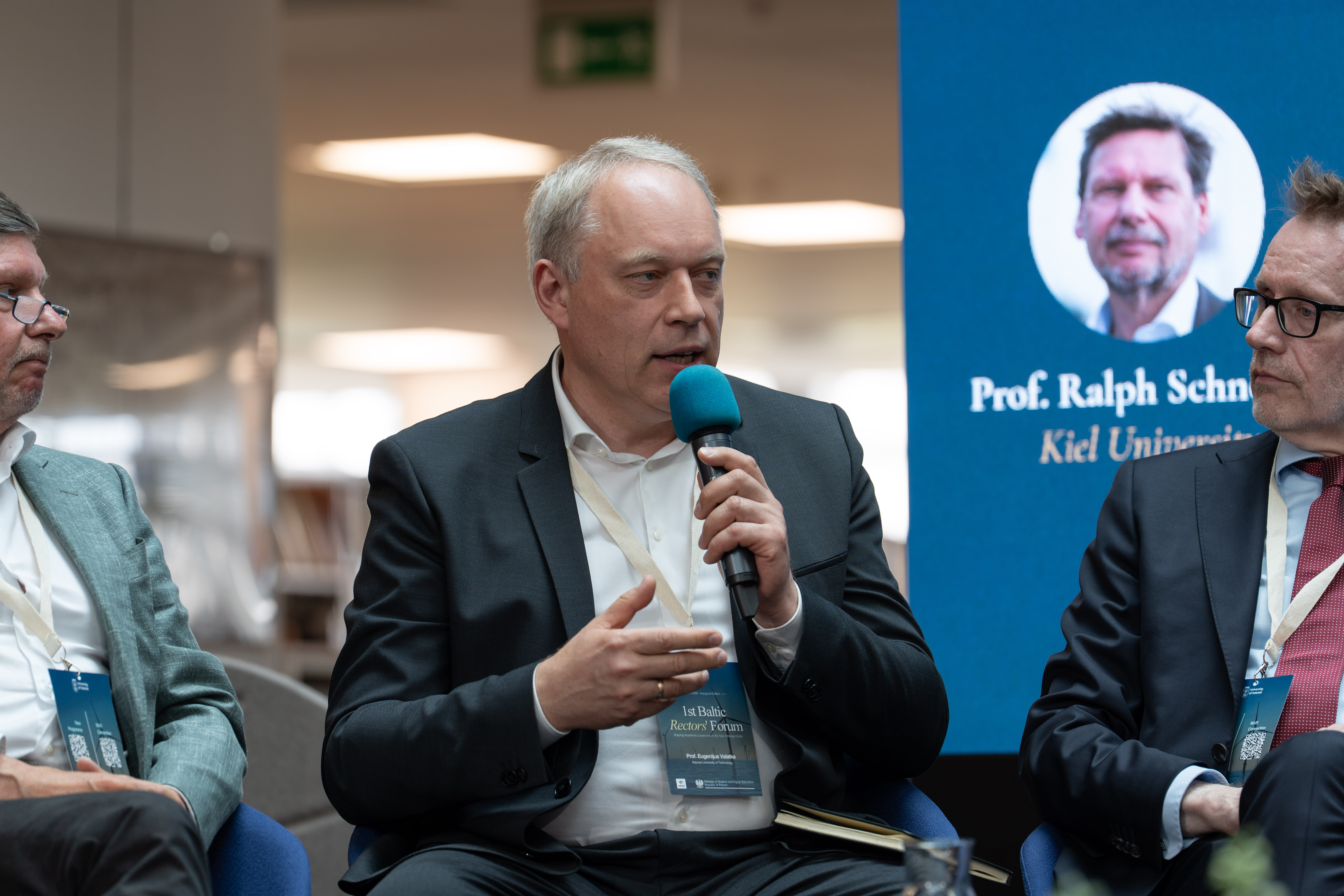
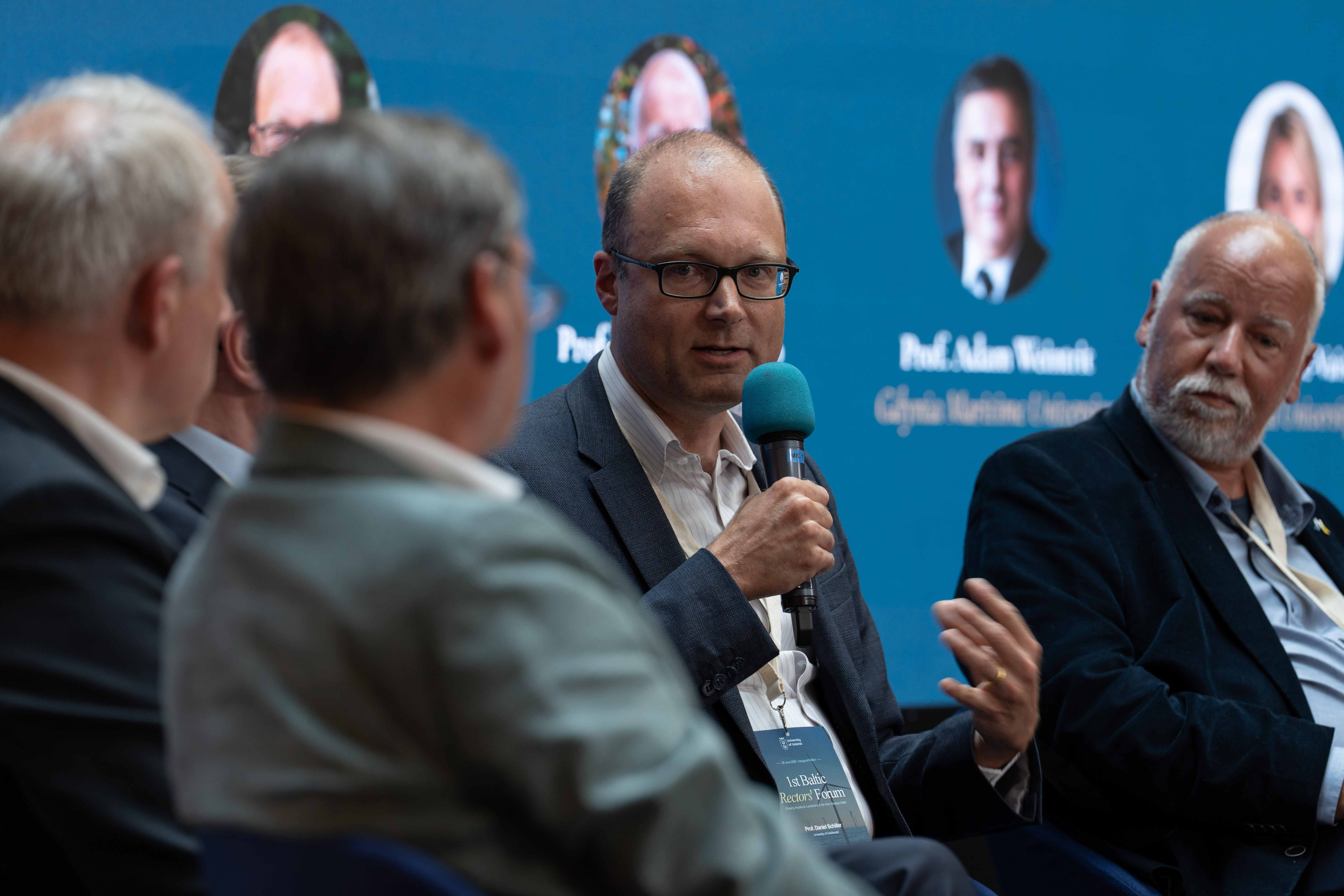
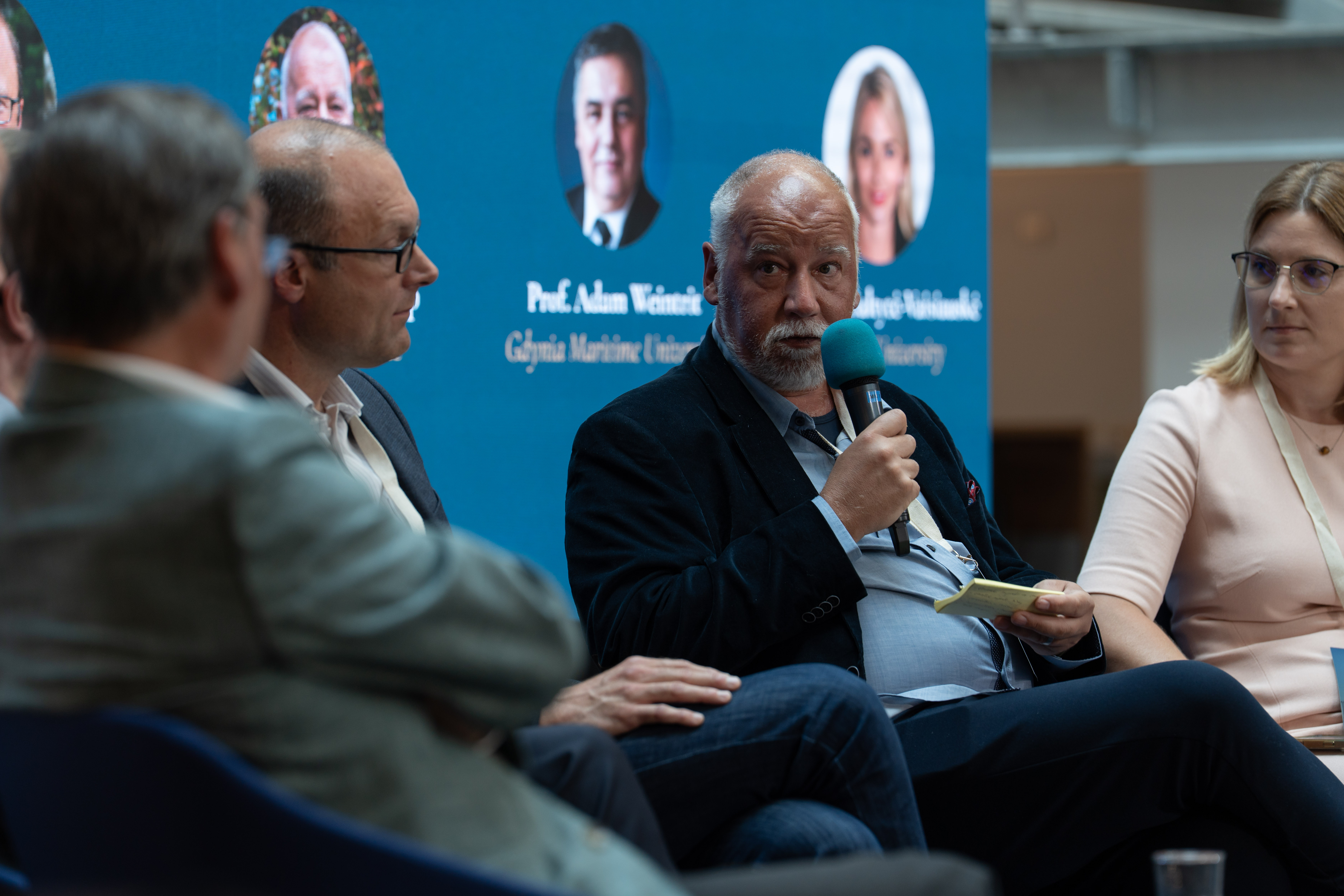
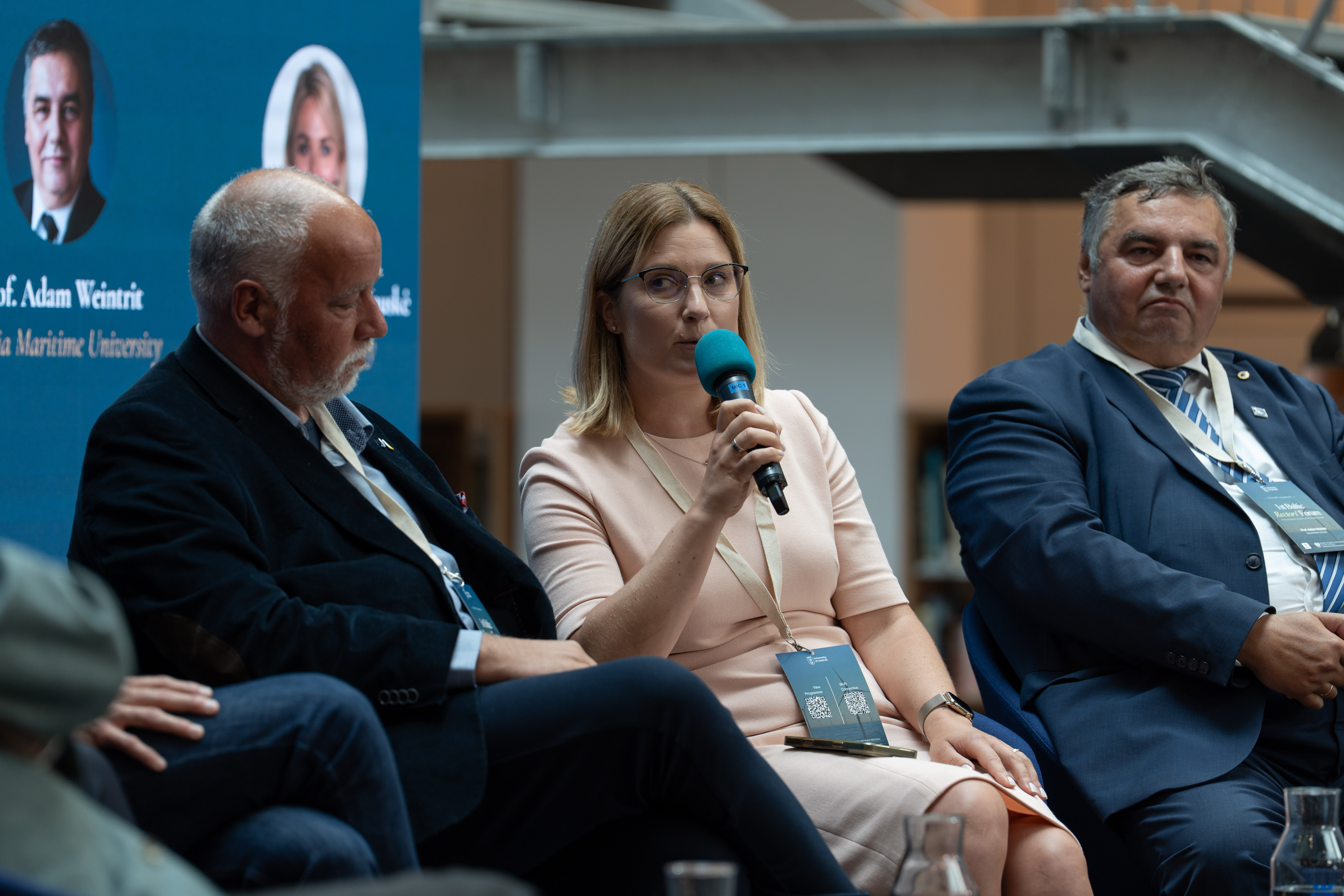
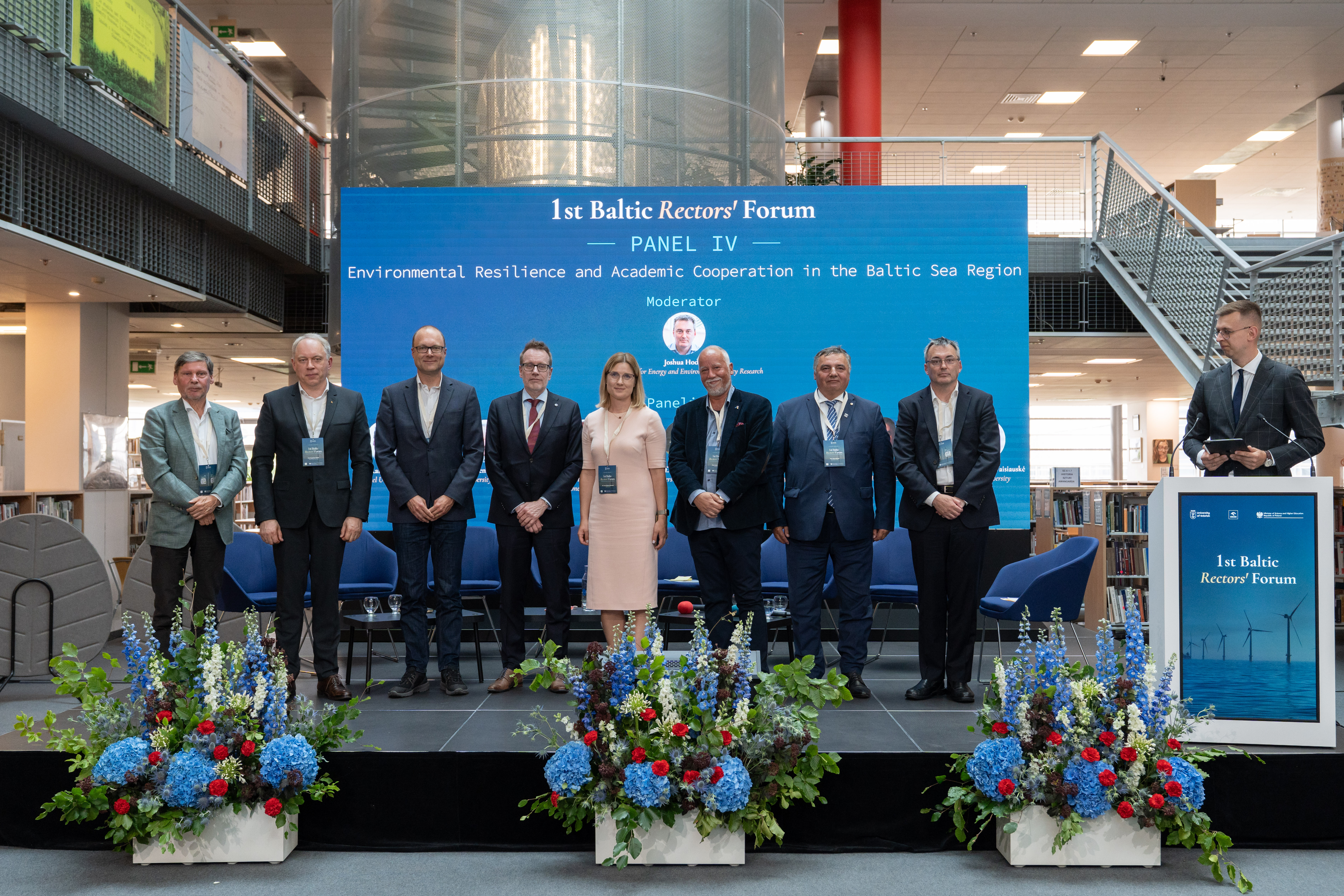
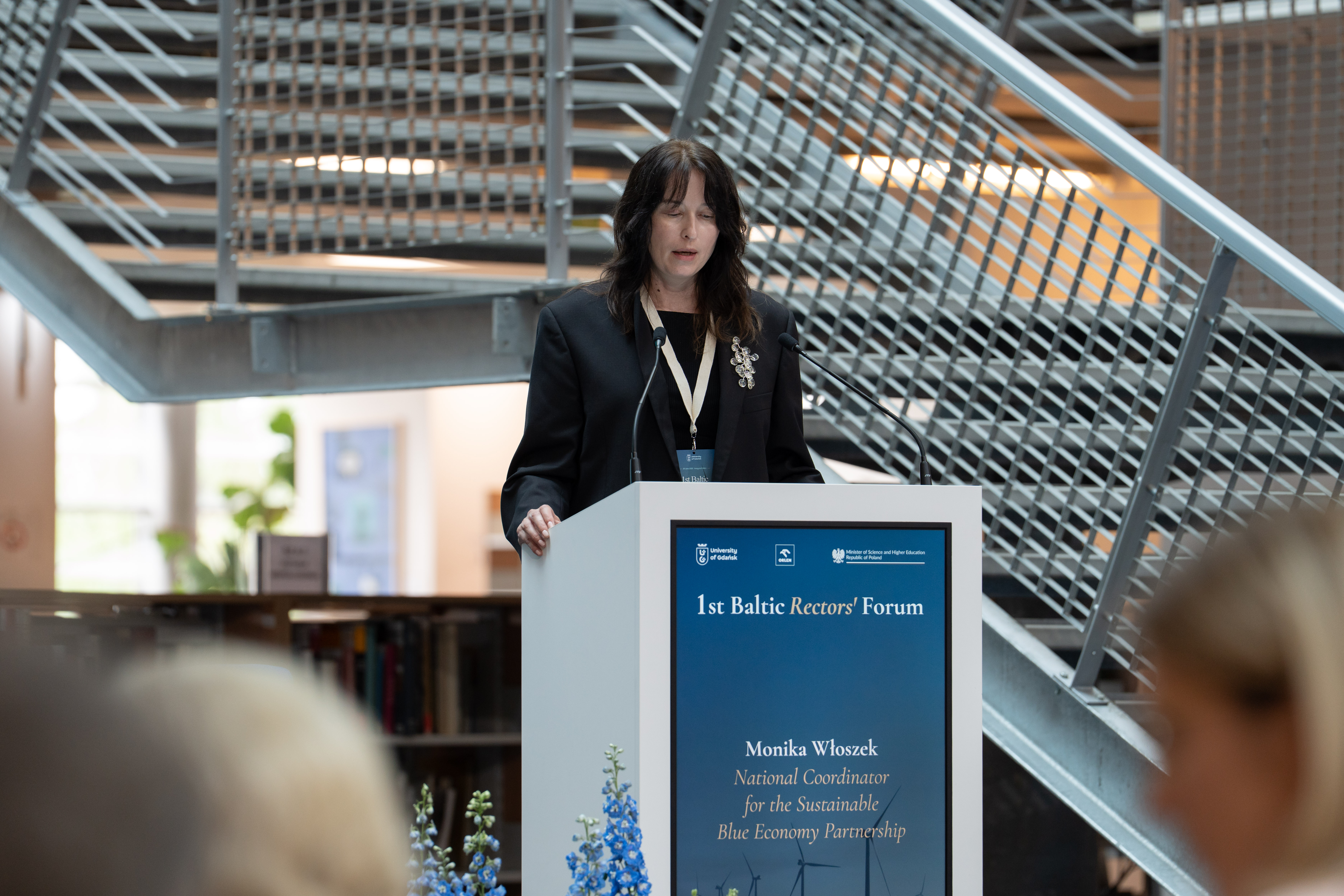
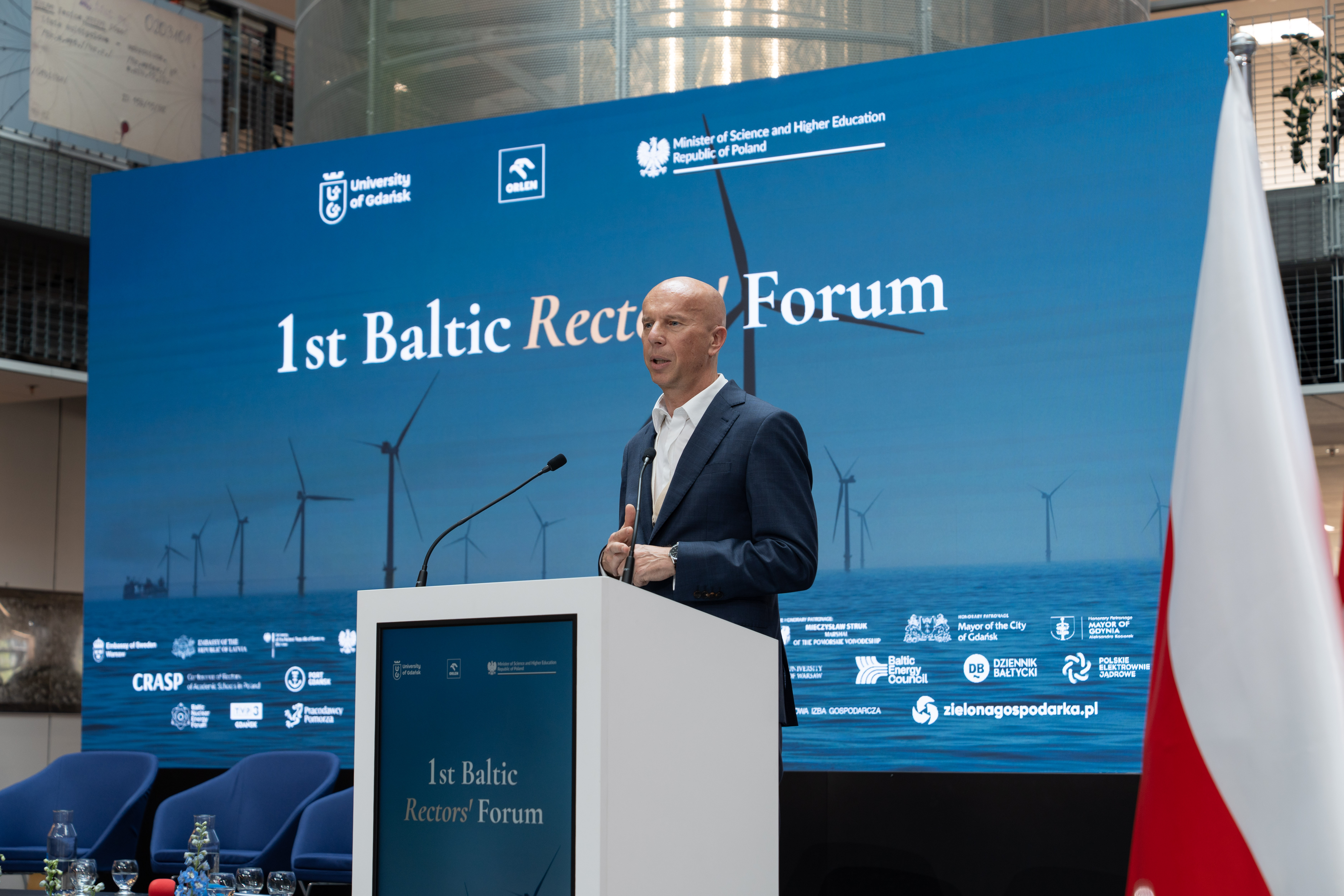
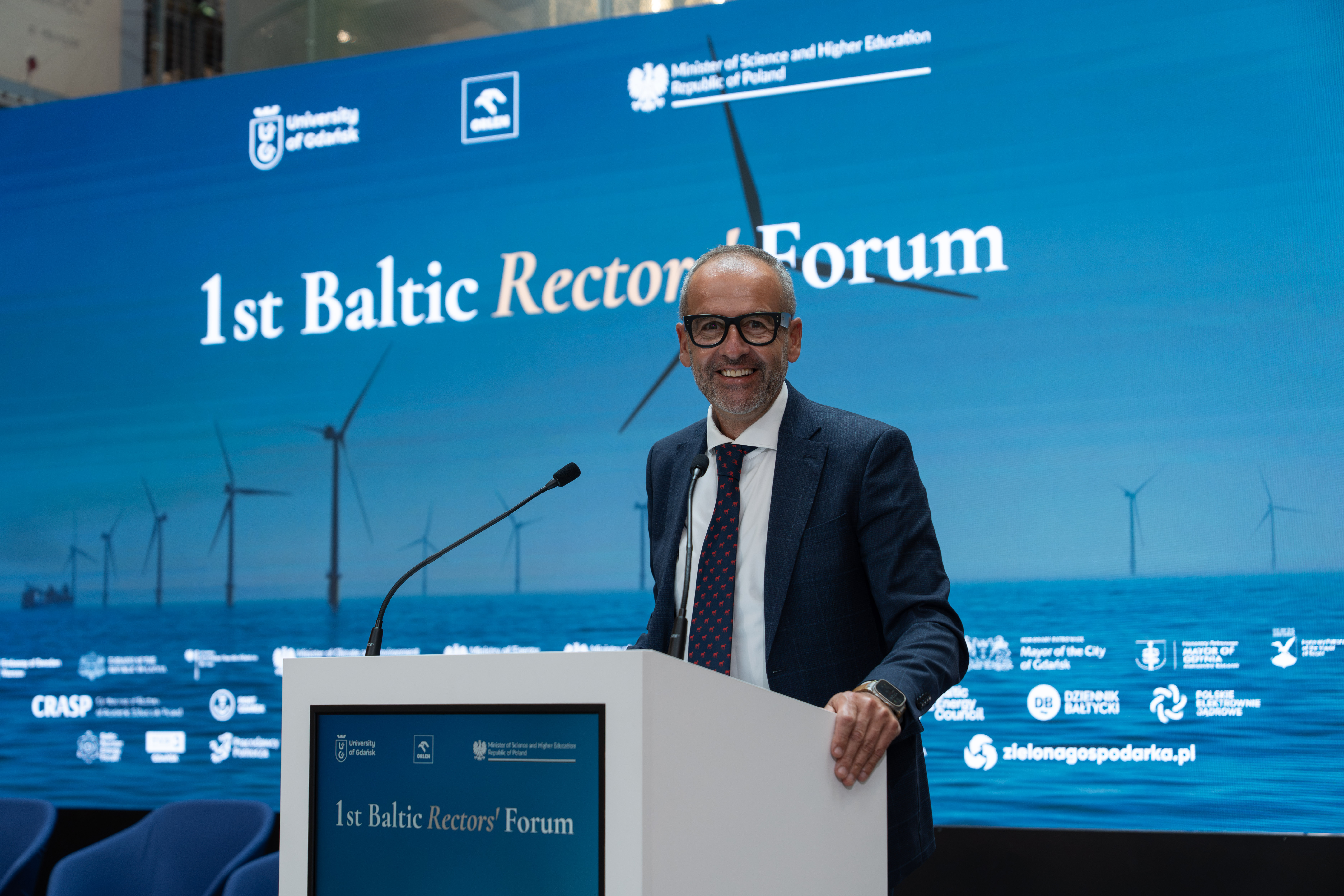
Strengthening relationships, deepening cooperation and building a better future are the main themes of the first Baltic Rectors’ Forum, which on 29 June brought together over 100 rectors and representatives of universities and institutions from the countries of the Baltic Sea region and their partner nations. The Forum is intended to mark an important beginning for academic and strategic cooperation - a platform for collaboration between higher education, science, business, the economy, and public administration in response to contemporary challenges in the region.
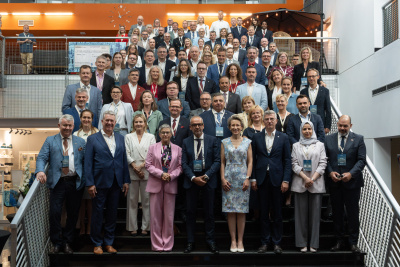
The event brought together representatives of universities and institutions from Poland, Germany, Denmark, Sweden, Finland, Norway, Lithuania, Latvia, and Ukraine. Participants included rectors and representatives of the Baltic Sea region’s leading universities, representatives of public administration (including three Polish ministries) and the business sector, as well as experts in energy, security, and climate transition.
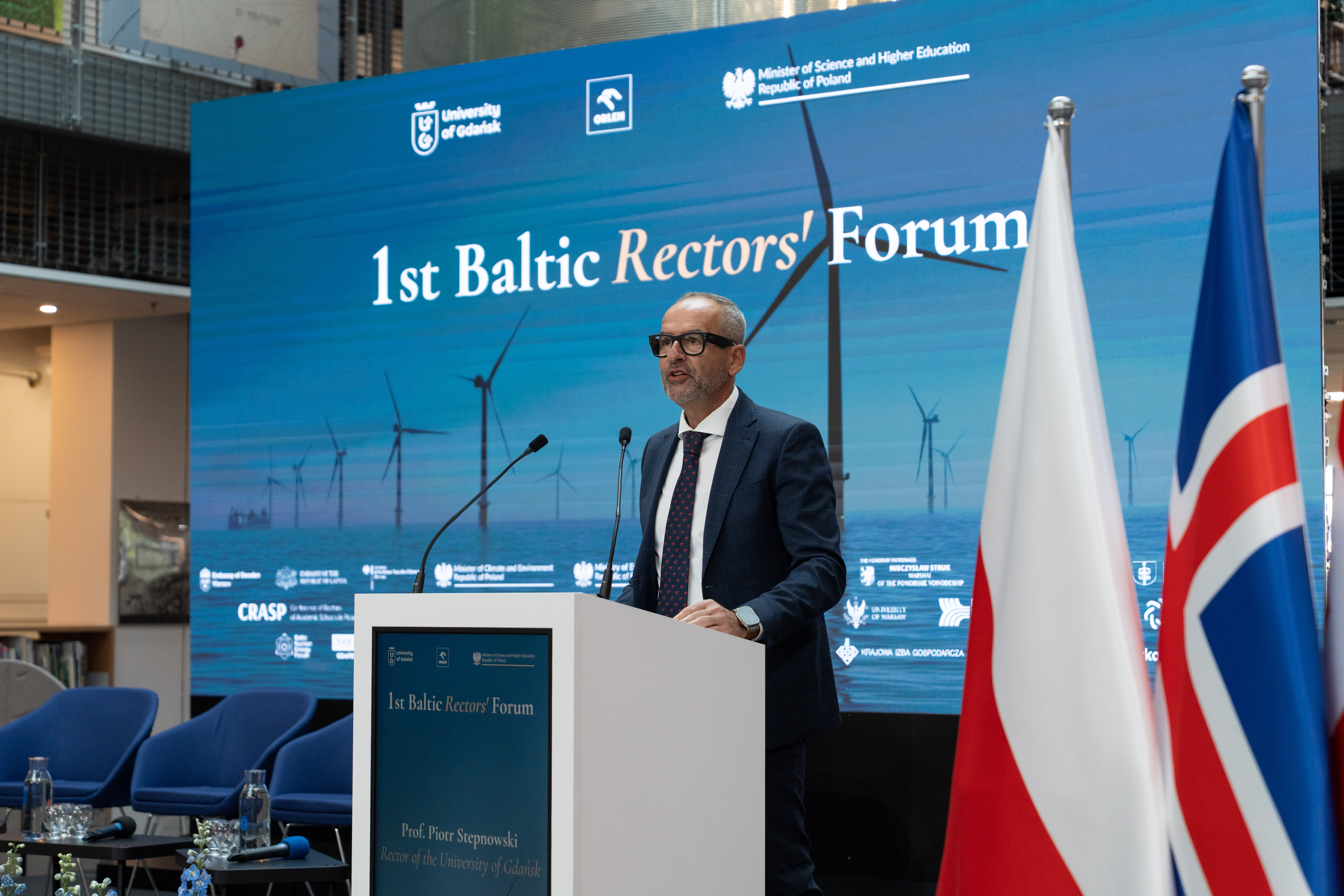
‘The presence of so many distinguished institutions from Northern, Central and Eastern Europe, alongside international partners such as the Massachusetts Institute of Technology, sends an important message: today, the Baltic Sea is no longer merely a geographical region - it is becoming one of Europe’s most important strategic regions,’ emphasised the Rector of the University of Gdańsk, prof. Piotr Stepnowski. ‘Nor is there a better place for this conversation than Gdańsk - a city that has shaped European history. History teaches us a simple lesson: whenever cooperation in the Baltic region flourishes, the region prospers. When it is divided, the region becomes weaker.’
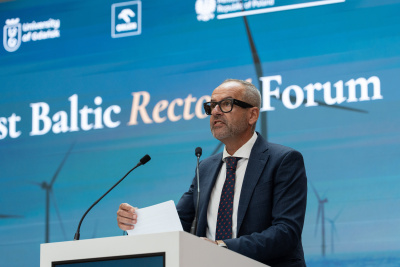
The Rector of the University of Gdańsk also referred to Russia’s aggression against Ukraine, emphasising that we are currently at a turning point in history. Critical infrastructure in the Baltic Sea region has become a strategic priority, and the issue of energy is no longer solely an economic matter. The Baltic has become a global laboratory for energy transition. New challenges are redefining the position and role of universities, which are becoming a key intellectual resource in the face of these changes. Important areas of research include, for example, the development of the offshore industry, nuclear energy and the ‘blue economy’.
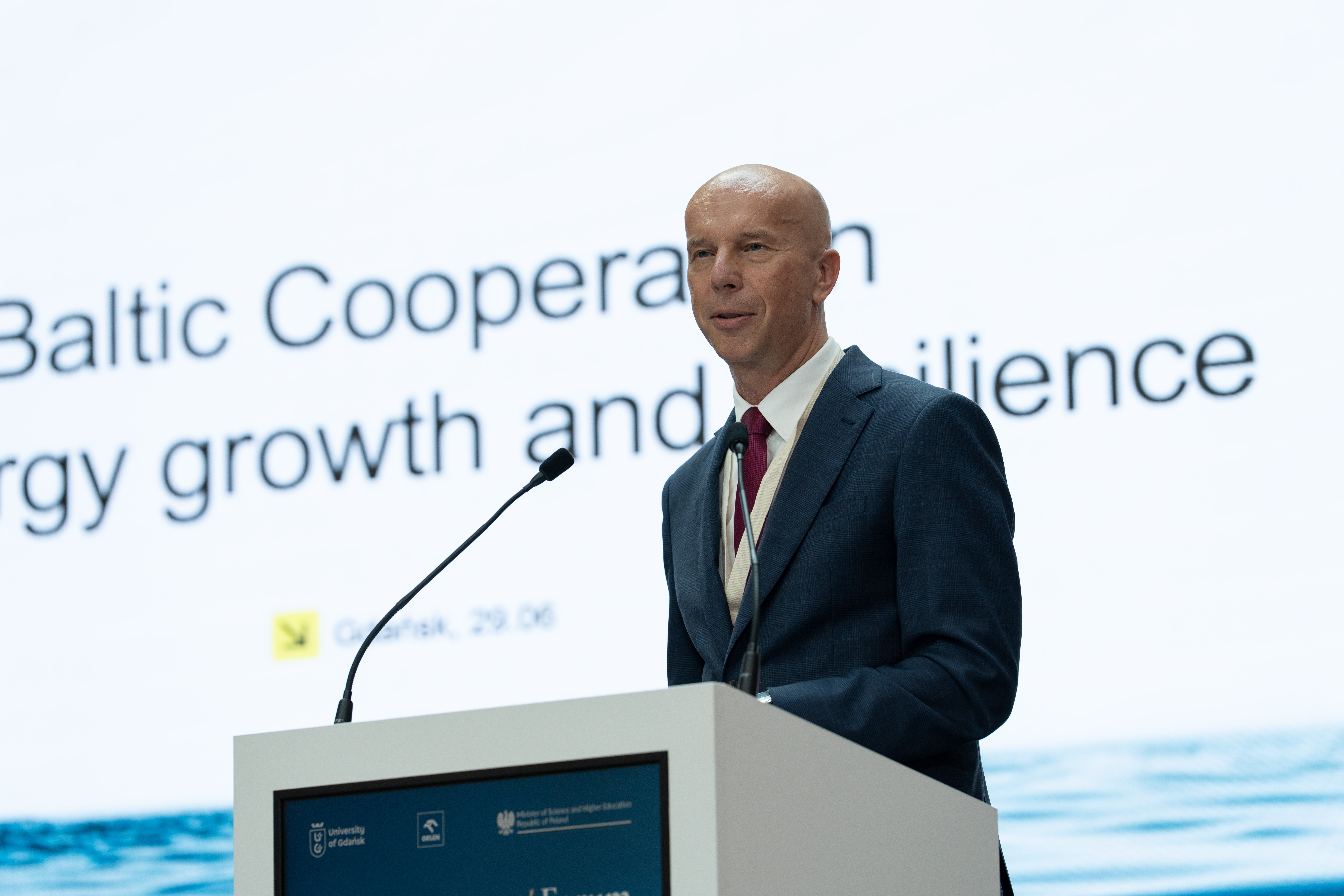
Sławomir Radoń, Executive Director for Strategy and Innovation at ORLEN S.A., highlighted two key roles of the Baltic Sea: related to security and to business. In his speech, he outlined the resources the company requires from universities, as well as those it can offer to them.
‘We have an excellent opportunity to accelerate the region’s development based on strong cooperation between academia and business,’ he stated.
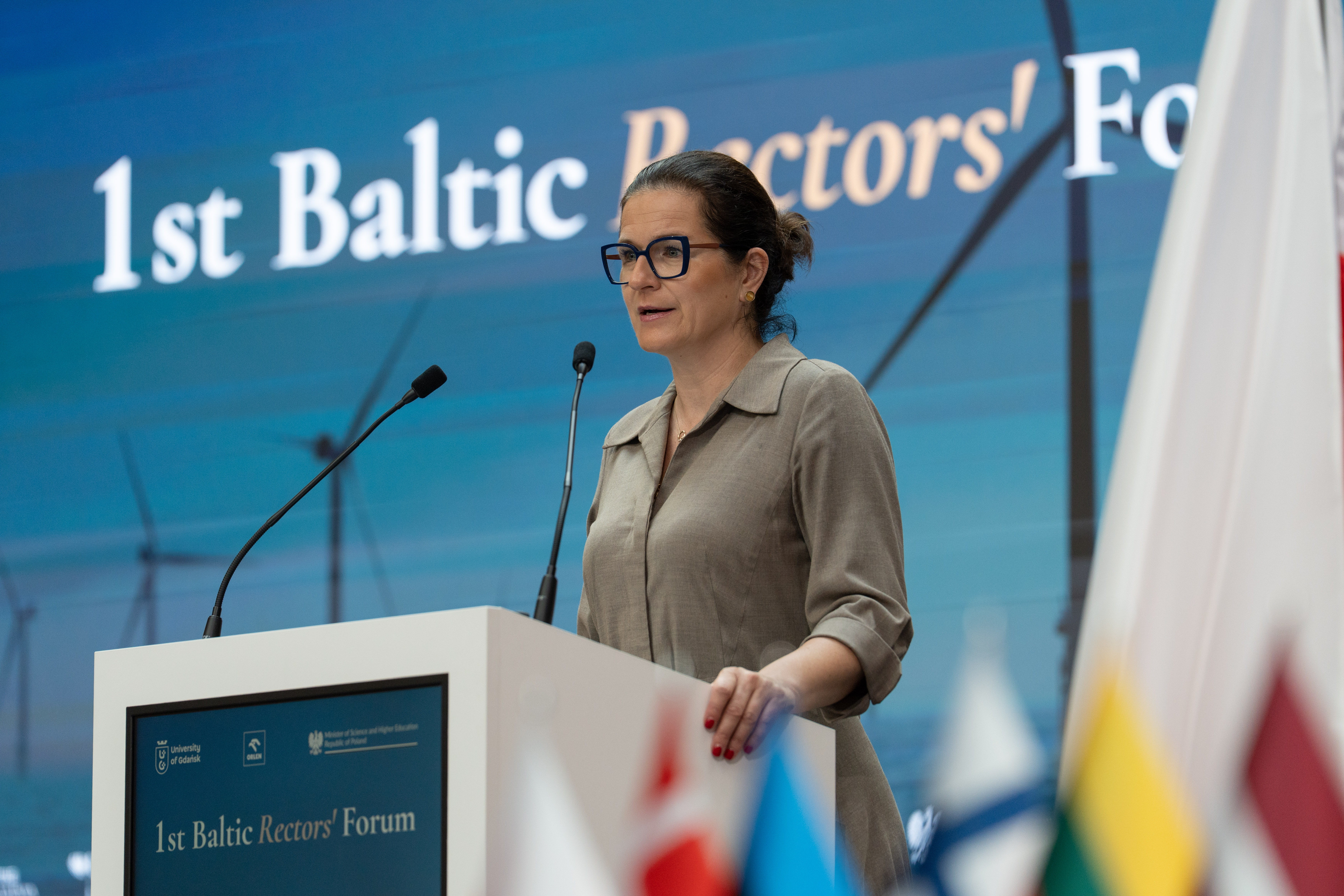
In this triangle of cooperation, alongside companies and researchers, governments and public administration also play a vital role - and the need for all three elements to work together was emphasised by the Mayor of Gdańsk, Aleksandra Dulkiewicz. She expressed her gratitude for the organisation of the Forum, which coincided with the end of Poland’s presidency of the Council of the Baltic Sea States (Council of the Baltic Sea States). ‘I firmly believe that this is the first step, and not the last, because the future requires such cooperation,’ she said.
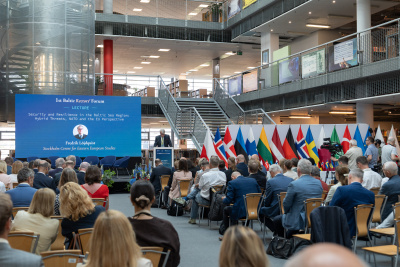
The forum’s agenda covers issues which, in the context of the current geopolitical situation and economic and technological challenges, have become particularly important for the region. Security (military, energy and digital), challenges related to the energy transition, the digital transformation and climate change have become the subject of discussion amongst representatives from the worlds of academia, business and diplomacy, both from the Baltic Sea region and from other countries.
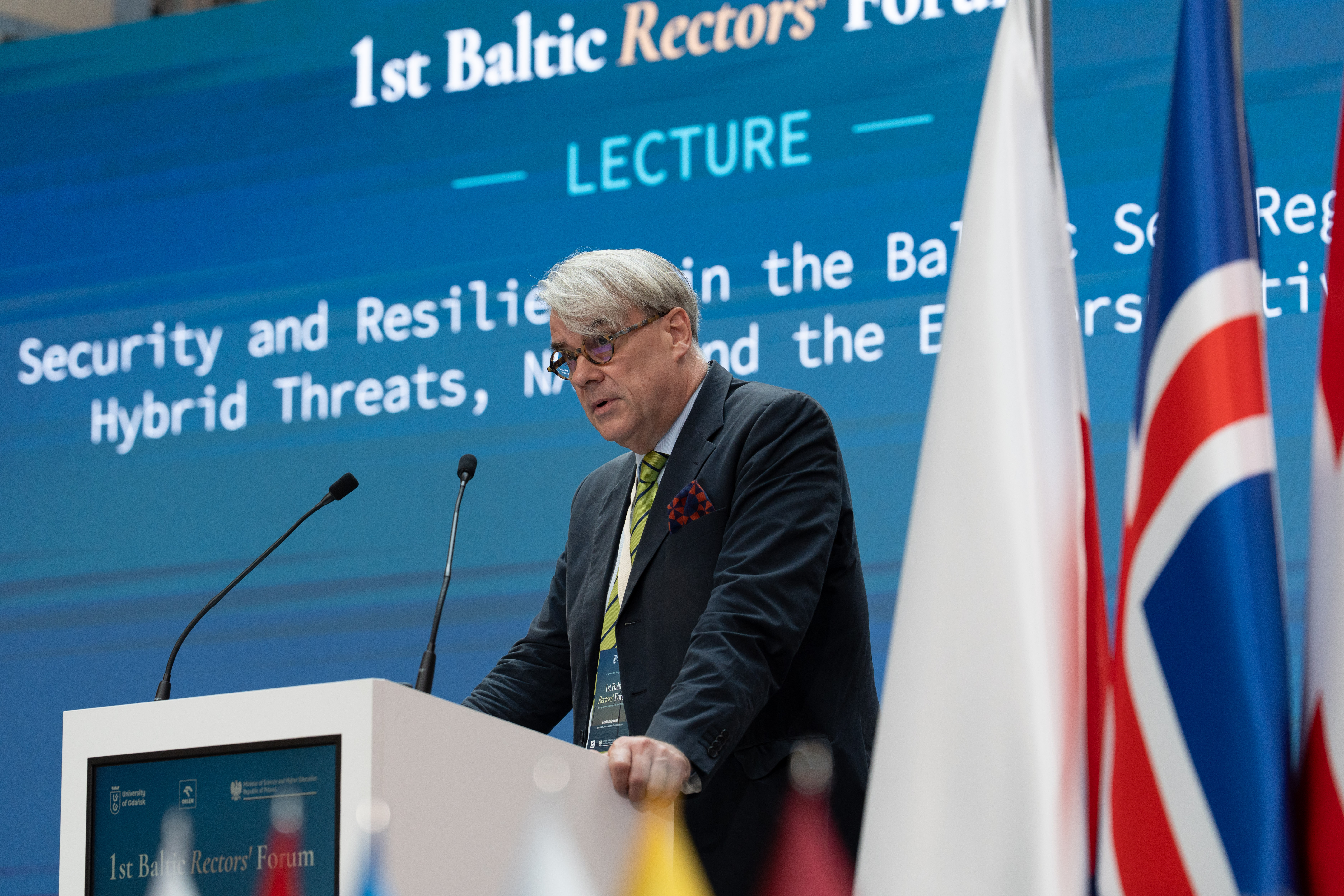
Speakers highlighted the current challenges facing the region and sought areas for cooperation, knowledge-sharing and the exchange of experiences. Among the issues discussed were, amongst others, threats arising from Russia’s actions, the need to diversify energy sources, the development of the maritime economy (including ports), the development of ‘green’ energy, digitalisation and the prospects for diplomatic cooperation in the region. The need to learn from the experiences of other countries and regions (such as the North Sea or Black Sea regions) was also widely emphasised. The role of science and universities in supporting development and security also emerged as a key point.
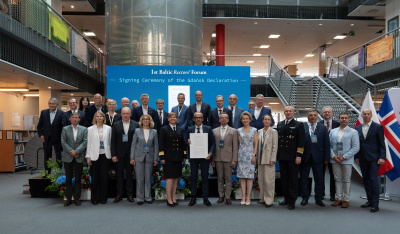
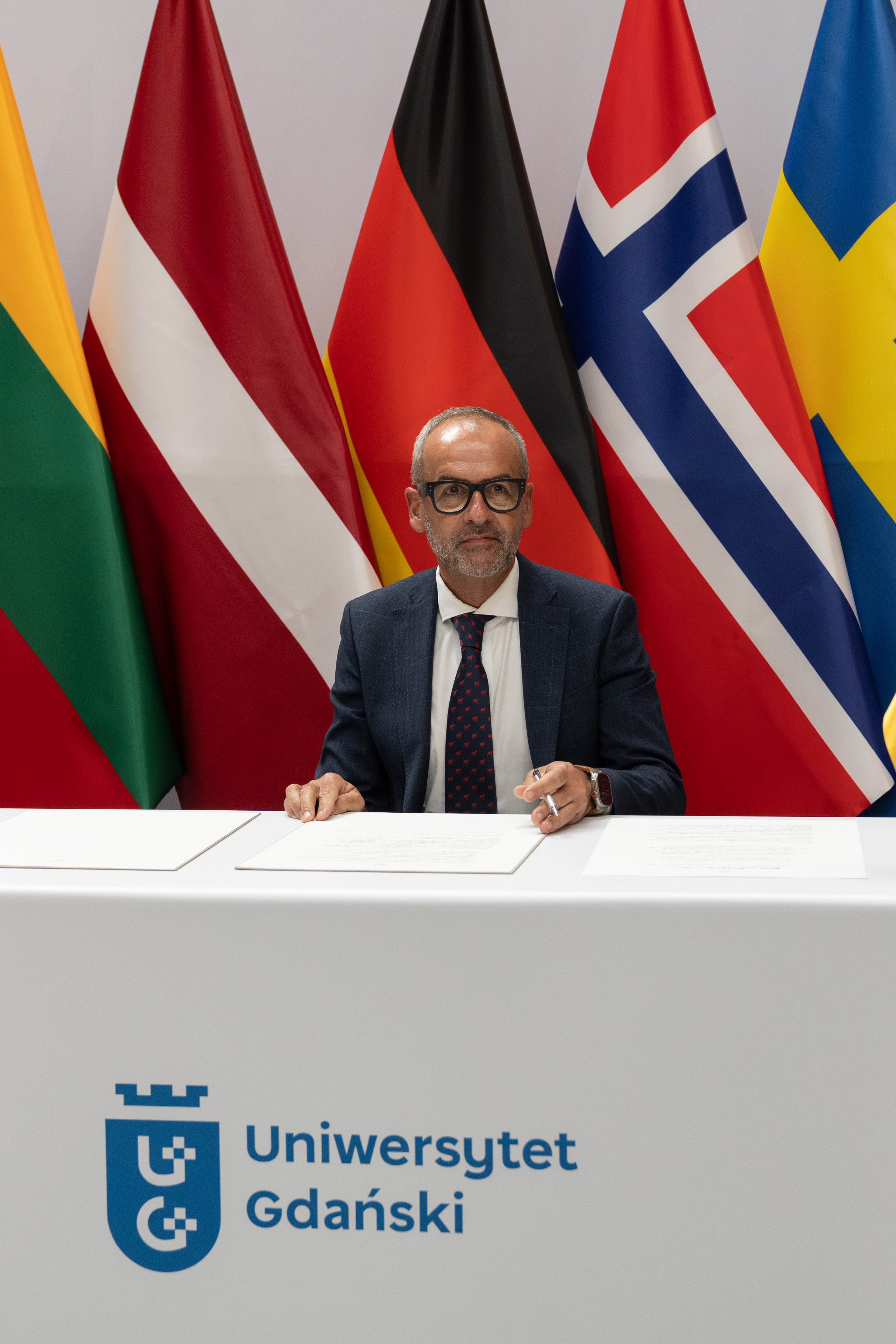
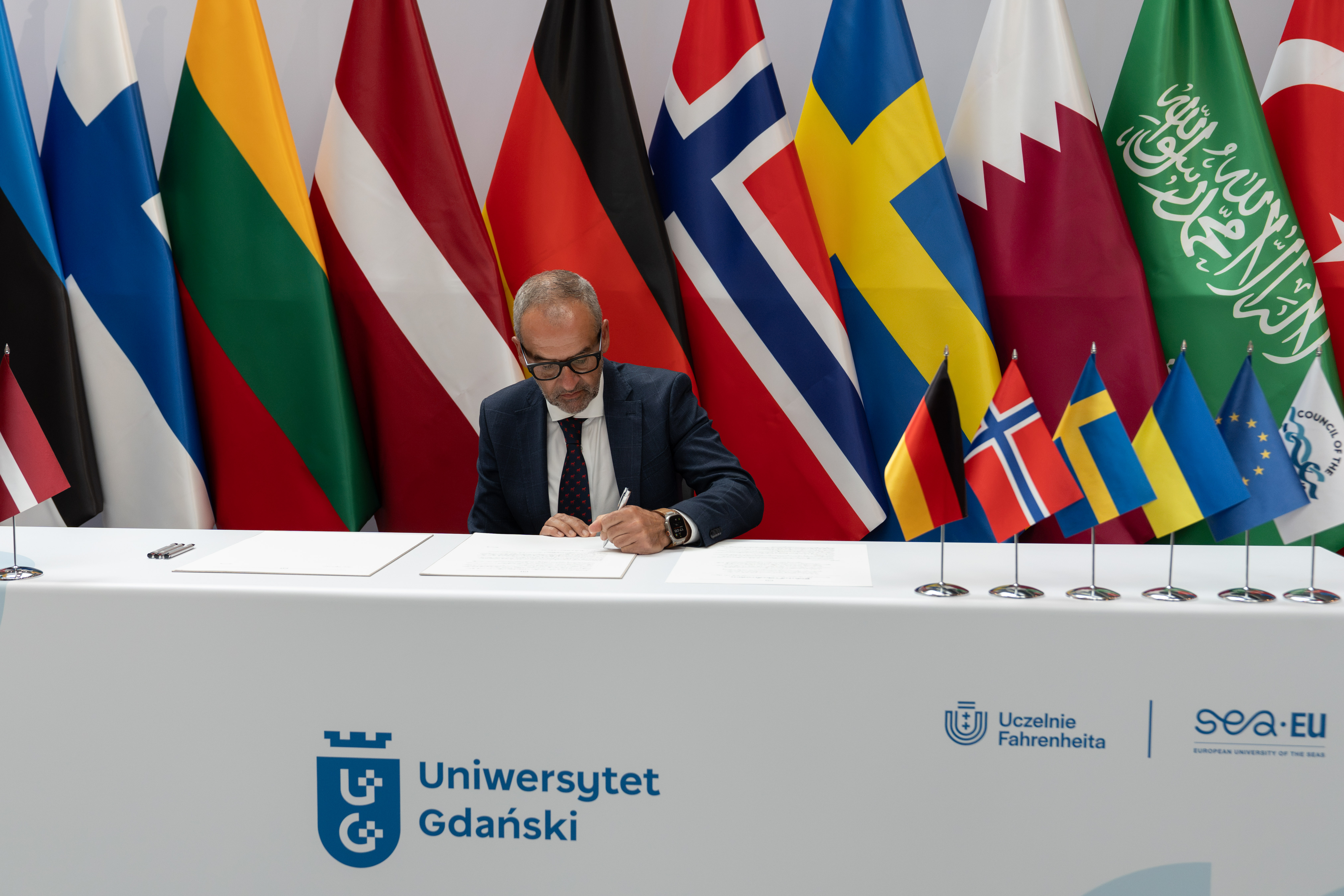
The Gdańsk Declaration (Baltic Rectors’ Declaration) will set the direction for cooperation among the region’s universities in the coming years. Its signing will mark the culmination of the first Baltic Rectors’ Forum.
The event is organised by the University of Gdańsk with the support of strategic partners: ORLEN S.A., the Ministry of Science and Higher Education, and the Port of Gdańsk. The forum is held under the patronage of the most important institutions involved in the development of regional cooperation and maritime, energy and scientific policy.