
A team of researchers from the Faculty of Chemistry at the University of Gdańsk has developed an innovative biosensor enabling the rapid detection of the bacterial endotoxin LPS. This solution has been granted patent protection by the Polish Patent Office.
LPS is a substance found in the outer membrane of many infection-causing bacteria, including Escherichia coli (E. coli). Once released into the body, it can trigger a severe inflammatory response and, in cases of severe infection, contribute to the development of sepsis. Rapid detection of LPS is therefore of great importance for the diagnosis and treatment of bacterial infections.
‘The portfolio of inventions developed at the Faculty of Chemistry, University of Gdańsk, has been expanded with another patent, granted by the Polish Patent Office,’ reports Katarzyna Gronowska, director of the University of Gdańsk Technology Transfer Office, which coordinated the patent protection process.
The researchers have developed a new method for modifying electrode surfaces using a specific peptide. This solution enables the detection of even trace amounts of endotoxin, and the change in the electrical signal allows its concentration in the test sample to be determined.
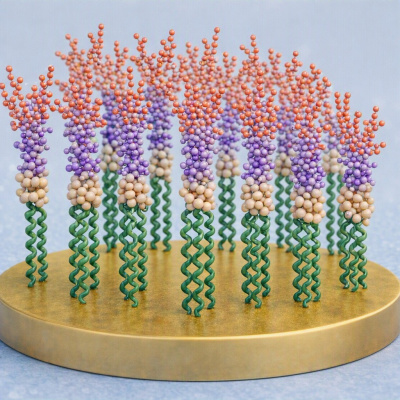
The main advantage of the biosensor developed is its ability to rapidly detect endotoxin without the need for time-consuming sample preparation or complex biochemical laboratory procedures. This solution has potential applications not only in medical diagnostics but also in the quality control of pharmaceutical products.
The patent is the result of collaboration between researchers from the University of Gdańsk and the Jagiellonian University. The team of inventors comprised: dr Paulina Kosikowska-Adamus, dr hab. Paweł Niedziałkowski, prof. UG, prof. dr hab. Adam Lesner, prof. dr hab. inż. Tadeusz Ossowski from the University of Gdańsk; and prof. dr hab. Joanna Kozieł and dr Anna Golda from the Jagiellonian University.
‘The research work involved a number of stages - from developing the peptide synthesis, through conducting complex biological studies, to developing the process of functionalising the electrode surfaces and confirming the effectiveness of this approach,’ says prof. Paweł Niedziałkowski. ‘A particular challenge was verifying the effectiveness of the developed solution not only in model solutions but also in real biological samples, such as body fluids,’ he emphasises.
The research carried out confirmed the high effectiveness of the solution obtained.