In the latest edition of the prestigious QS World University Rankings: Sustainability 2027, the University of Gdańsk has risen to 2nd place amongst all ranked Polish universities, consolidating its position amongst the world’s leading institutions committed to sustainable development.
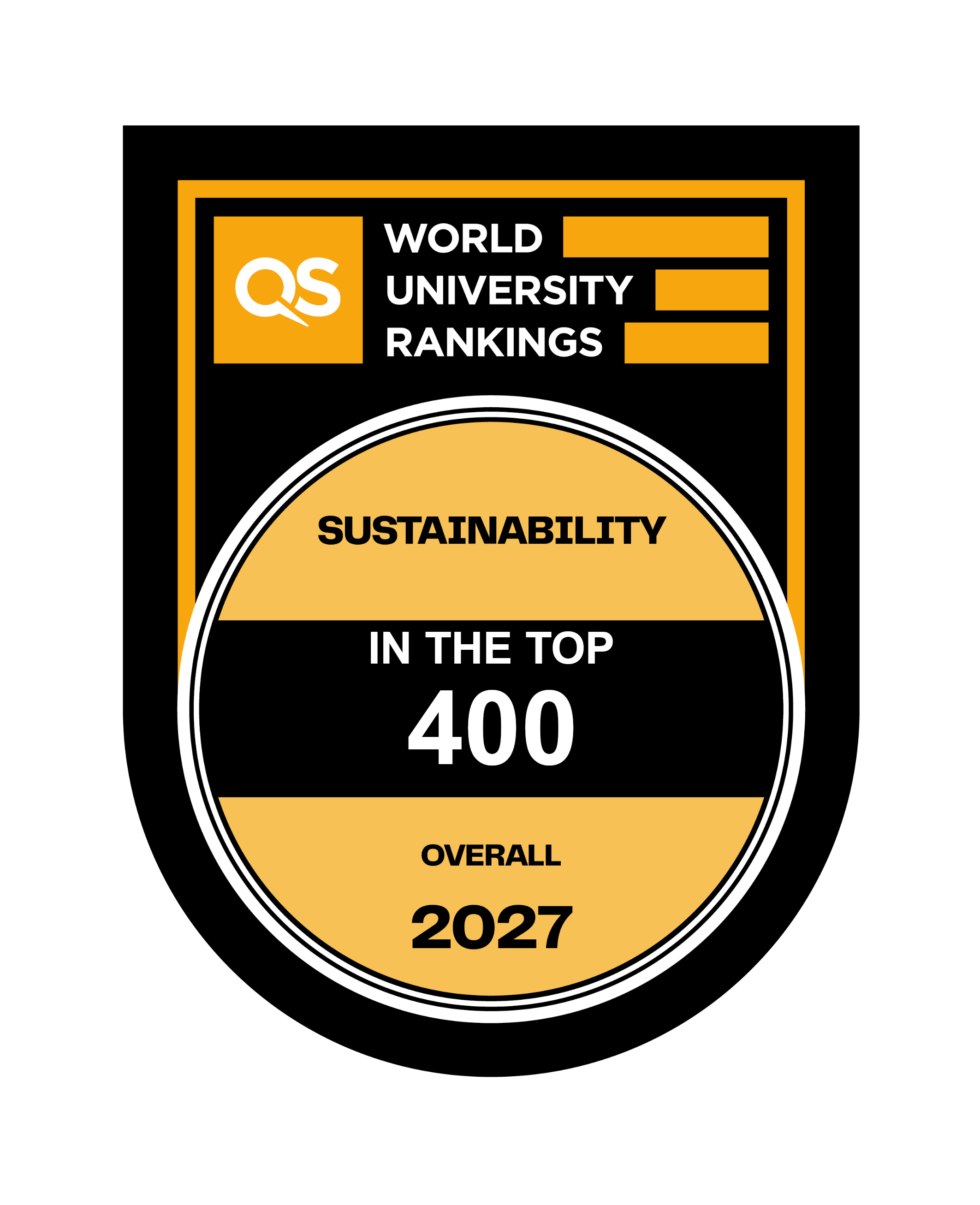
In the overall QS World University Rankings: Sustainability 2027, the University of Gdańsk was ranked 359th in the world (out of 2,003 institutions), 177th in Europe (out of 625 universities) and 2nd in Poland (out of 26 domestic higher education institutions). Compared with last year, our university has significantly improved its overall score - from 74.5 to 77.2 points (out of a possible 100) - which has resulted in a rise in the global rankings from 363rd place.
‘As a researcher specialising in chemistry and environmental protection, I am particularly pleased that the University of Gdańsk has taken first place in Poland in the category of environmental impact, including in the area of environmental education,’ commented the Rector of the University of Gdańsk, prof. Piotr Stepnowski, on the university’s success.
Polish universities in the rankings
The University of Warsaw topped the national rankings (78.9/100 points, up from 78.1 points), though it fell from 286th to 326th place globally. Last year’s leader in Poland - Jagiellonian University - came third in the country this time and 365th in the world (down from 271st place).
Four other Polish universities also featured in the top 500 of the global ranking: Gdańsk University of Technology (73.5/100 points - 452nd place), Adam Mickiewicz University in Poznań, Warsaw University of Technology (both 72.1/100 points - joint 495th place) and Wrocław University of Technology (72.0/100 points - 500th place).
The remaining Polish institutions were ranked further down the list - nine universities made it into the top 1,000, whilst a further ten were ranked below 1,000th place.
Leader in the area of environmental impact
An analysis of the results in individual subject areas confirms the University of Gdańsk’s strong and balanced position across all dimensions of the assessment:
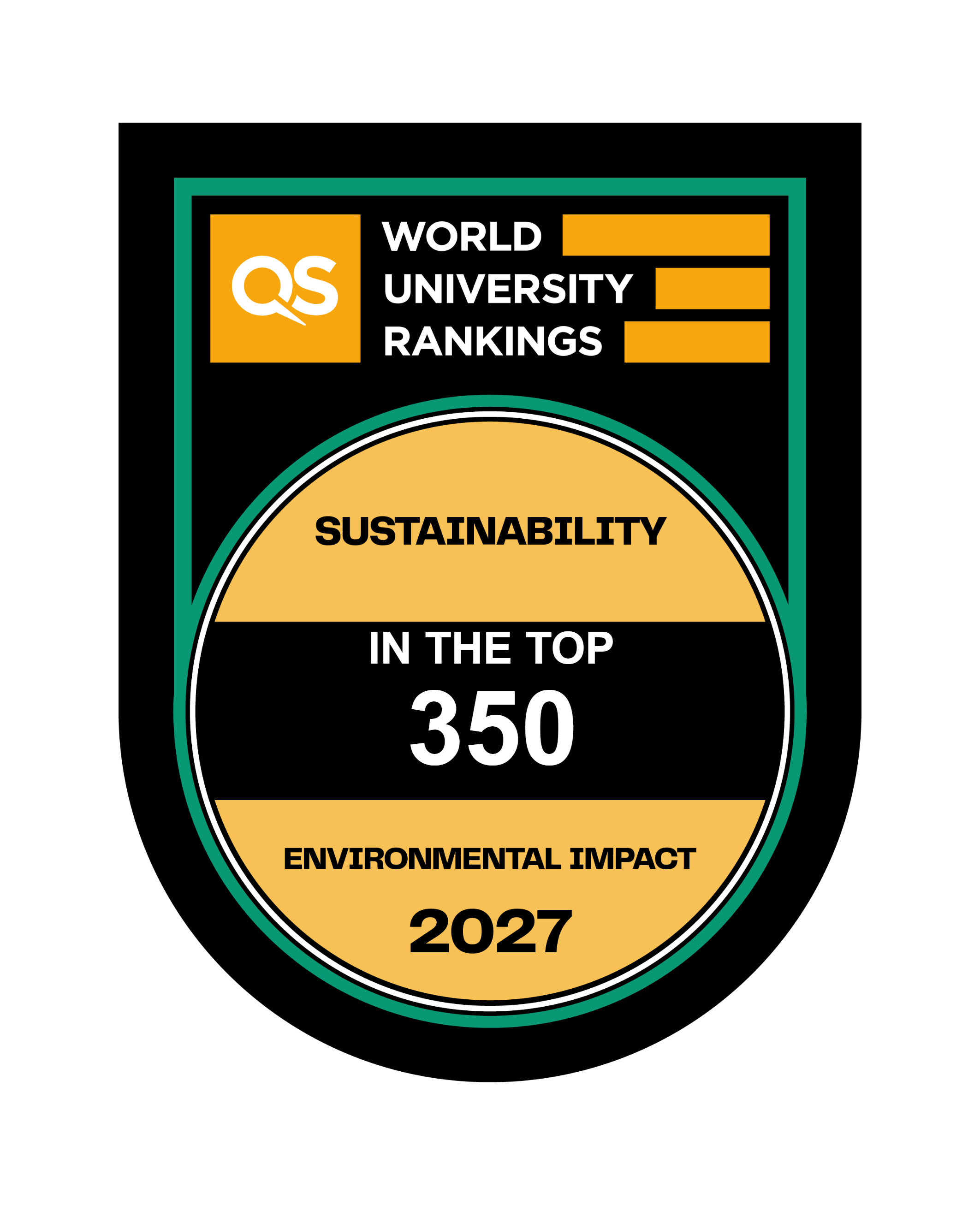
Environmental Impact: The University of Gdańsk took the top spot in Poland, ranking 330th in the world. This result confirms the highest quality of research and teaching carried out in the field of environmental protection. The highest-rated indicator in this area was Environmental Education, in which the University of Gdańsk took first place nationally and 230th globally.
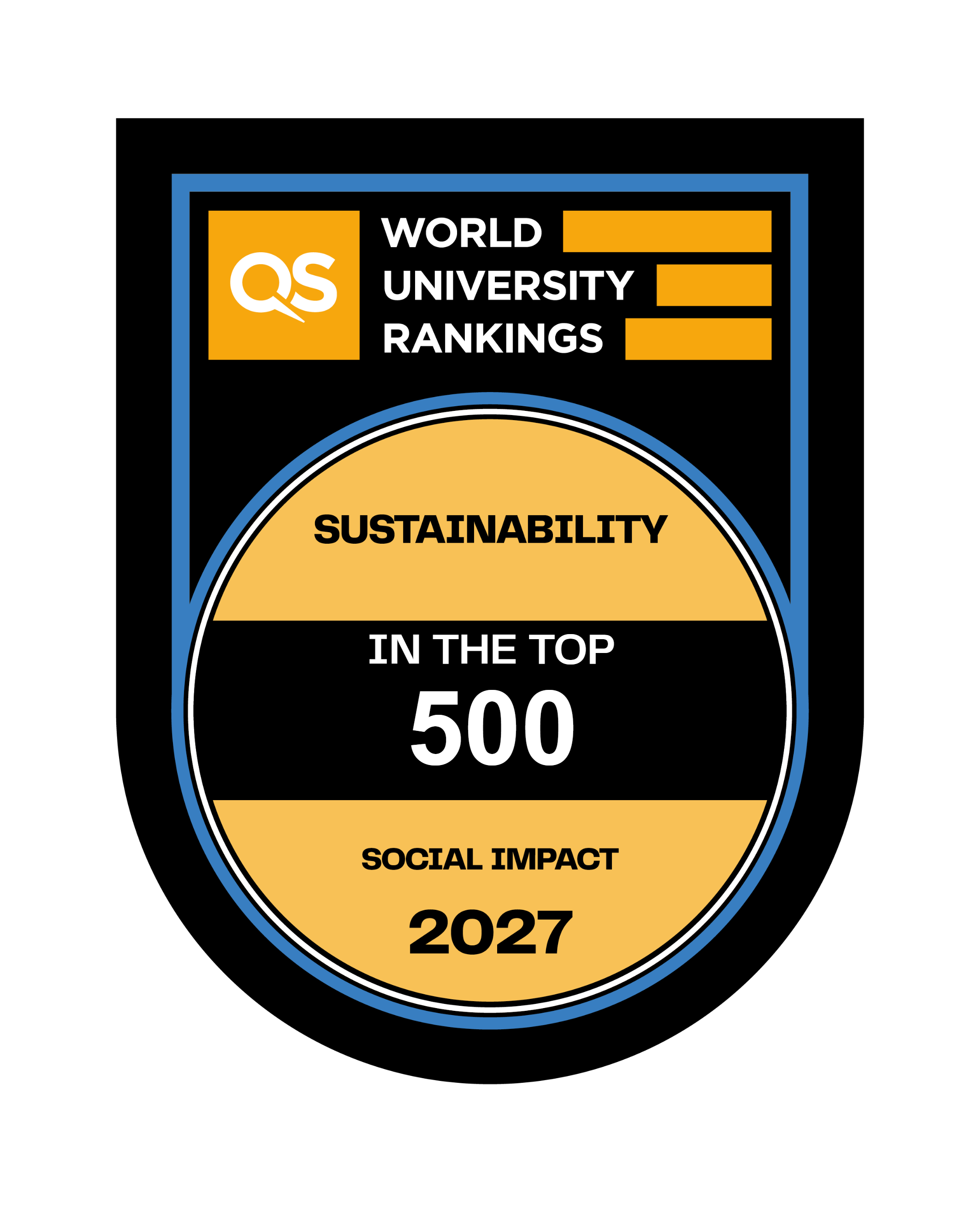
Social Impact: Our university has risen to 500th place globally (an improvement on last year’s 526th place).
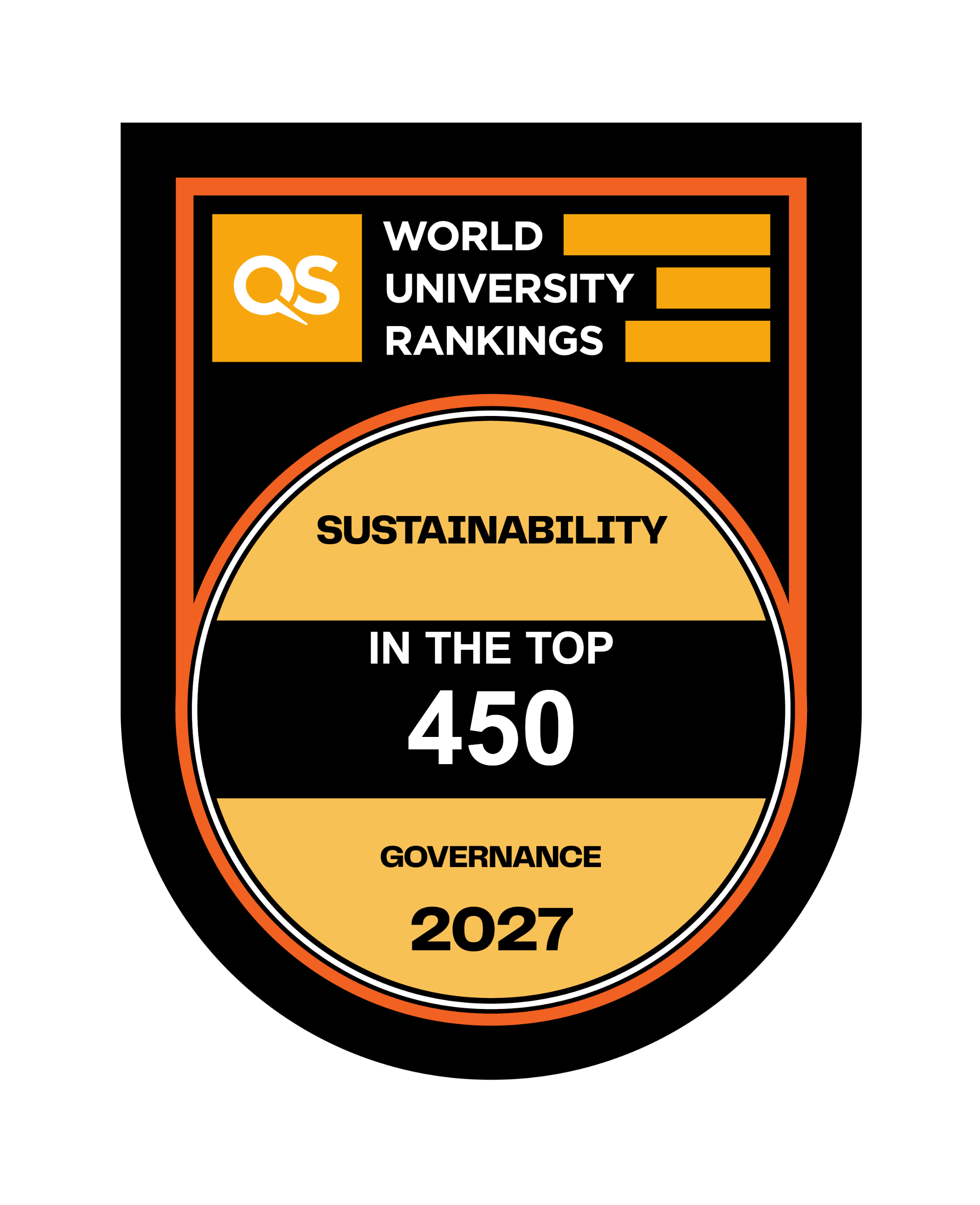
Governance: With a score of 87.9/100, the University of Gdańsk maintained its high 4th place in Poland, which attests to the effectiveness and high standards of the institution’s management.
High scores on a global scale and the position as runner-up in the country once again confirm the strong brand of the University of Gdańsk as a modern institution actively working towards sustainable development.
Ranking methodology - what is assessed?
QS World University Rankings: Sustainability assesses how effectively higher education institutions contribute to building a more sustainable future through teaching, research, day-to-day operations, management and community engagement. The ranking provides students, universities, decision-makers and partners with a comprehensive picture of activities promoting sustainable development - taking into account the fact that universities influence their surroundings not only through academic activities, but also as employers, partners of local communities and large organisations.
The methodology is based on the assessment of three main areas (categories), which are further divided into 9 specific areas and 52 indicators:
- Environmental Impact (45% of the overall score): analyses the university’s contribution to environmental protection through education, research, operational practices, climate commitments and graduates’ achievements.
- Social Impact (45% of the overall score): measures the institution’s positive social impact in areas such as graduate employability, equality, health and wellbeing, educational impact and knowledge exchange.
- Governance (10% of the overall score): assesses ethical leadership, operational transparency, accountability, stakeholder participation and the effectiveness of the institution’s governance processes.
The assessment combines data from public sources, information provided by the universities themselves, global surveys, national statistics, academic publication databases and external reference datasets.
Why does participation in this ranking matter?
For higher education institutions, the results of the QS World University Rankings: Sustainability are an important benchmark. They confirm that the chosen development strategy is in line with global trends in higher education, and that the research and teaching carried out have a measurable impact on society and the environment. The ranking assesses universities from multiple perspectives - both as centres of research and education, and as major employers implementing the principles of sustainable development within complex organisational structures.
The ranking also serves as a valuable guide for prospective students who wish to choose a university actively working towards a safer and more sustainable world. The creators of the ranking do not limit themselves to analysing declarations, but seek concrete, external evidence of commitment - ranging from the achievements of graduates developing technologies to combat climate change, to the tangible impact of research carried out within the framework of the UN’s 17 Sustainable Development Goals.
Full results of the QS World University Rankings: Sustainability 2027