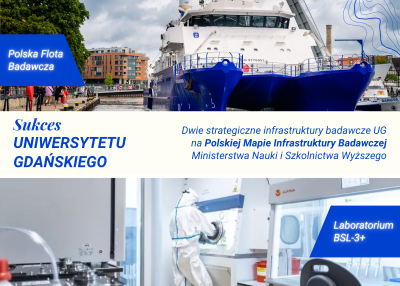
The Polish Research Fleet and the Centre for Pathogen Research and the Development of Innovative Therapies at the BSL-3+ Laboratory have been included on the Polish Research Infrastructure Map (PMIB). ‘This is an important endorsement of our university’s scientific potential and the quality of the research carried out by our scientists,’ says the Rector of the University of Gdańsk, prof. Piotr Stepnowski.
The Polish Research Infrastructure Map brings together units with the highest potential for scientific excellence, consolidating research potential in fields vital to the development of science and the country.
Between 2024 and 2026, the Ministry of Science and Higher Education carried out an update of the Polish Research Infrastructure Map. This involved both a review of the infrastructures listed on the Map since 2020 and a call for new projects. Members of the PMIB Advisory Group and nearly 300 national and international reviewers were involved in this process. In total, the updated Map features 165 research infrastructures - including two units from the University of Gdańsk: the Polish Research Fleet, comprising the r/v Oceanograf, and the Centre for Pathogen Research and the Development of Innovative Therapies at the BSL-3+ Laboratory.
‘The inclusion of both projects on the Polish Research Infrastructure Map confirms the strategic role of the University of Gdańsk in the development of Pomerania, whilst also strengthening the security and research potential of the entire country,’ emphasises the Vice-Rector for Research prof. Wiesław Laskowski.
The Minister for Science and Higher Education, Marcin Kulasek, in his cover letter accompanying the updated list of the Polish Research Infrastructure Map, assured that “two elements are of key importance for excellence in scientific research - adequate human capital and modern research infrastructure”: ‘The latter element is doubly important, as without it it is not possible to train future scientific and scientific-technical staff to the required standard. Large, strategic research infrastructures attract the best researchers and innovative enterprises, which facilitates economic development and the growth of the country’s social capital. Possessing excellent laboratories that apply the highest standards of research and education is therefore essential for our development.’
Following a review, 61 of the 70 facilities listed on the Polish Research Infrastructure Map in 2020 were retained. These were joined by 104 facilities selected through a call for proposals, bringing the total number of facilities on the updated Map to 165.
Following the classification model used by the European Strategy Forum on Research Infrastructures, these have been divided into six research areas.
Comprehensive research on the Baltic Sea
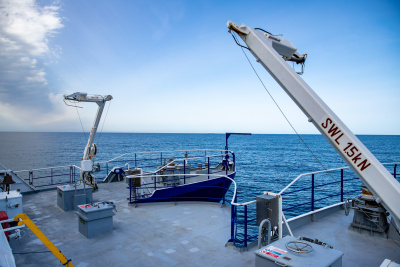
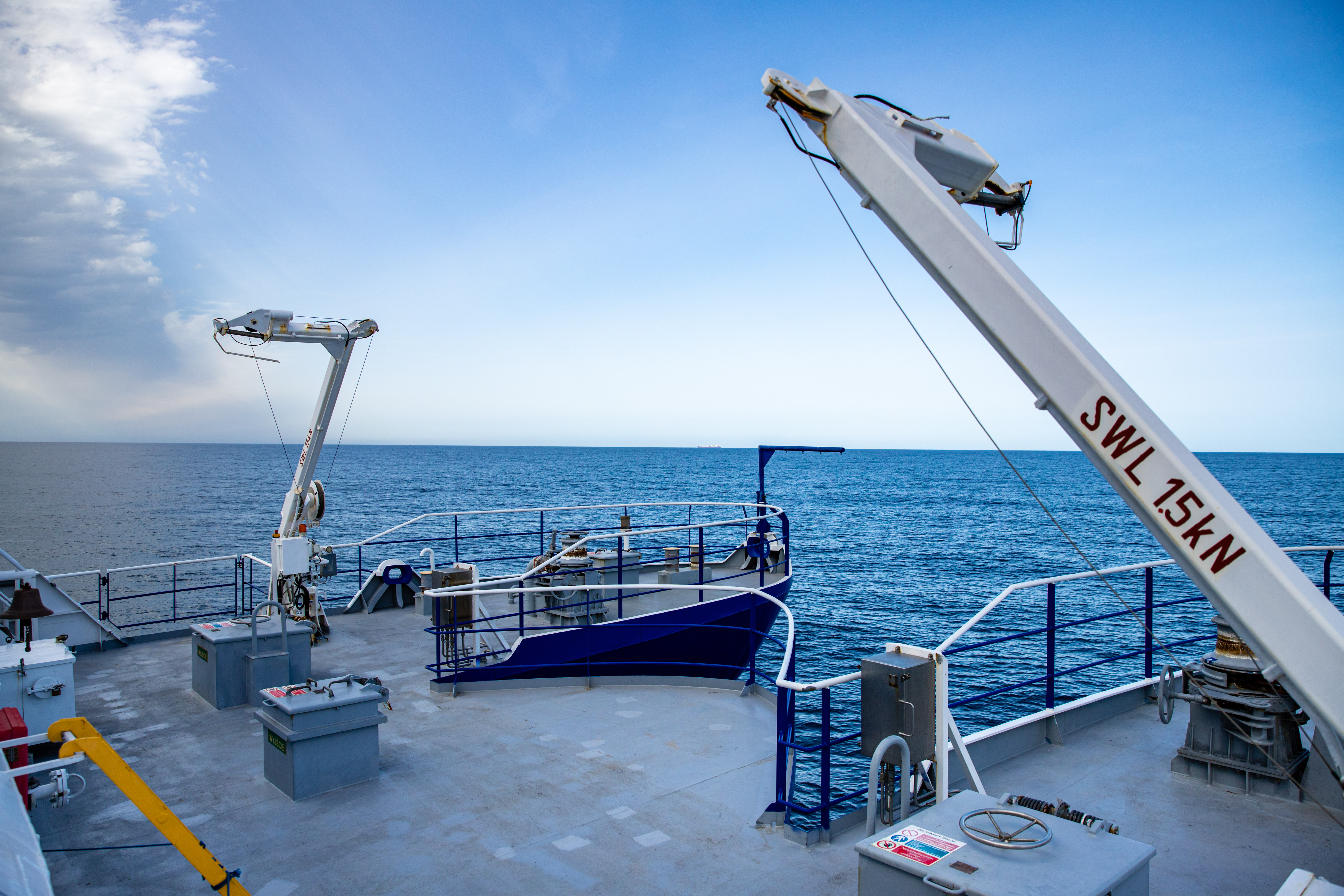
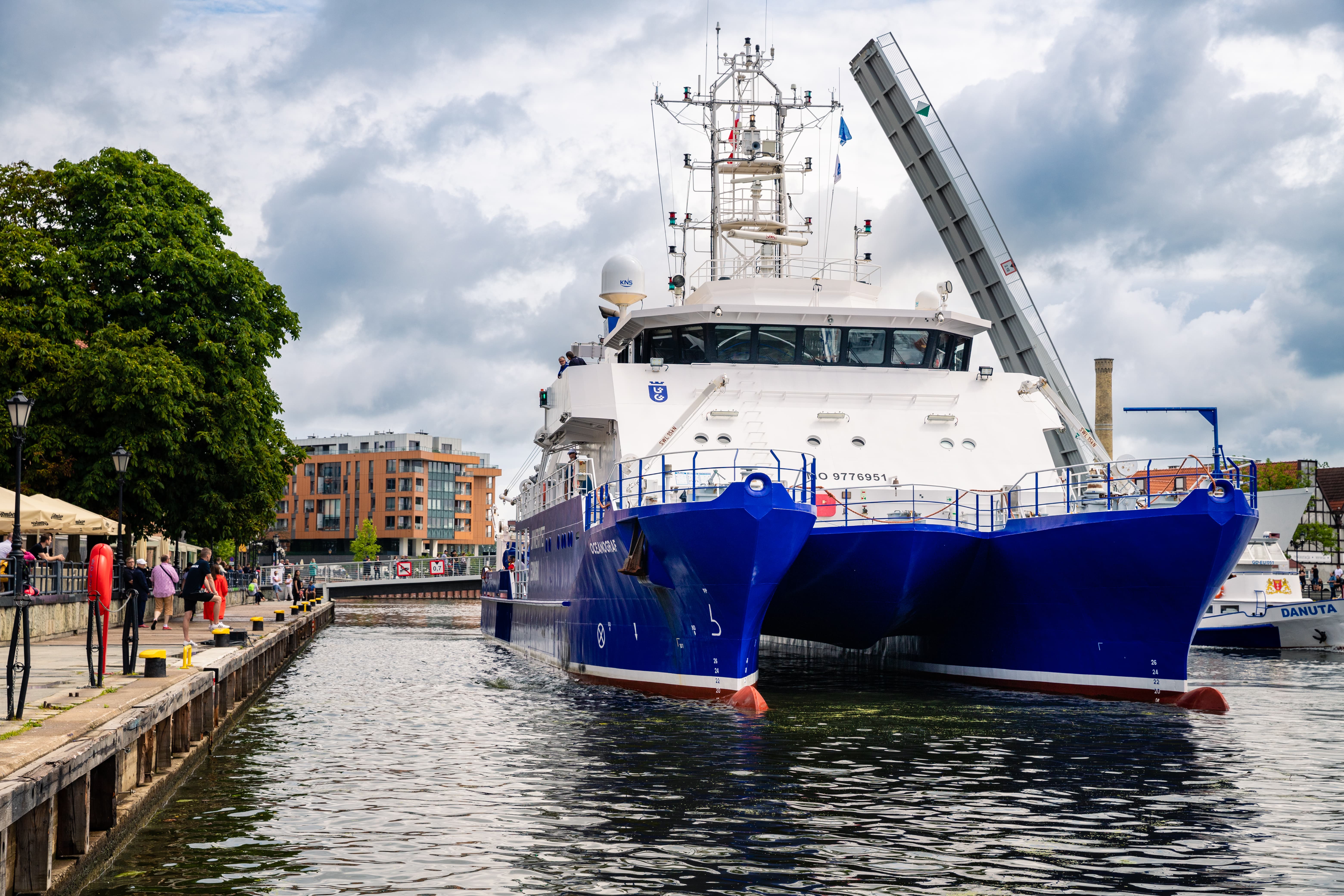
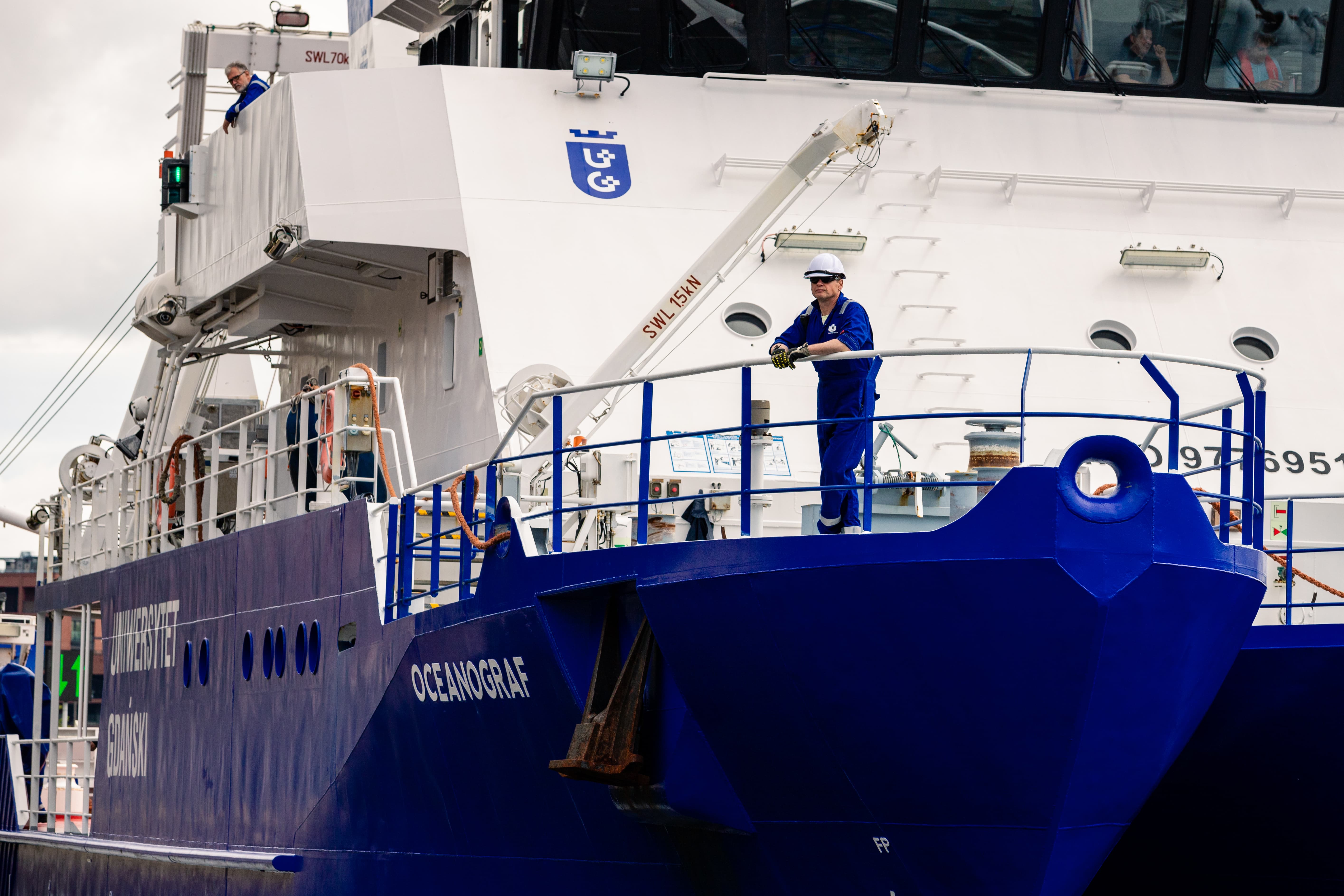
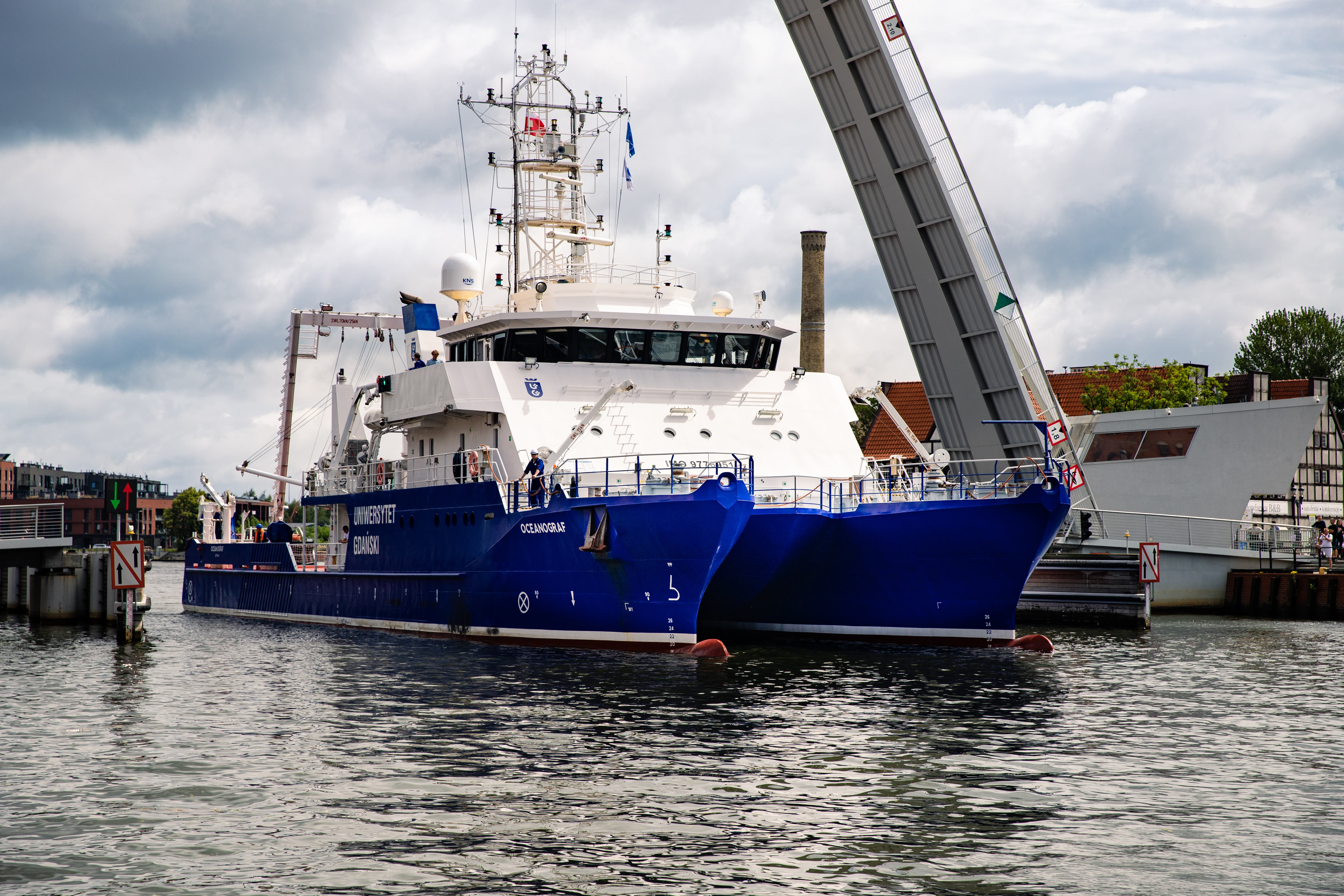
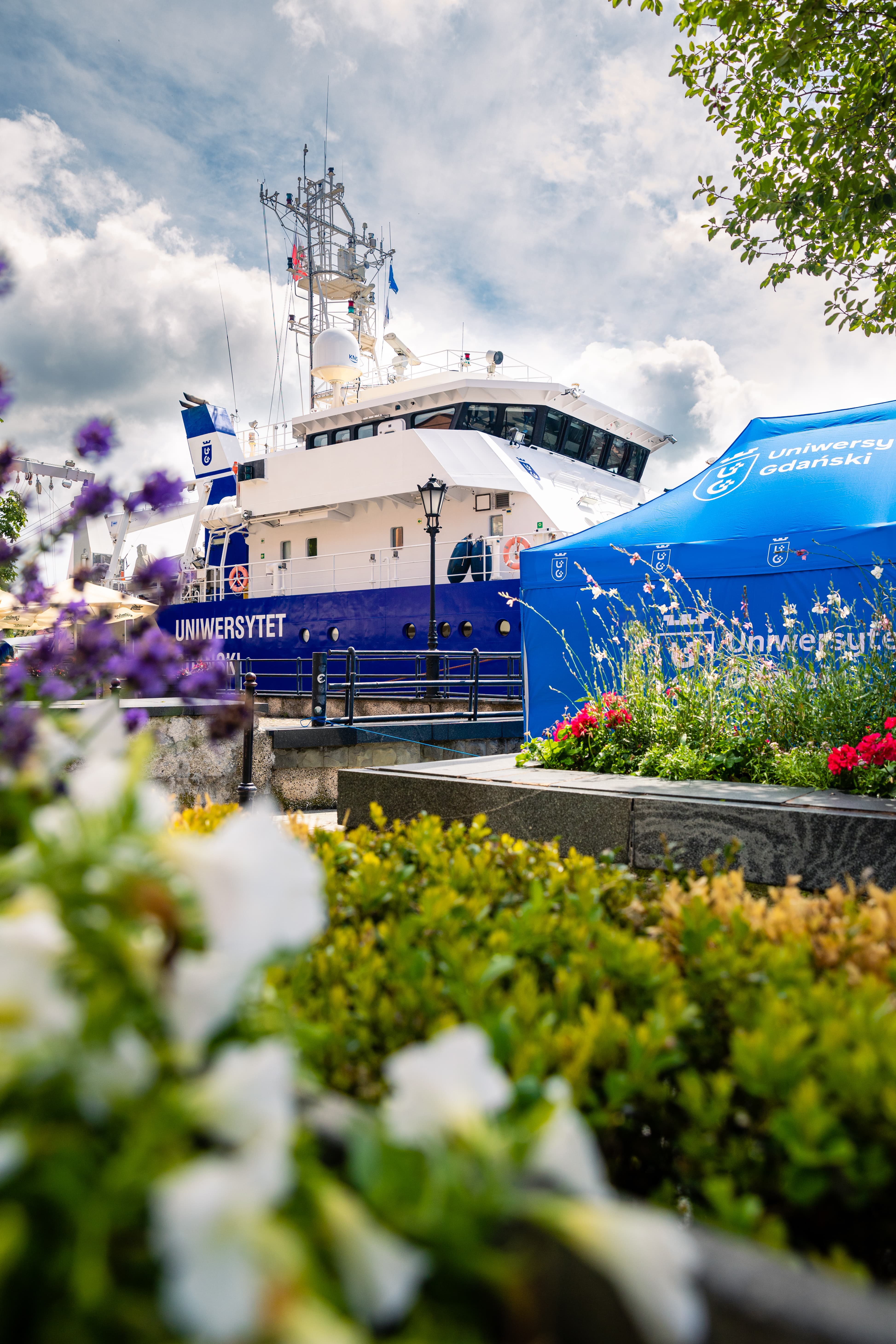
In the Earth and Environmental Sciences category, the Polish Research Fleet, comprising the research vessel r/v Oceanograf, has been included on the Map. This is a research vessel equipped to carry out specialised studies of the marine environment, including biological, chemical, physical and geological investigations.
‘The Polish Research Fleet provides a unique platform for comprehensive research into the Baltic Sea, combining the potential and expertise of the scientific institutions involved in the Tricity,’ says prof. Wiesław Laskowski.
The research potential of the r/v Oceanografa forms the foundation for the scientific projects carried out at the Faculty of Oceanography and Geography, which focus primarily on the Baltic Sea region. The vessel enables comprehensive research into the Baltic Sea environment, including Natura 2000 protected areas, the assessment of pollution levels, and the impact of human activity on the structure and functioning of coastal ecosystems.
‘The inclusion of the Polish Research Fleet project, featuring the r/v Oceanograf, in the Polish Research Infrastructure Map confirms the high quality of Polish research infrastructure and its strategic importance for the development of science. For the Faculty of Oceanography and Geography at the University of Gdańsk, this also confirms the role we play in the development of marine research in Poland and in building research capacity of national and international significance,’ notes the Dean of the Faculty of Oceanography and Geography dr hab. Katarzyna Smolarz, prof. UG.
The ability to carry out simultaneous physical, chemical, biological and geological measurements on board the vessel enables the development of modern environmental monitoring methods, hydrodynamic models predicting changes in the Baltic Sea, and research into the sustainable use of marine living resources.
The data collected during these voyages are also used to analyse the impact of contemporary climate change on the Baltic Sea environment, to assess the effects of investments and economic activities at sea, to study the social and economic significance of marine ecosystems, and to develop tools to support the management of marine resources and the protection of the marine environment.
The vessel also fulfils an extremely important educational role, providing students with the opportunity to acquire practical skills using world-class research infrastructure.
Biological safety of the region

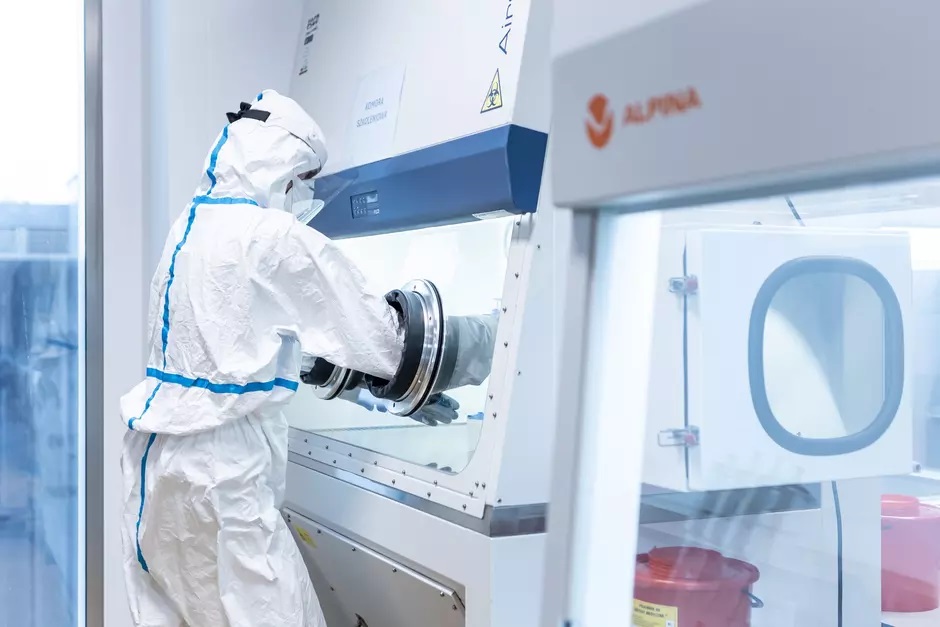
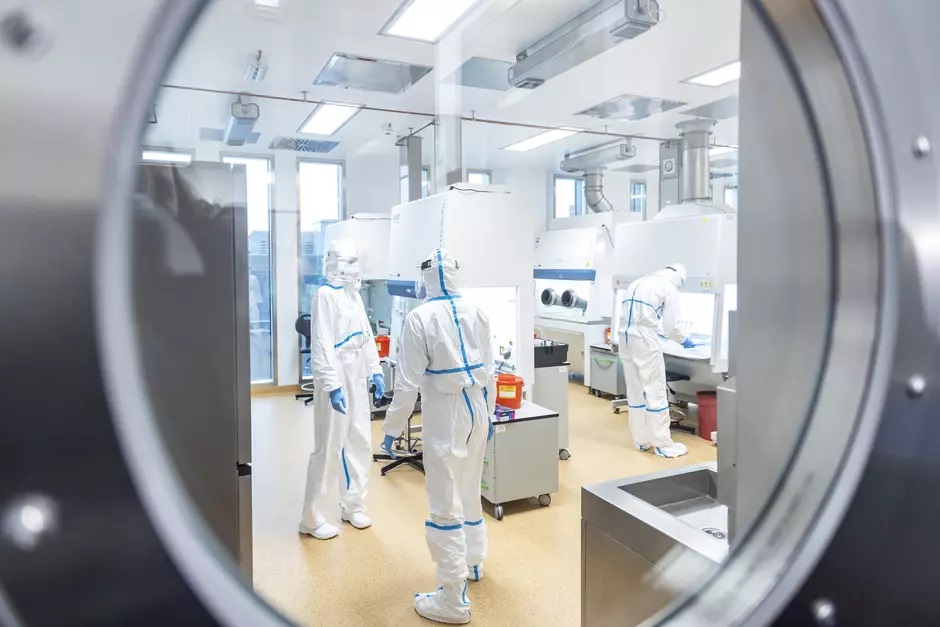
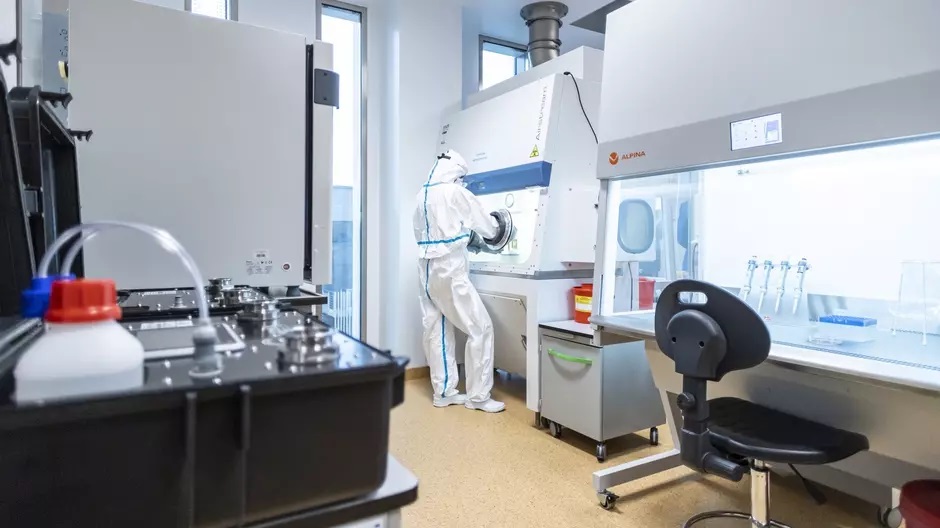
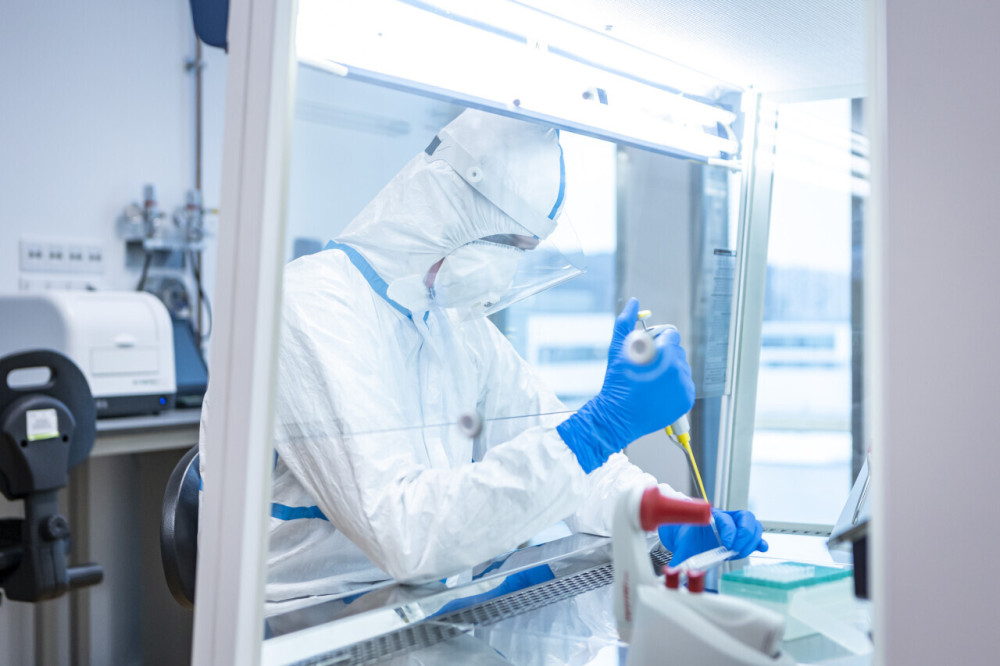
In the Biological, Medical, and Agricultural Sciences category, the Centre for Pathogen Research and the Development of Innovative Therapies, featuring a BSL-3+ laboratory, has been included on the Polish Research Infrastructure Map. The centre conducts research in the fields of virology, microbiology, immunology and molecular diagnostics, combining basic research with work offering high potential for practical application.
As Vice-Rector for Research emphasises: ‘The state-of-the-art BSL-3+ laboratory, alongside its primary scientific function, constitutes a vital link in the region’s biosafety system.’
‘The inclusion of the Centre for Pathogen Research and the Development of Innovative Therapies, with its BSL-3+ laboratory, on the Polish Research Infrastructure Map confirms the strategic importance of this infrastructure for the development of Polish science and the country’s biosecurity. For the Intercollegiate Faculty of Biotechnology UG and MUG, this is also recognition of the scientific and organisational potential of our academic community,’ says the Dean of the Intercollegiate Faculty of Biotechnology UG and MUG, dr hab. Ewelina Król, prof. UG.
Thanks to this unique infrastructure, researchers can conduct research into the most dangerous pathogens, investigate the mechanisms by which they operate, and develop innovative diagnostic methods, new therapies and vaccines. A key strength of the Centre is its ability to carry out comprehensive research - from basic research through to pre-clinical trials - which significantly accelerates the process of translating research findings into practical solutions for the protection of human, animal and plant health.
‘In the face of growing epidemiological threats and the emergence of new infectious diseases, the development of this type of infrastructure is of particular importance. “I am convinced that the Centre will play an important role not only in the development of modern biotechnology and medicine, but also in strengthening the national biosecurity system and building the international standing of Polish science,’ adds prof. Ewelina Król.
The highest potential for scientific excellence
The Polish Research Infrastructure Map was established on the initiative of the Minister of Science and Higher Education in 2009. It brings together infrastructure with the highest potential for scientific excellence, combining research potential in fields vital to the development of science and the country. Furthermore, it monitors Polish research institutions in terms of their investment policies, scientific resources and infrastructure.
The inclusion of research infrastructure on this list is a recognition of its research potential, but does not imply a commitment by the Ministry to fund it. Nevertheless, inclusion on the Map facilitates applications for grants from national and international programmes.