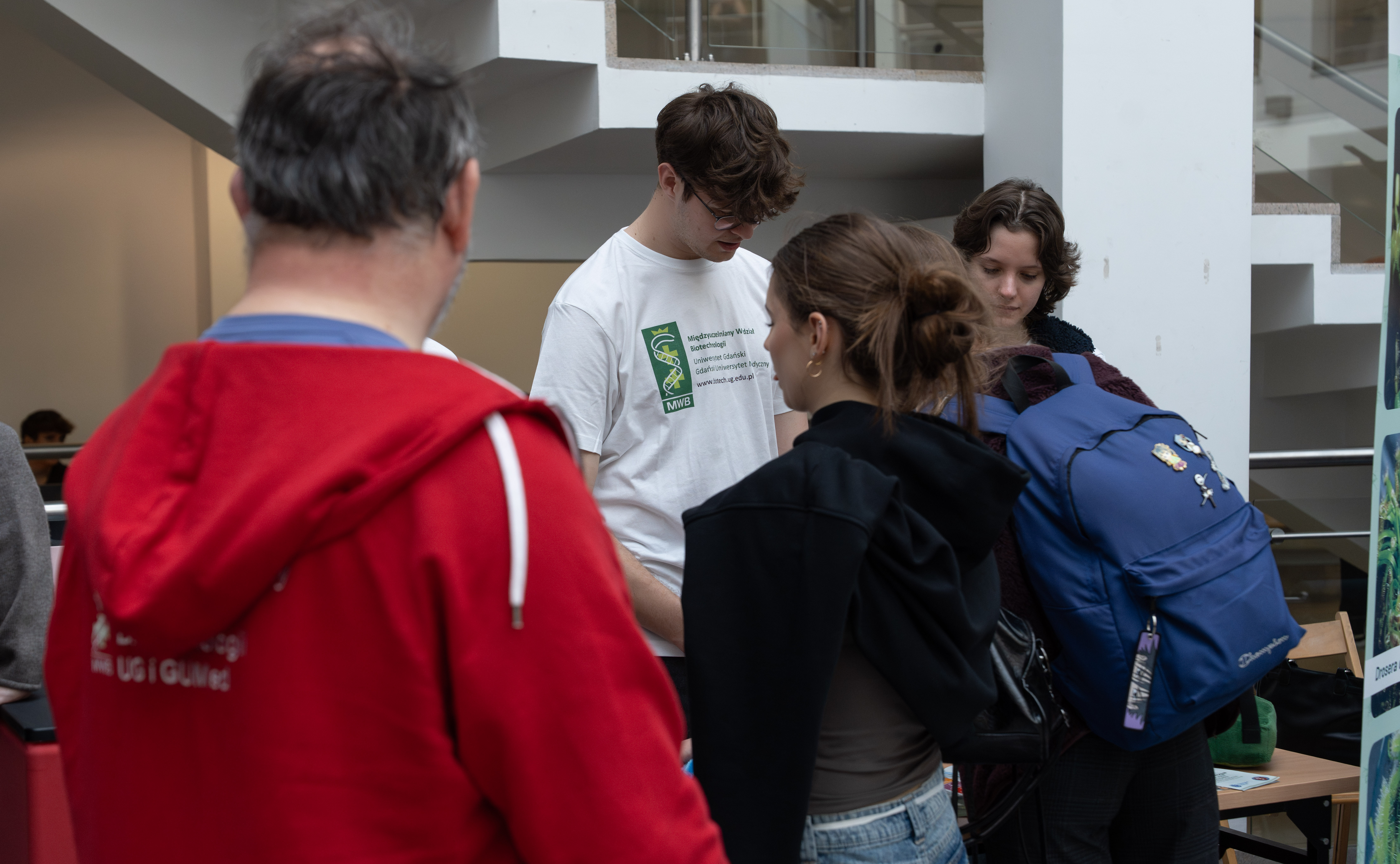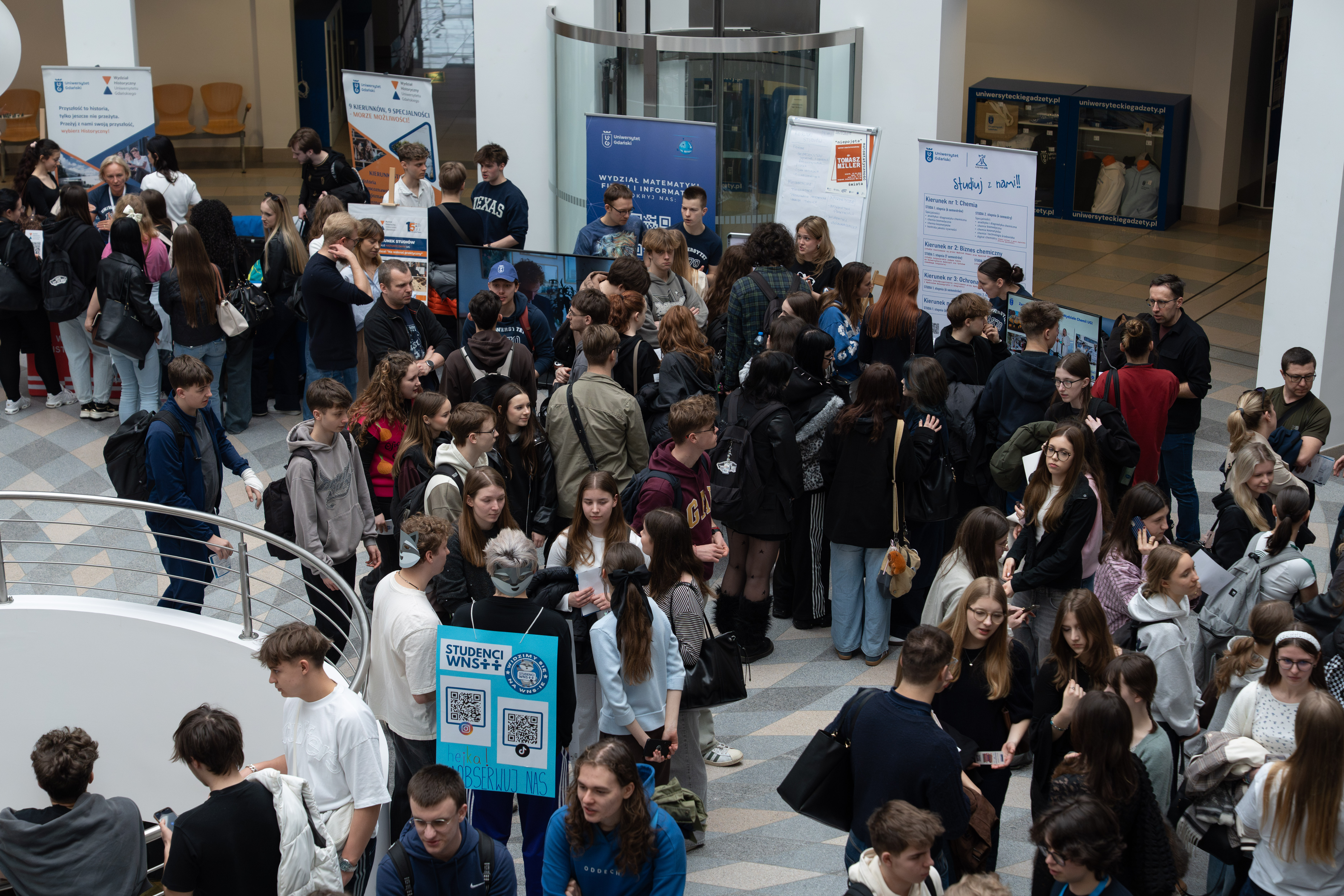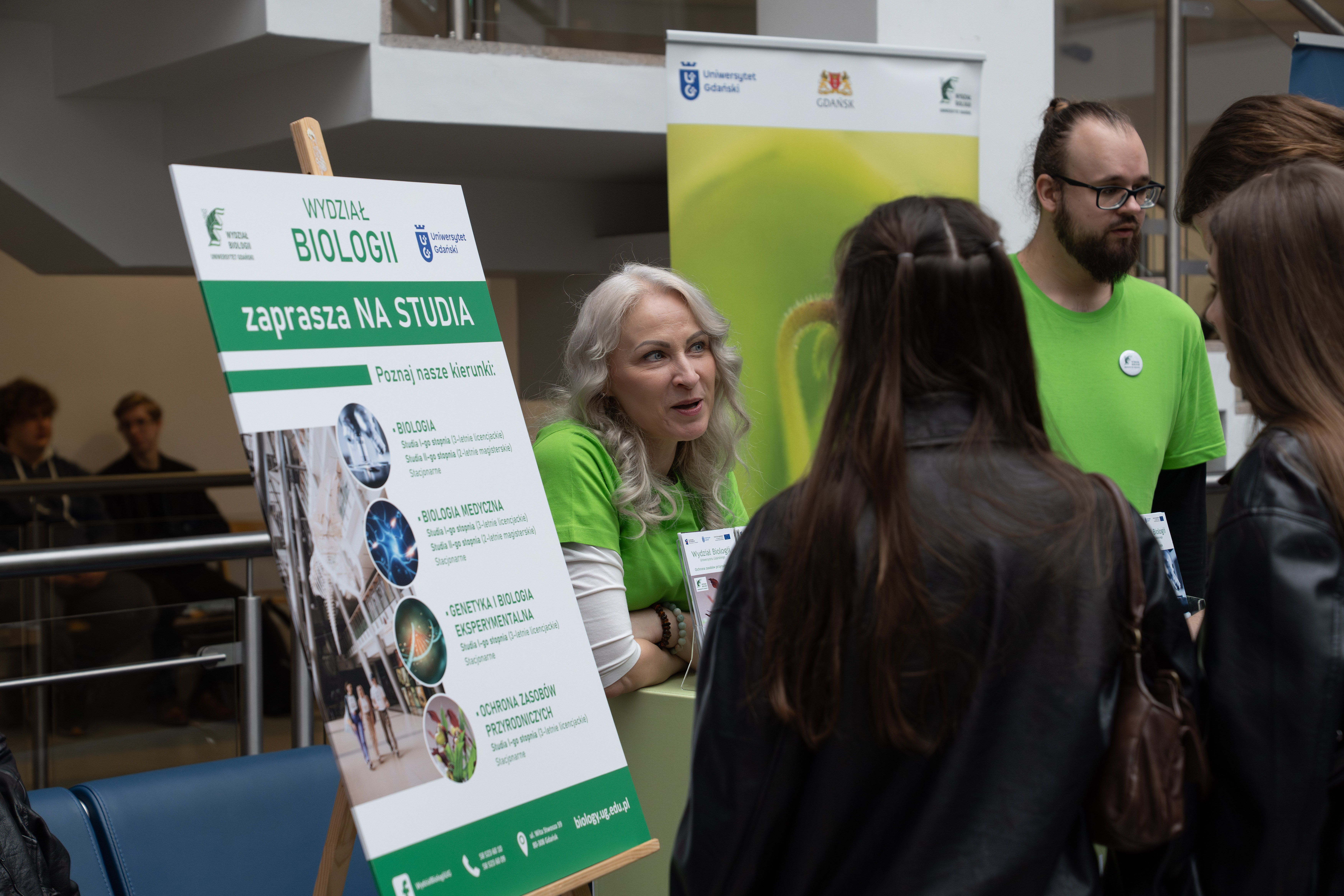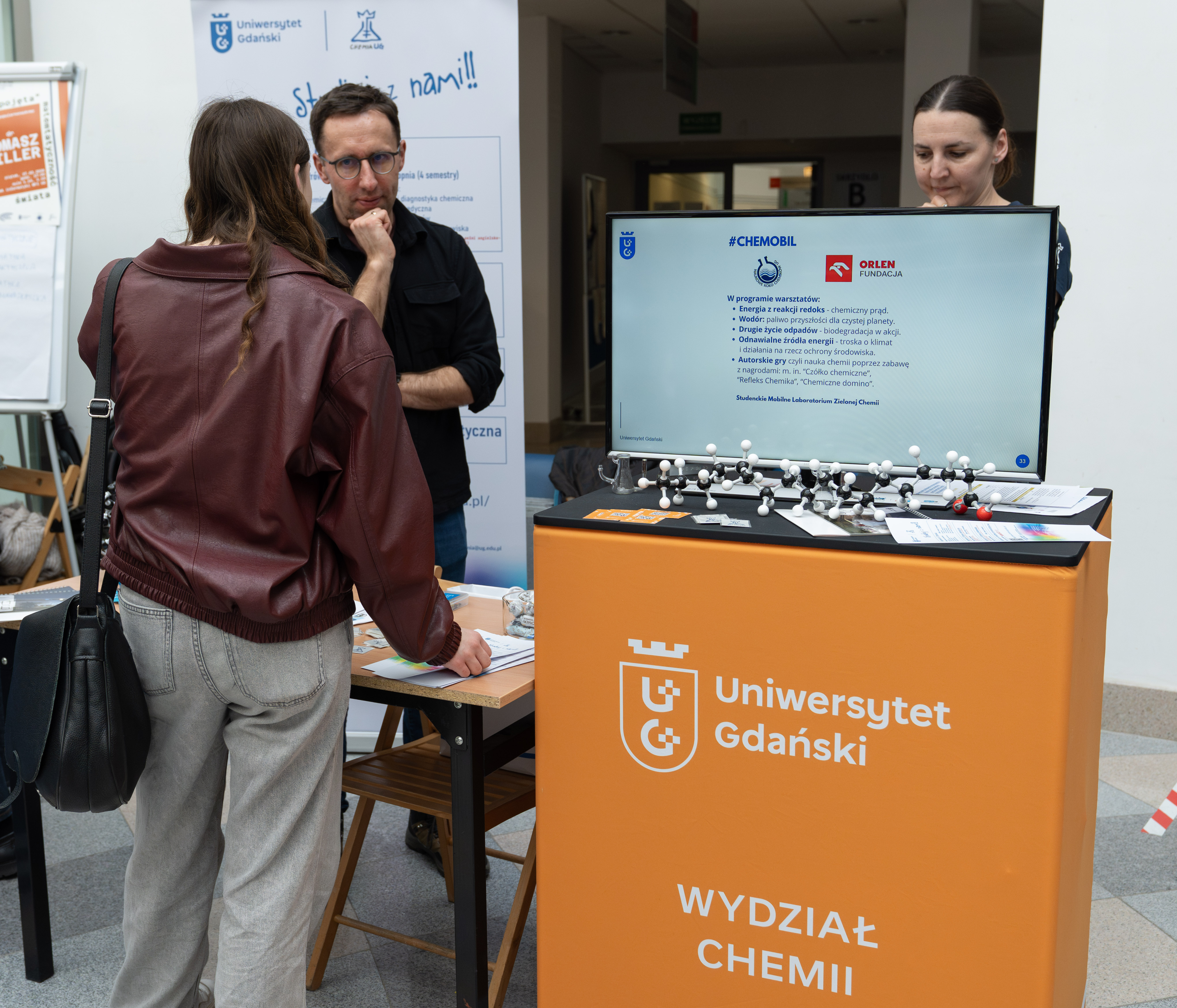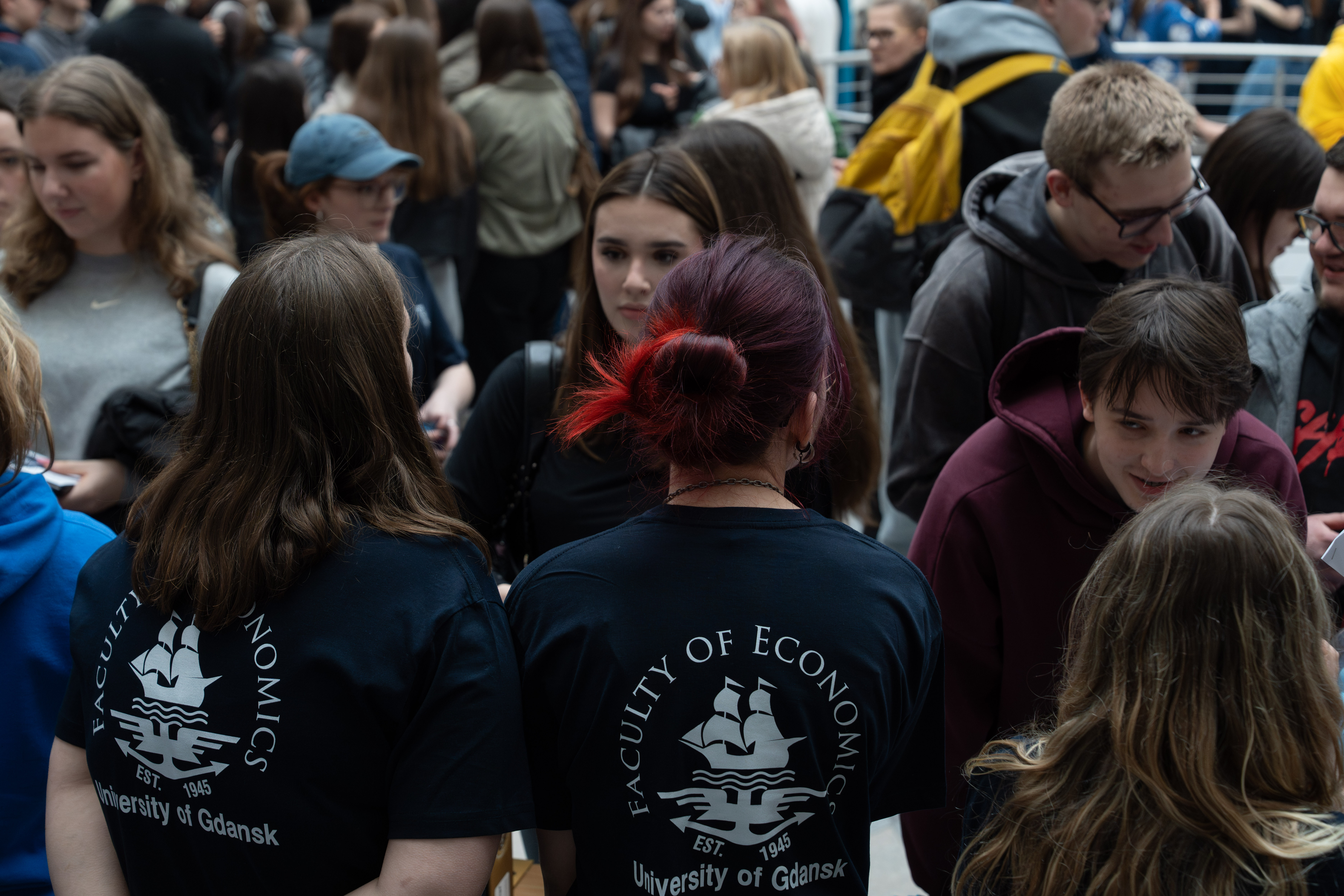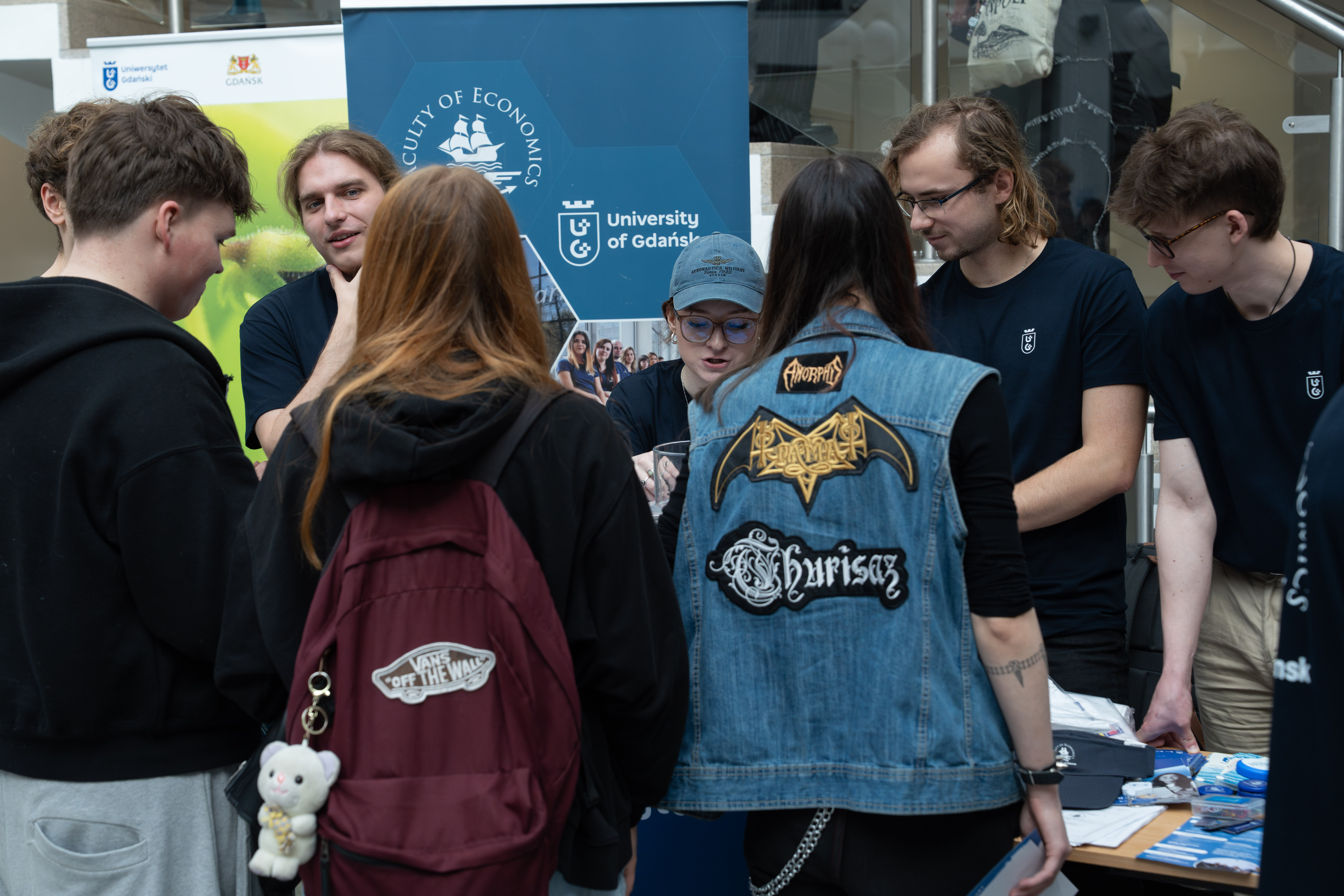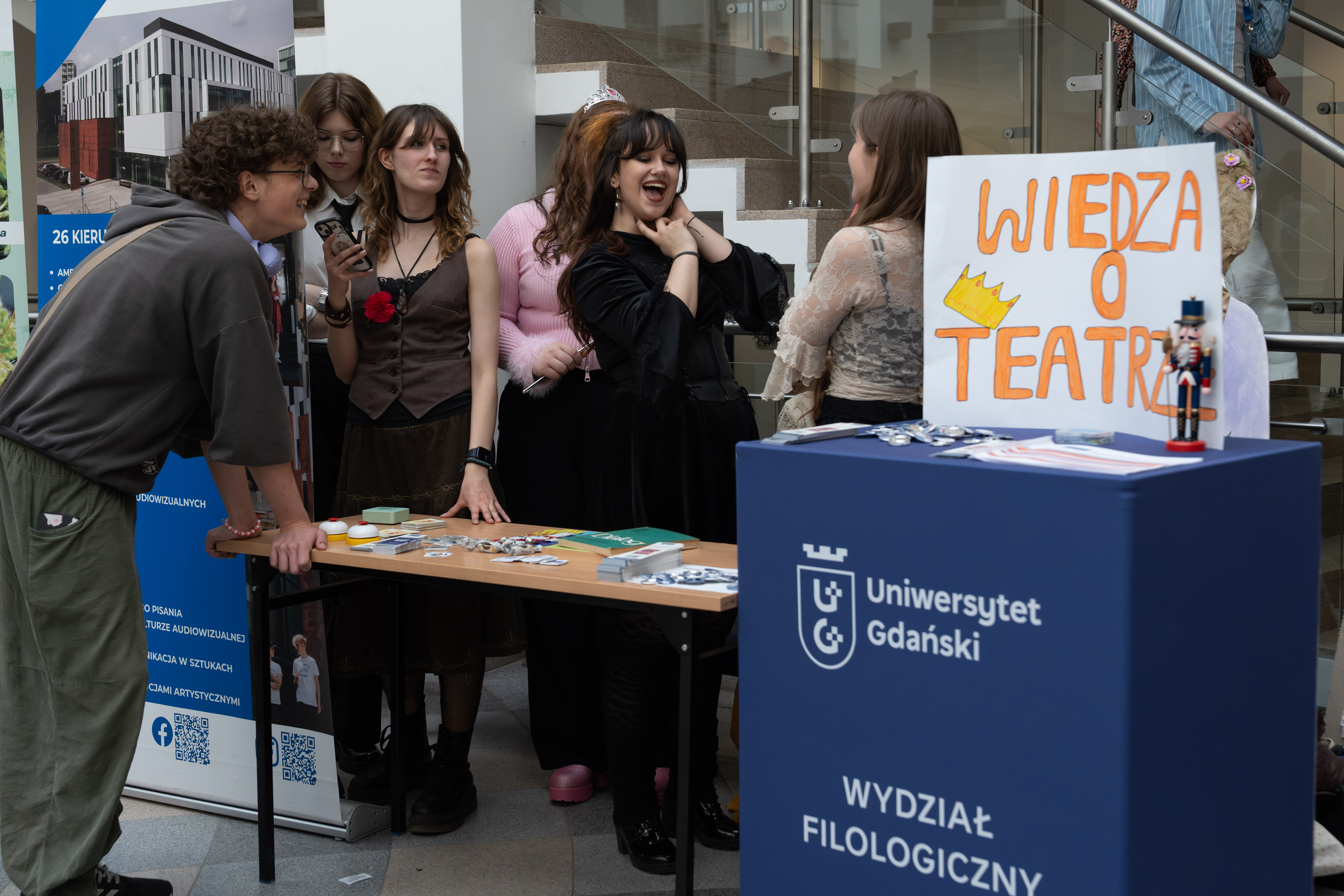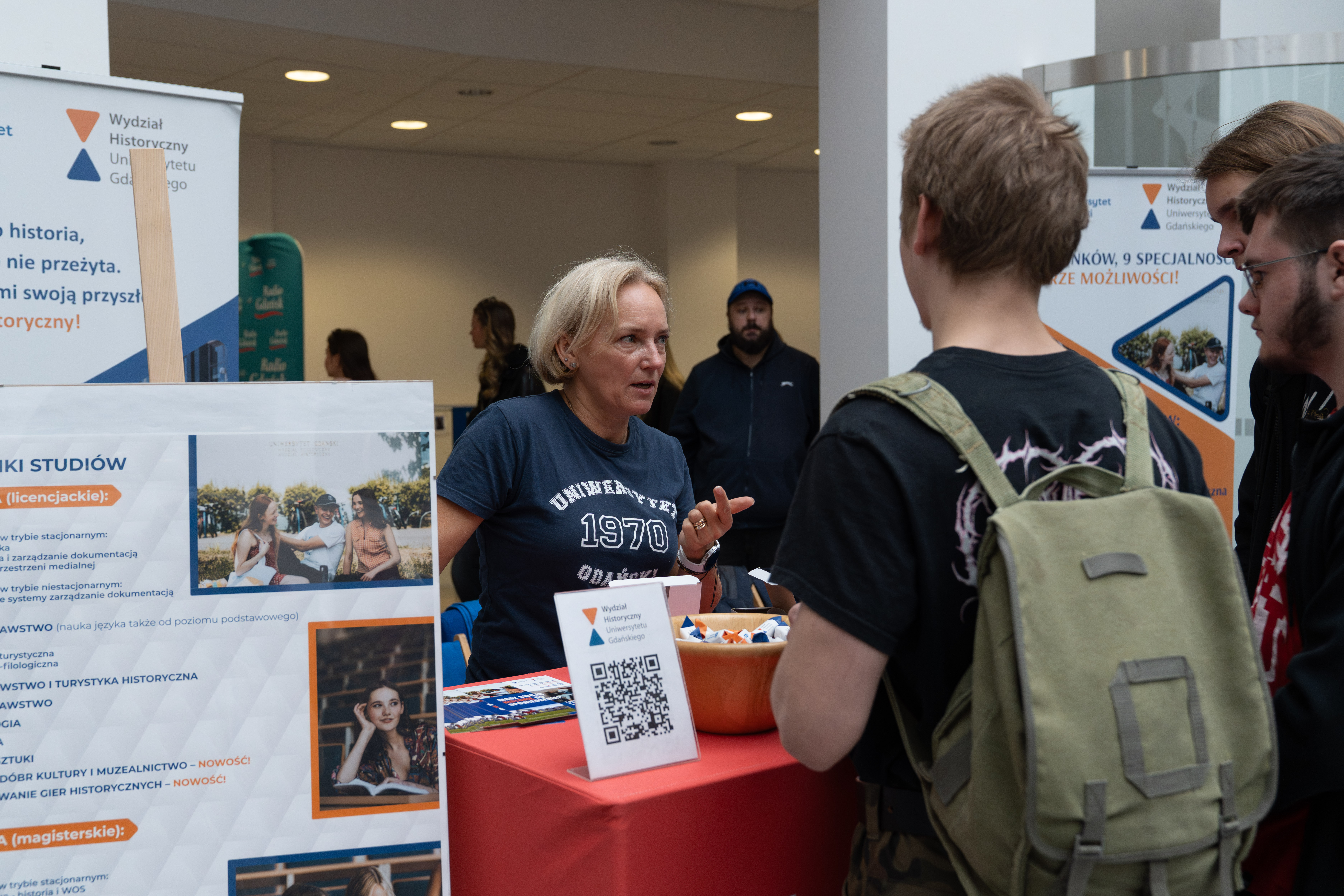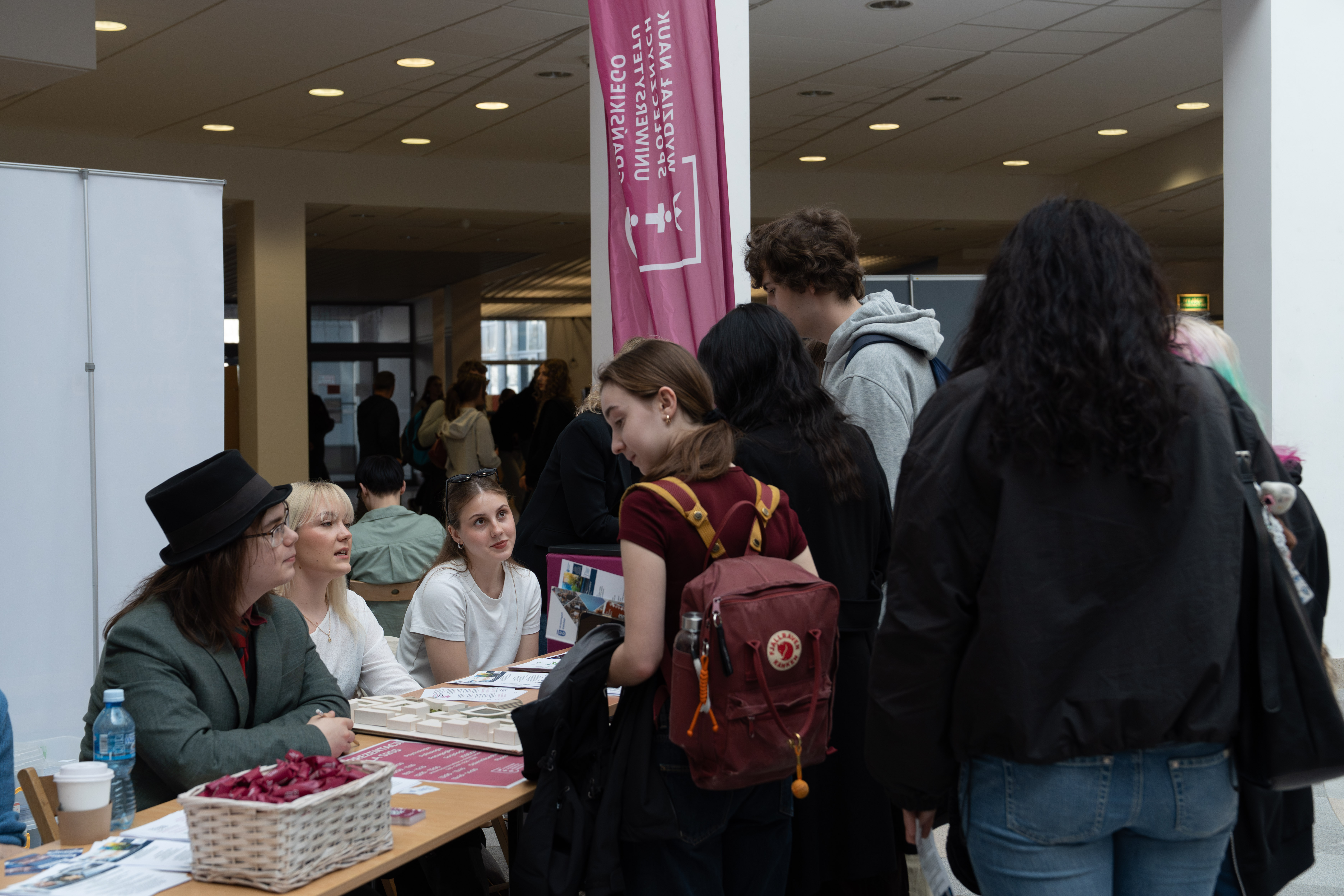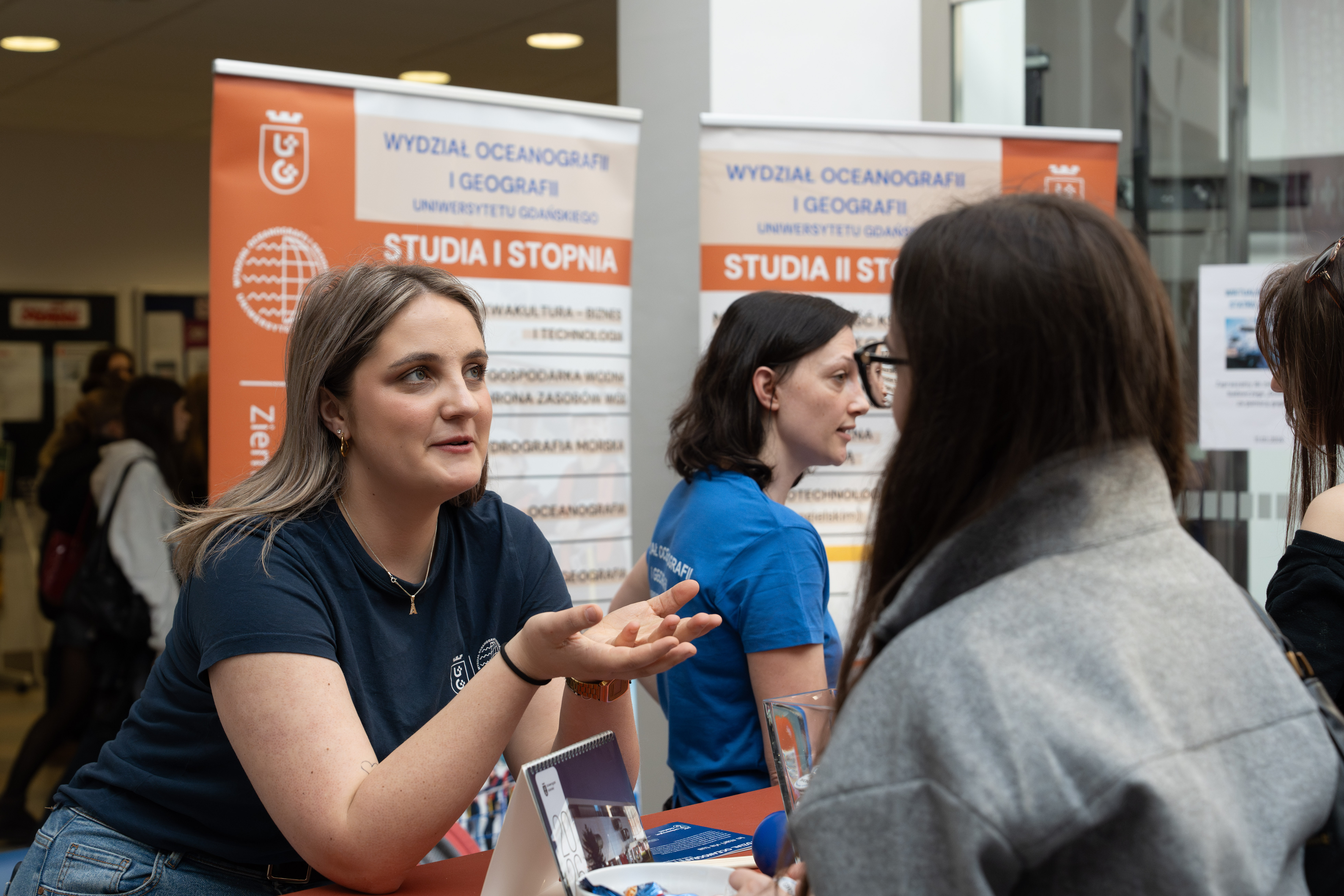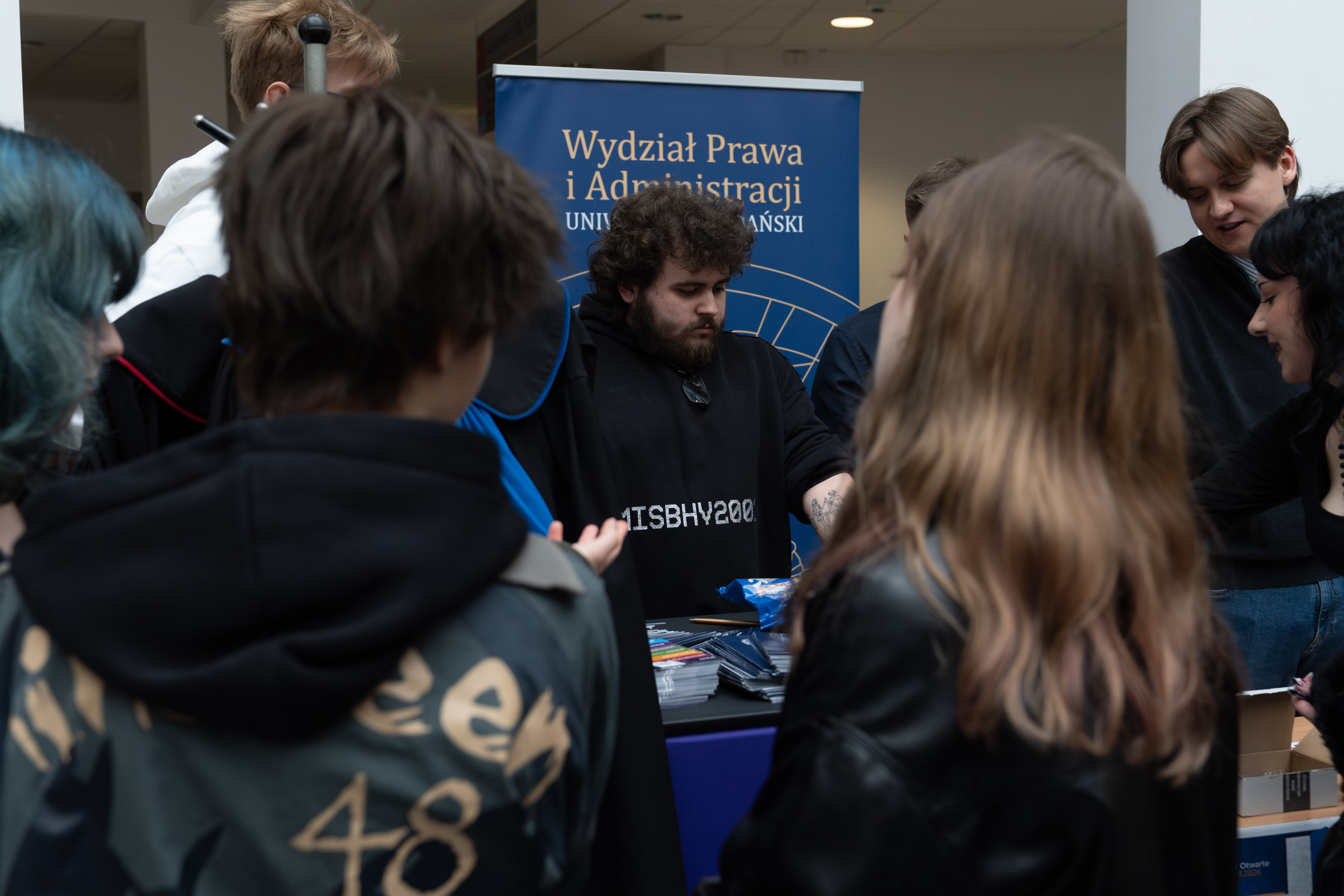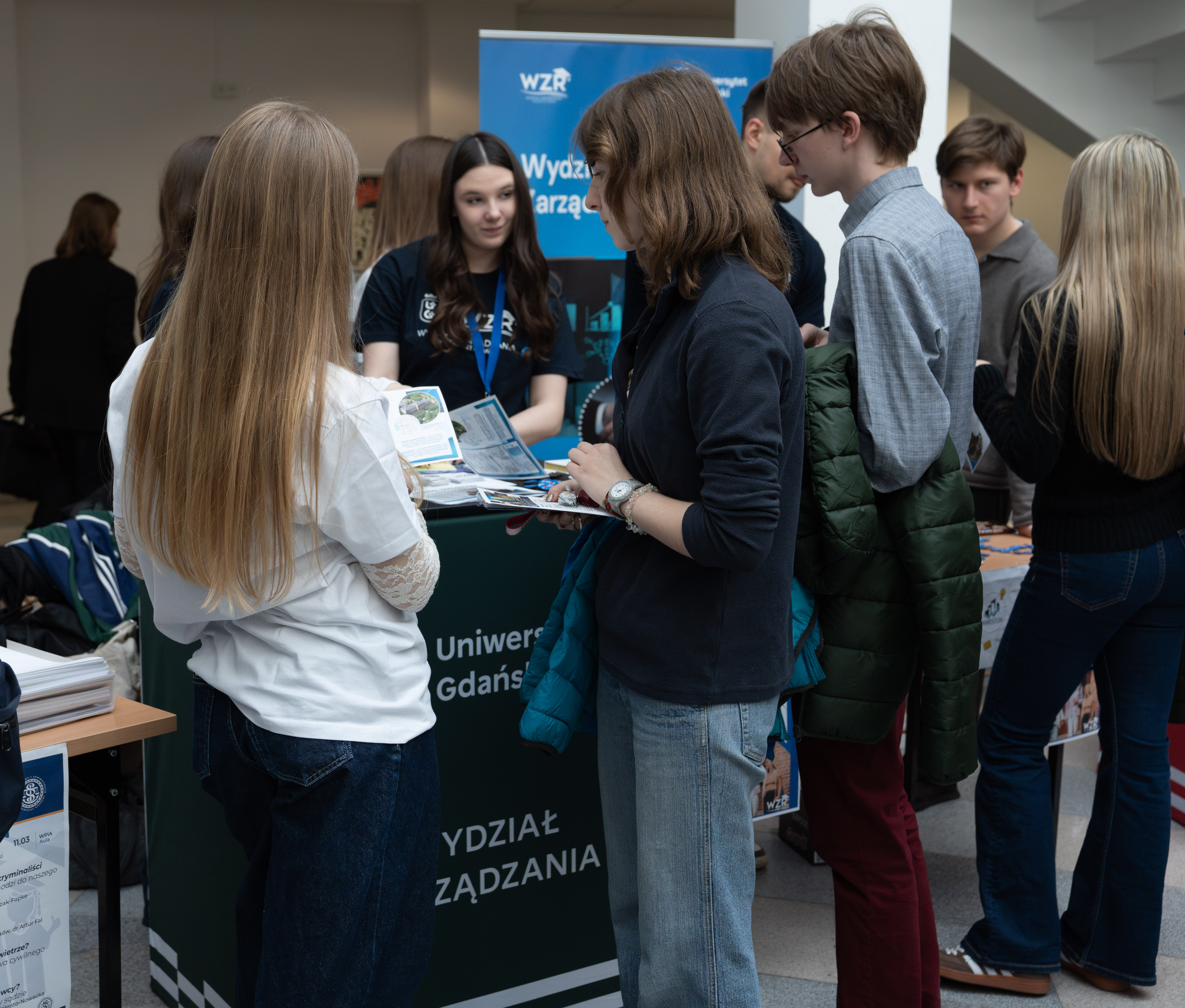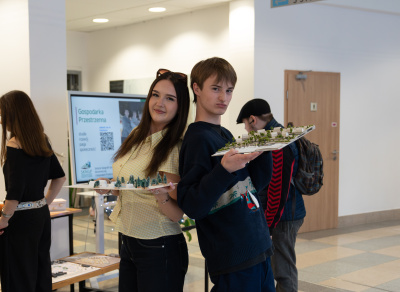
With over 50 themed stands, presentations and lectures, a tour of MORS Radio, and 11 faculties all in one place, visitors to the University of Gdańsk Open Day had no time to get bored. As every year, the event attracted a lot of interest, especially from school pupils considering studying at Pomerania's largest university.
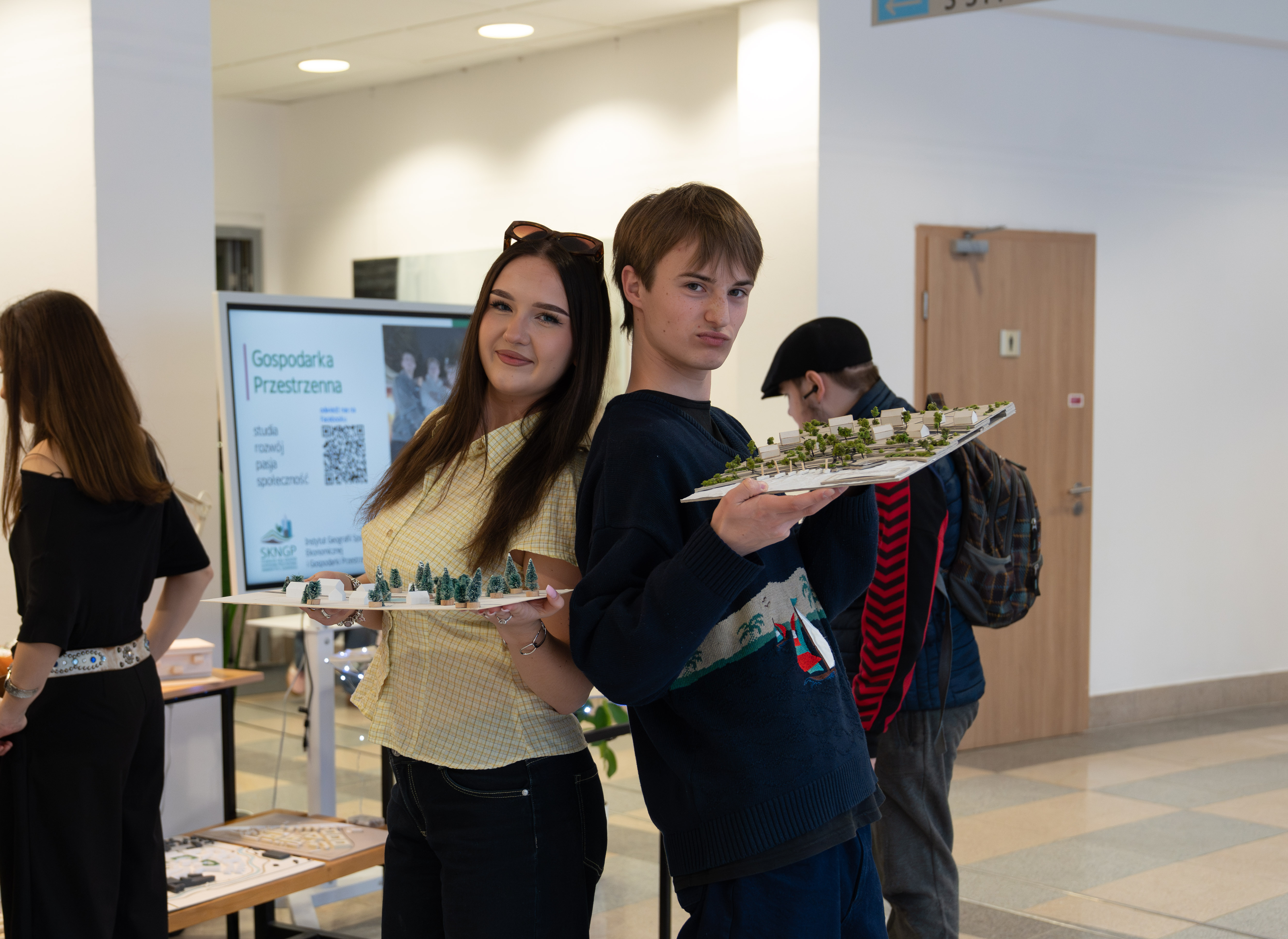
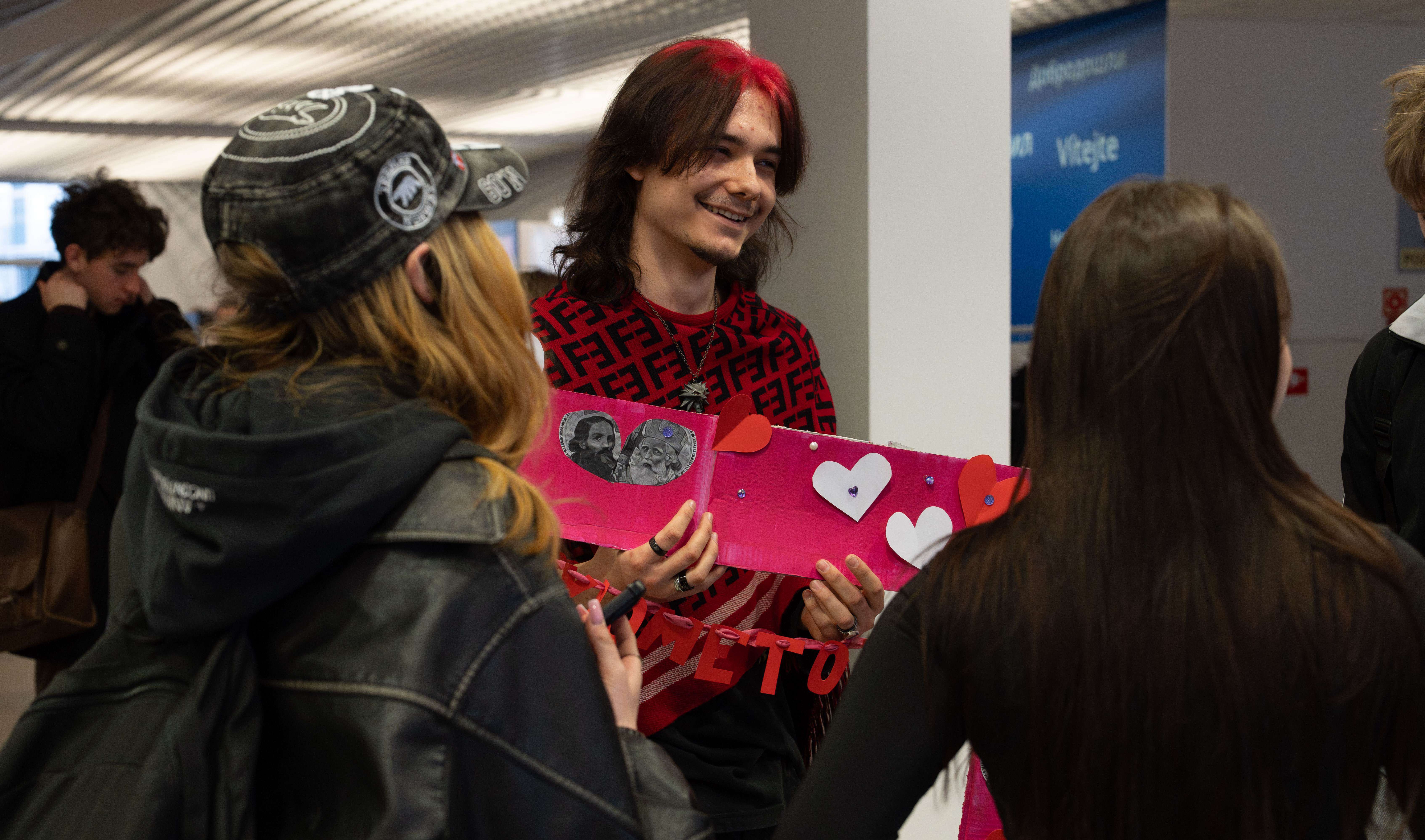
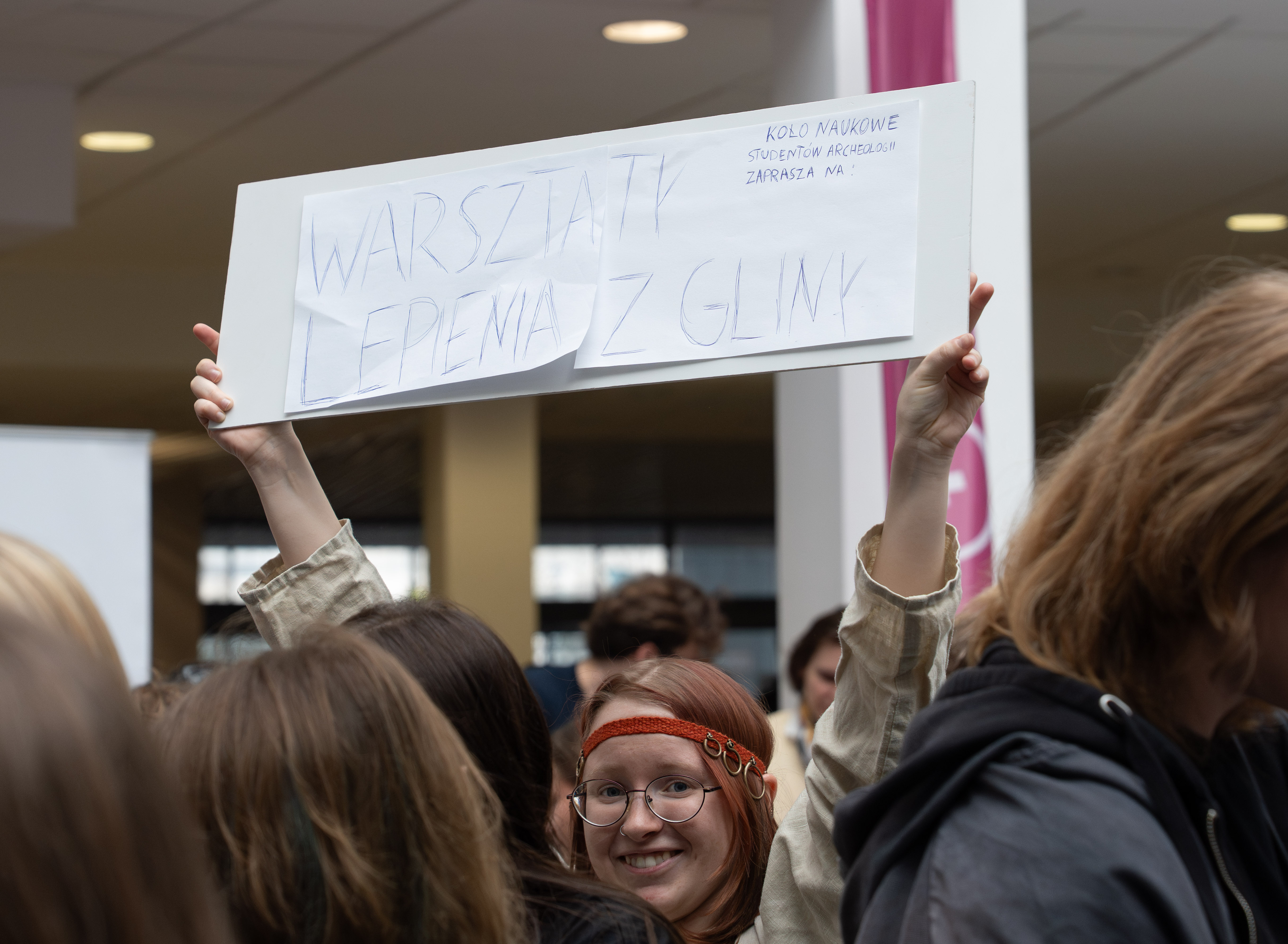
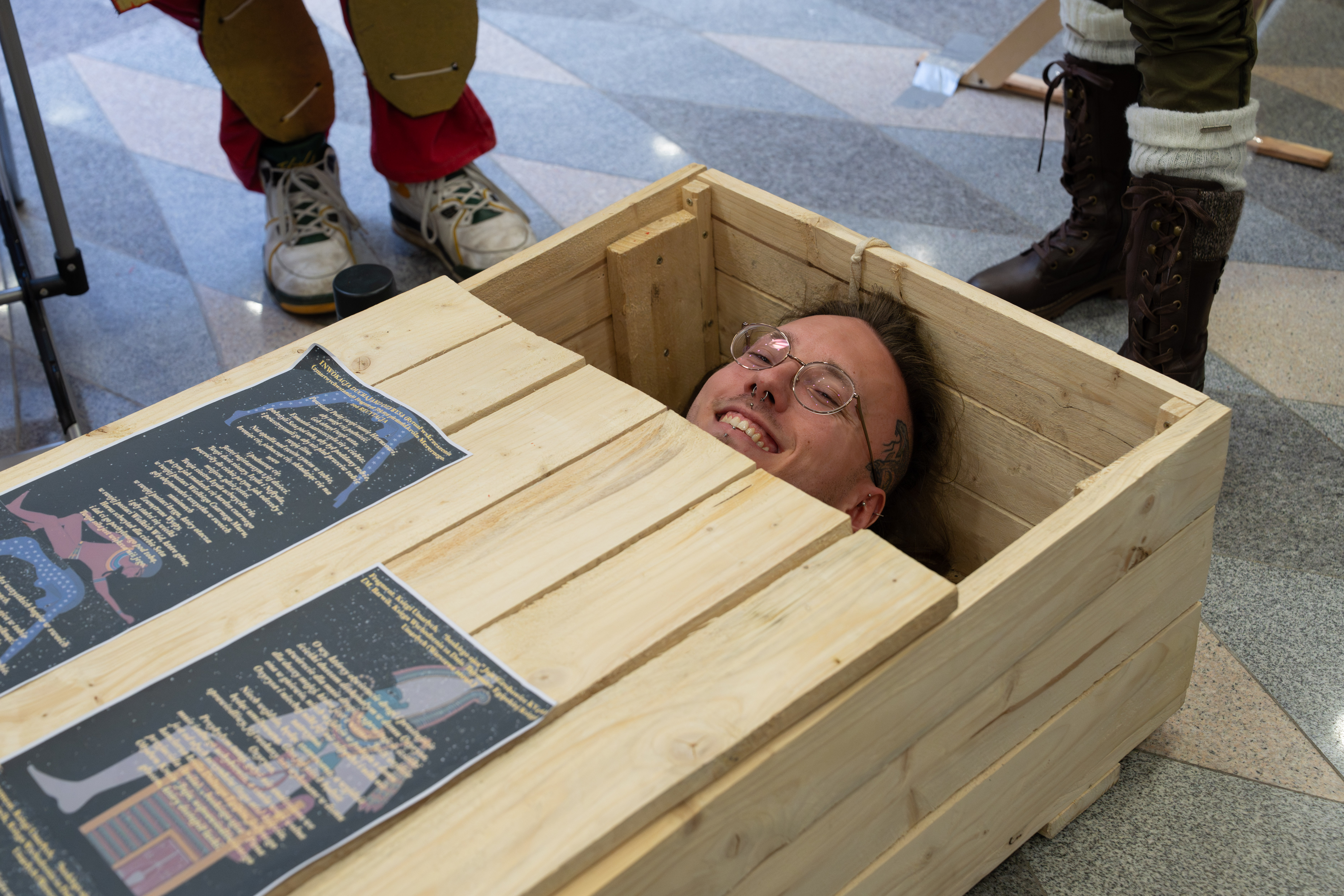
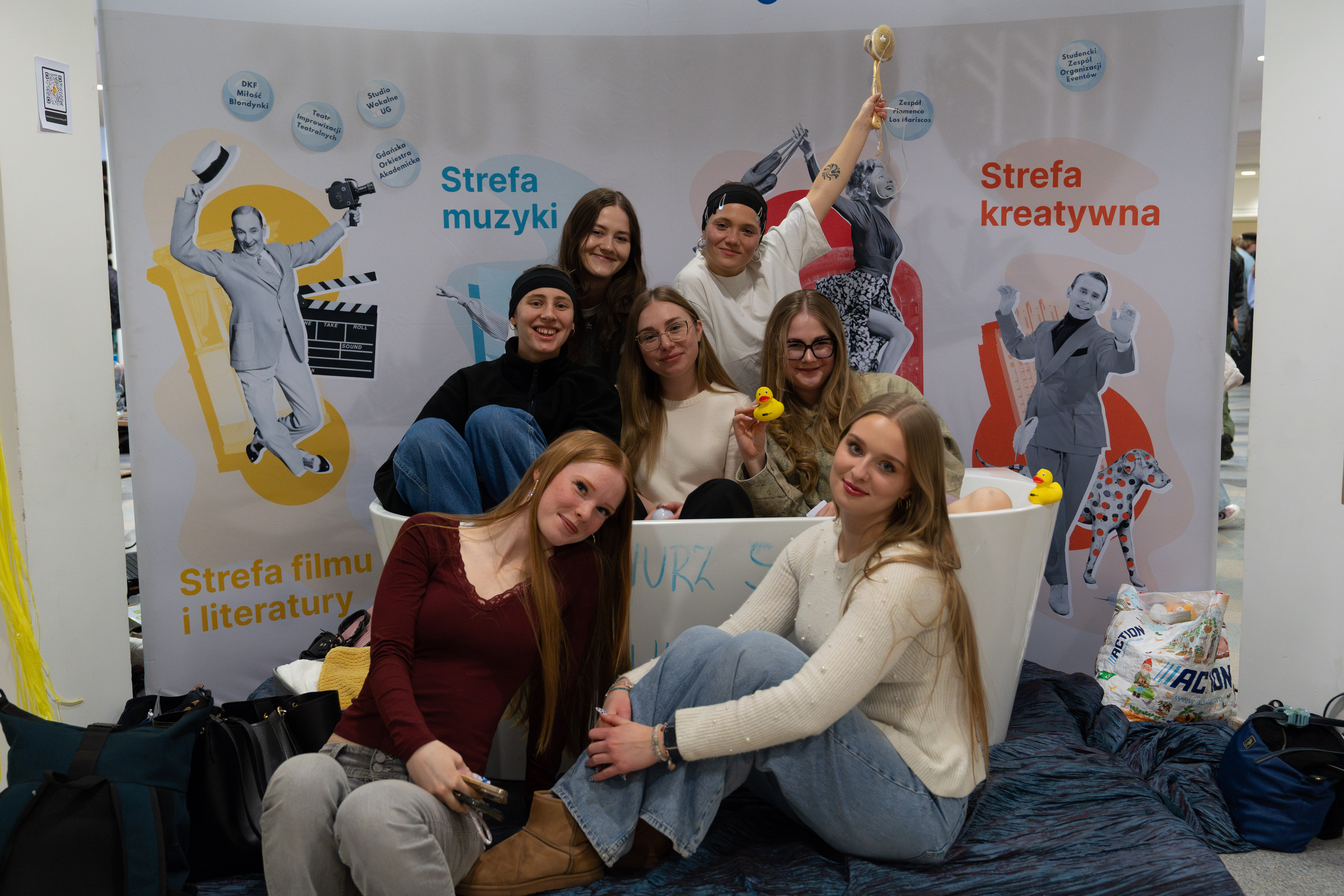
The Faculty of Social Sciences, which has been hosting the event for several years, presented representatives of faculties, organisations associated with the university and a wealth of research clubs. Students enthusiastically shared their passion for science in various forms. The stands offered almost everything: from prototypes of devices (e.g. a ‘wave generator’ - a water wave generator created with the participation of students from the Operational Geography Research Club), to numerous props related to fields of study, games and quizzes, to such unusual attractions as... a chest imitating a tomb, drawing the attention of visitors to the Mediterranean Archaeology Research Club.
‘I am glad that it is the Faculty of Social Sciences that is hosting the Open Days,’ said the Dean of the Faculty, prof. Michał Harciarek. ‘There is nothing more wonderful than discovering new patterns in human behaviour, whether in economics, politics, psychology or biochemistry. Everyone who came here can see how wonderfully the research clubs function and how rich the offer of the University of Gdańsk is. All this in the setting of an exhibition of works by students of the Academy of Fine Arts in Gdańsk and in a wonderful atmosphere.’
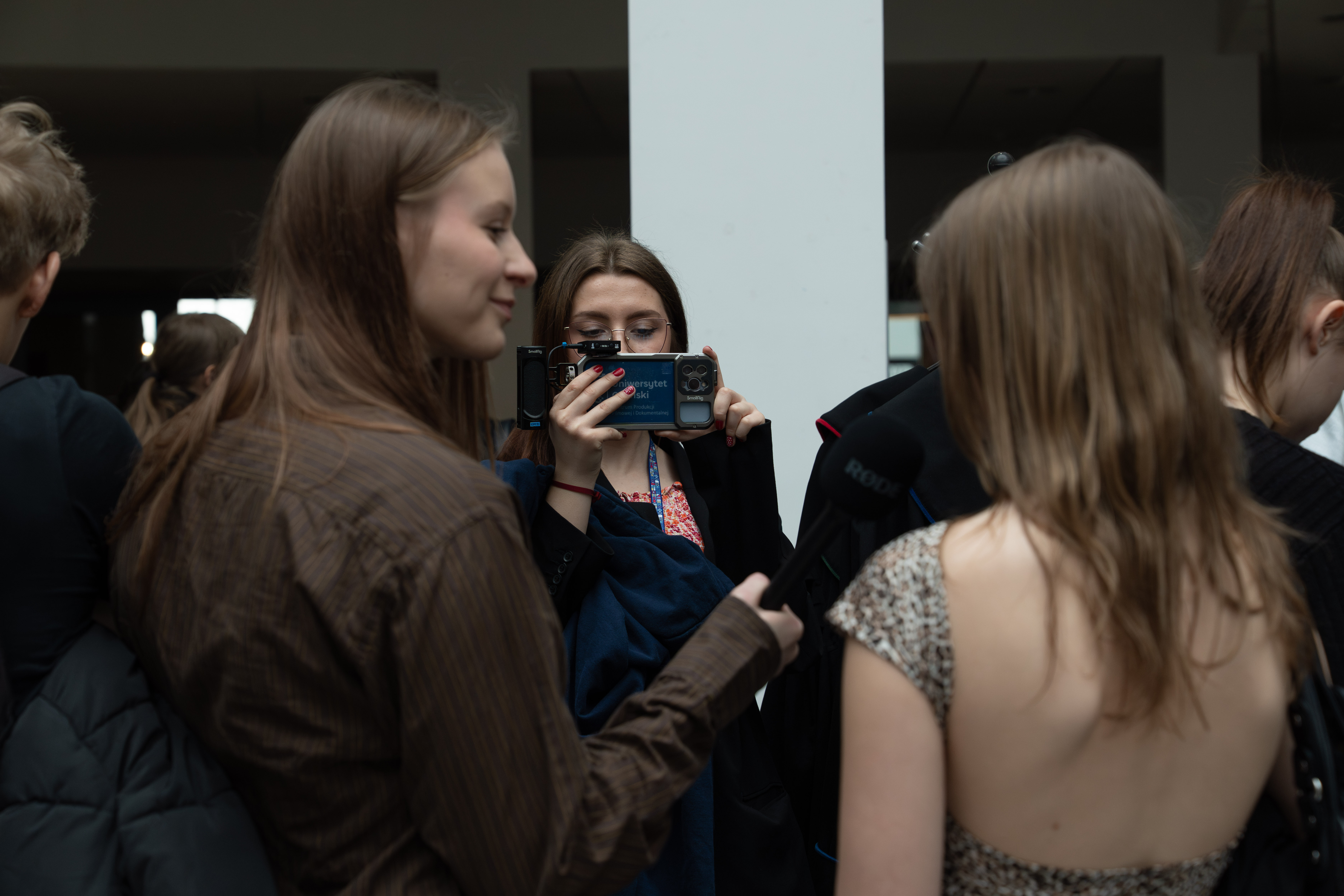
Among the attractions were student media outlets such as Neptun TV and MORS Radio. Tours of the radio studio were consistently very popular.
‘This shows that the old, traditional, analogue medium of radio is still needed and can function in the era of social media and AI,’ noted Kamil Sylak-Kozłowski, one of the station's editors. Why is it worth joining MORS Radio? ‘As the [Polish - ed. note] acronym suggests, we are a mega open student radio station. Anyone can come to us, not just journalism students. There are various programmes, e.g. sports, culture, and music news. And anyone here, if they prove themselves, can also propose their own programme, their own format. So it's also a very good place to develop your skills and passions.’
The huge variety and creativity of the attractions prepared by the student community was striking. Those who were interested could check their relaxation level using a Biofeedback device, take part in knowledge tests, get involved in manual activities or join the socio-fight, i.e. a tour of the Faculty of Social Sciences and the University of Gdańsk campus organised by sociology students.
Dr Karolina Ciechorska-Kulesza, who accompanied this group, spoke very warmly about the members of the research clubs: ‘The students know very well how to reach these young people. They are incredibly creative. If you give them a minimum of opportunities, a little space to act and allow them to do so, they come up with great things.’
At the stands of the faculties and the Admissions Office, visitors could familiarise themselves with the current educational offer prepared by the University of Gdańsk. What were the most frequently asked questions by school pupils? According to the staff of the Admissions Office, these were mainly practical questions, e.g. about requirements or thresholds related to the chosen field of study. The people we spoke to came with different expectations: some of them wanted to learn more about their chosen field of study, some were still looking for their own educational path, and some simply wanted to get to know the University of Gdańsk, with which their future is connected. Thanks to the presence of the Erasmus Student Network, it was also possible to learn about opportunities for foreign exchange.
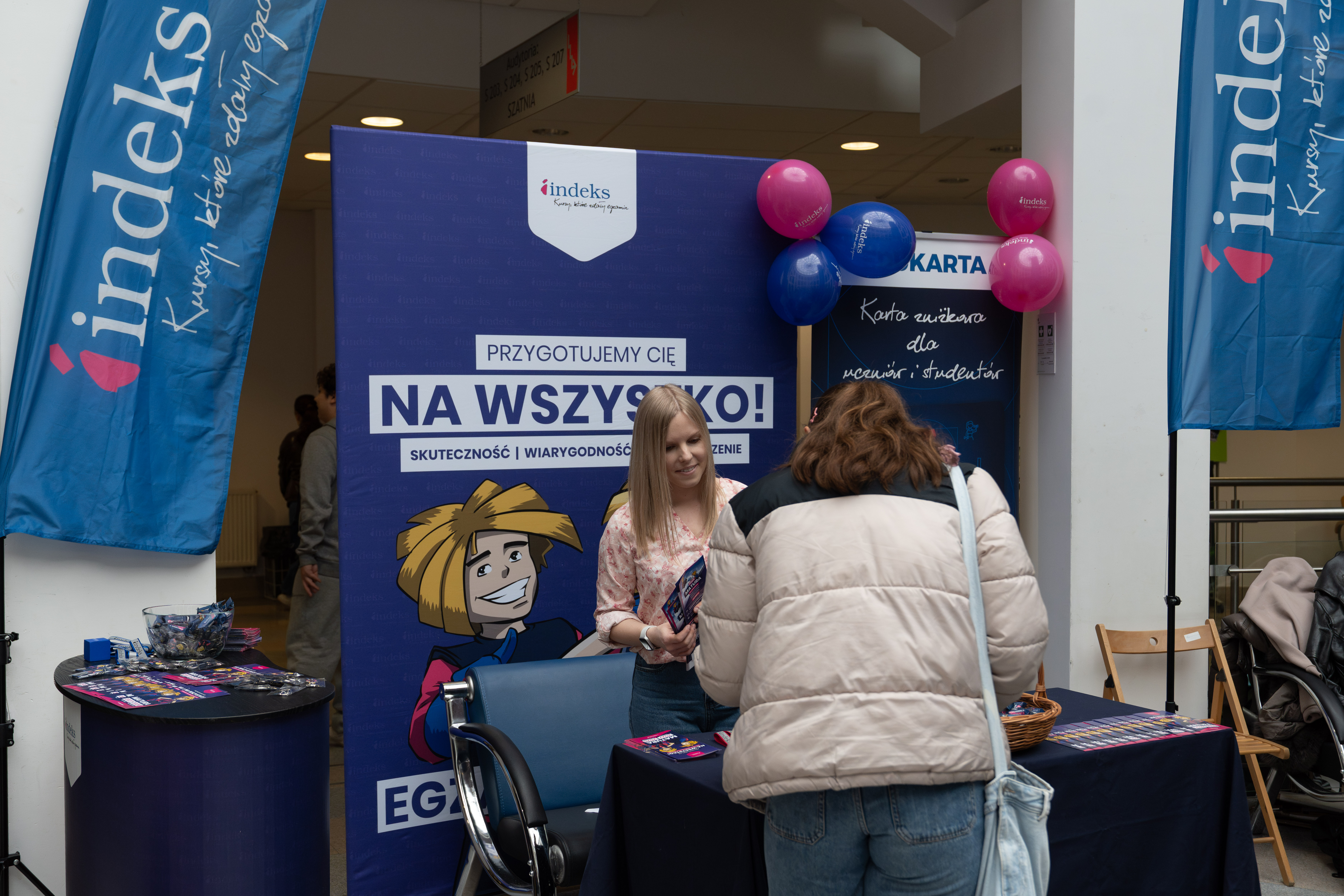
Those who were interested could test themselves during mock matriculation exams organised by Indeks (11 and 12 March).
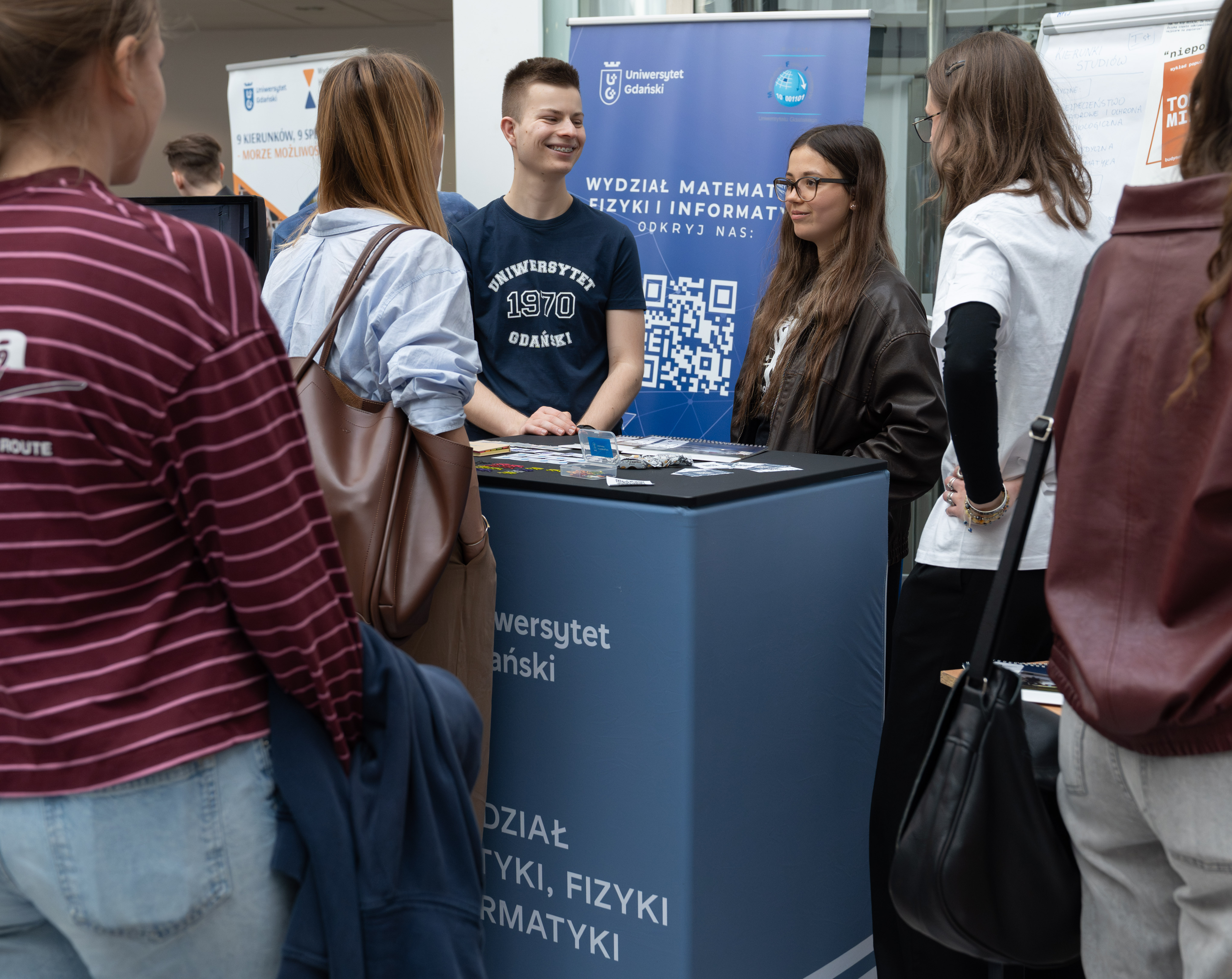
The best ambassadors of the University of Gdańsk were the students themselves, who not only answered questions and shared their knowledge about studying a given field, but above all infected others with their enthusiasm.
‘We have lecturers who are really happy to share their knowledge with us; they are happy that we are here and asking questions. So if you are eager to ask questions and explore the world, physics is perfect for you!’ argued the physics students.
The Open Day also demonstrated the ability of young people to cooperate – not only between individual departments, but also between universities. One result of such cooperation is the DepressionControlApp.
Parallel to the UG Open Day, faculty events were held. Attractions for future students were prepared by units located on the Oliwa campus: the Faculty of Social Sciences, the Faculty of Chemistry, the Faculty of Languages, the Faculty of Law and Administration, and the Faculty of Mathematics, Physics and Informatics.
Although the University of Gdańsk Open Day has come to an end, events at the faculties are still ongoing! On 13 March, the Faculty of Languages will present the Institute of Culture Studies (offering courses in Cultural Studies, Audiovisual Production, and Film and Audiovisual Culture). In turn, the Sopot faculties of our University - the Faculty of Economics and the Faculty of Management - invite you to their Open Days on 25 March.
Video: Mateusz Byczkowski i Sebastian Jętczak/COWiPM