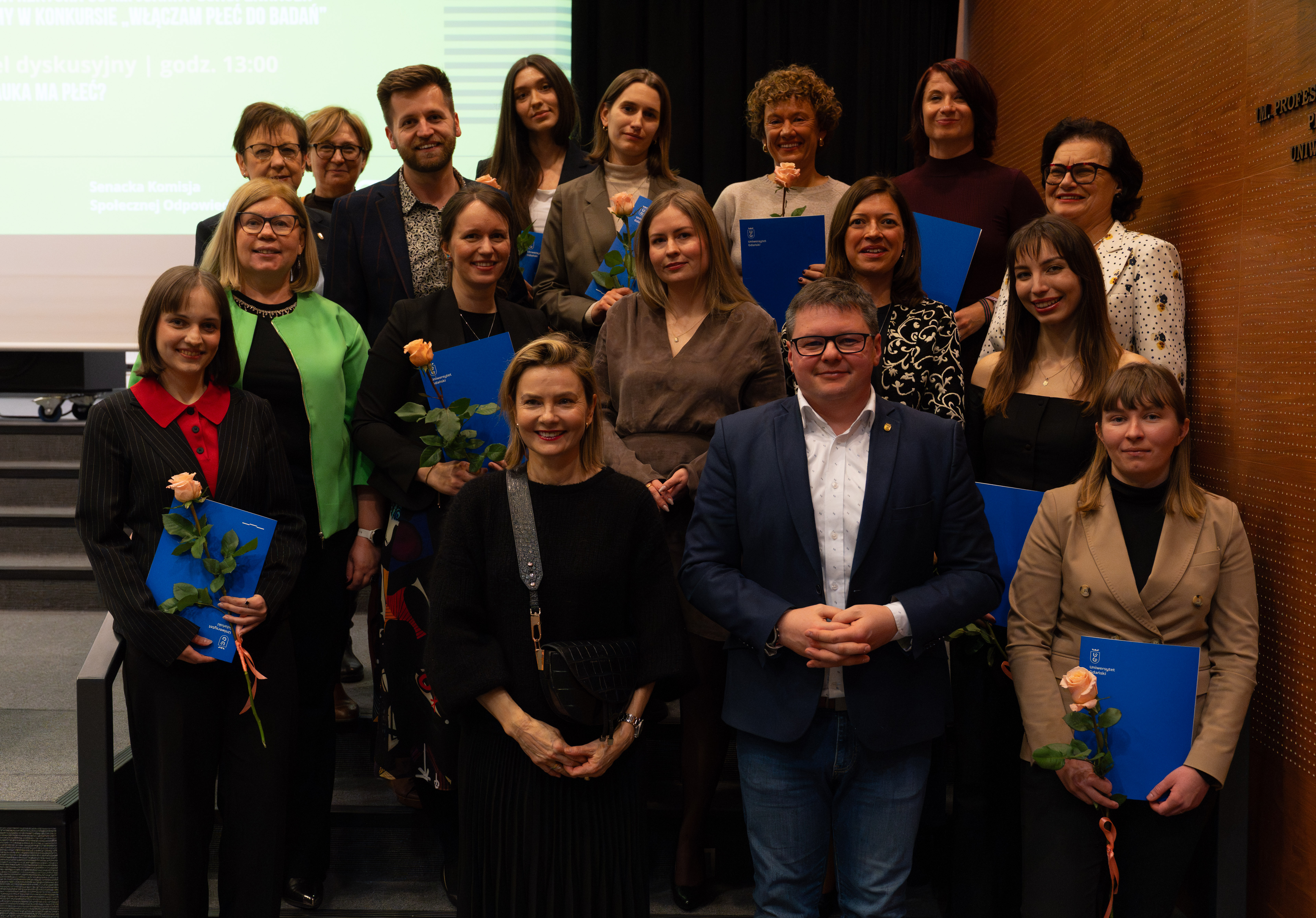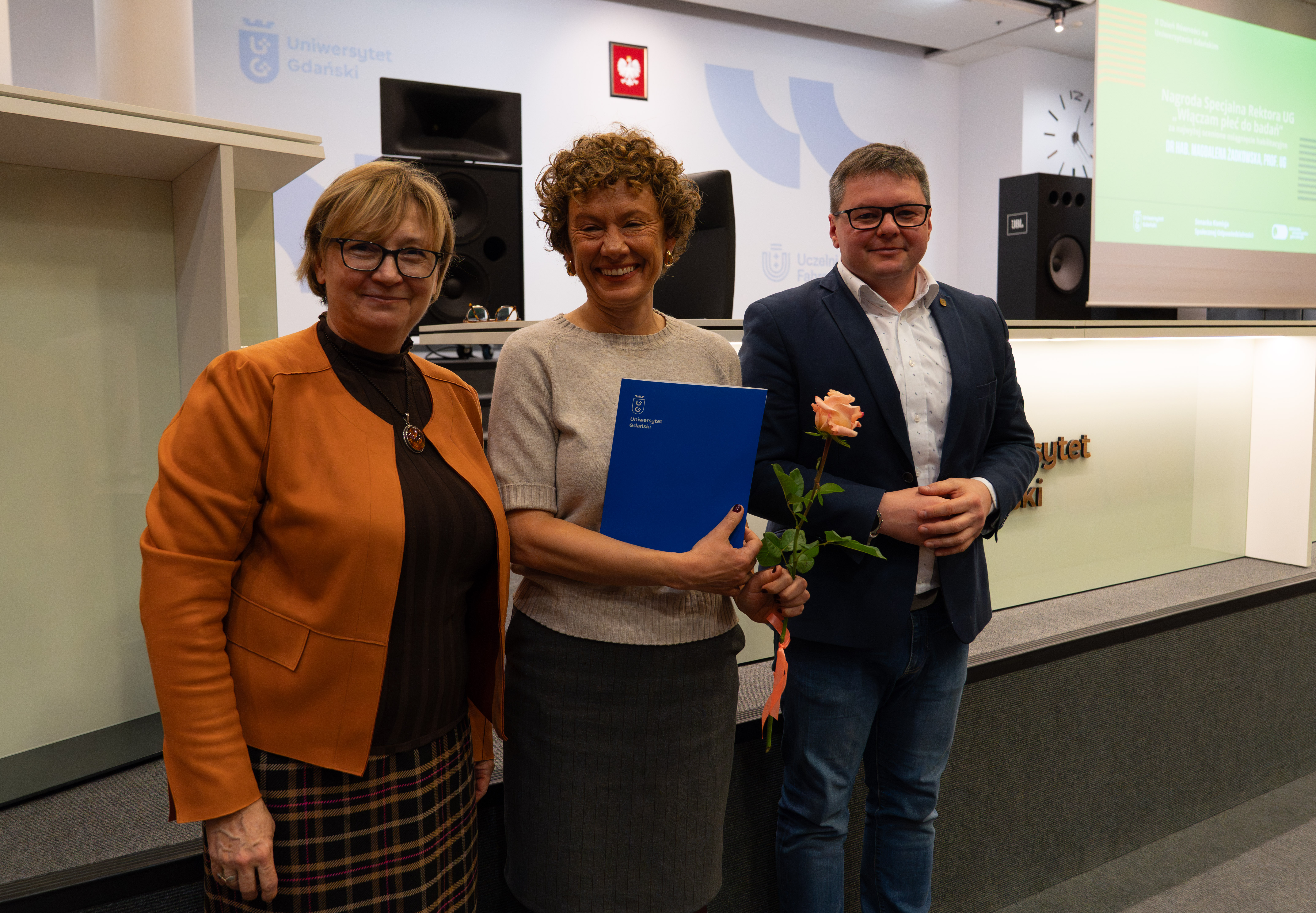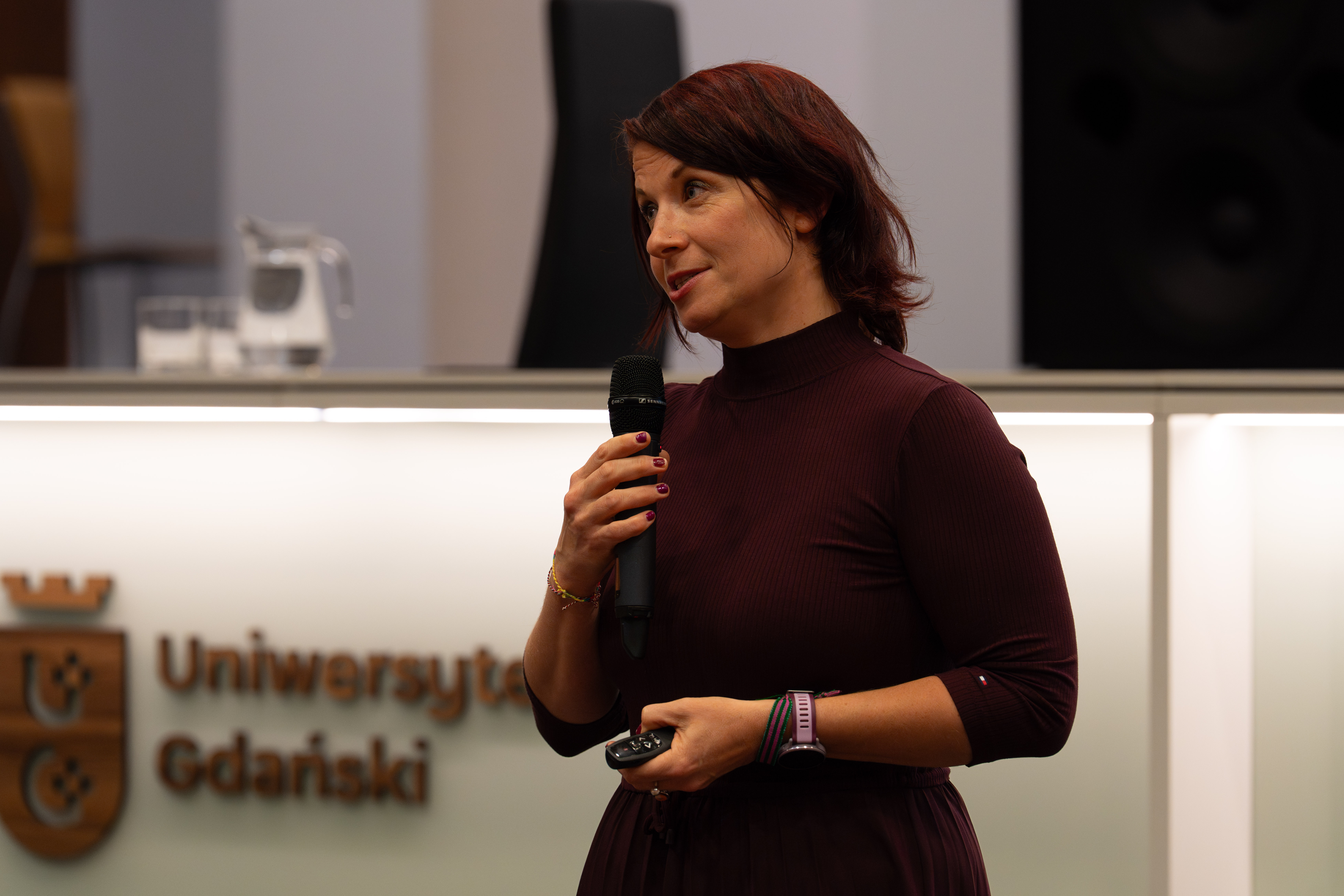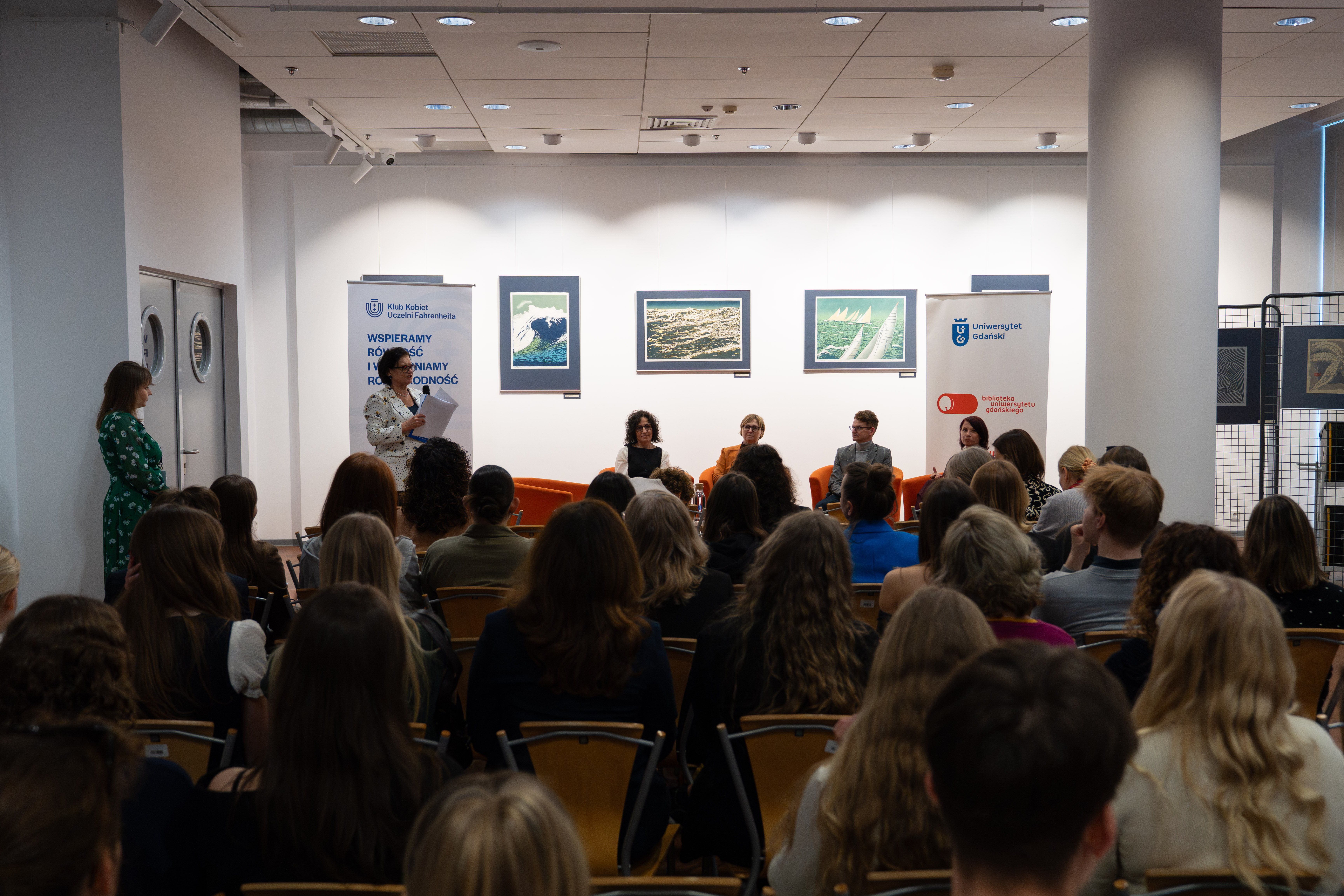
The 2nd Equality Day at the University of Gdańsk is behind us. This year, we celebrated it with a ceremony to present the awards granted in the 2nd edition of the Rector's Joanna Schopenhauer Award and in the 4th edition of the Rector's Special Award ‘I Include Gender in Research’ and a debate ‘Does science have a gender?’, which addressed the issue of programmes supporting equality and diversity at Fahrenheit Universities. The 2nd Equality Day, which took place on 2 March, was hosted by the UG Library.
Rector's Joanna Schopenhauer Award and ‘I Include Gender in Research’ awards
Equality Day at the University of Gdańsk in a special way emphasises the values which, as noted by the host of the ceremony, the Rector's Plenipotentiary for Monitoring and Evaluation of the Gender Equality Plan at the University of Gdańsk, Marta Dziedzic, form the foundation of an innovative and open academic community. These ideas - equality, innovation and openness - are perfectly reflected in the awards, which draw attention to the aspect of gender, often crucial from the perspective of obtaining reliable and complete scientific data.
Awareness that gender is an important factor in scientific research seems to be increasingly present, as evidenced by the growing popularity of the ‘I Include Gender in Research’ competition (as well as the support of the rector's office, which has taken over the financing of the award). Prof. dr hab. Ewa Łojkowska (who led the MINDtheGEPS project on behalf of the University of Gdańsk - Modifying Institutions by Developing The Gender Equality Plans, 2021-2025) on behalf of the University of Gdańsk), presenting the history and development of the award over successive editions, drew attention to the number of applications, which has been growing year on year: from 10 applications in the first edition of the competition to 26 applications in the fourth edition. Prof. Ewa Łojkowska also pointed to the significant predominance of women among the applicants for the award, which she considered an area for work in order to encourage more male researchers to participate in the future.
Why is it so important to include gender in research?
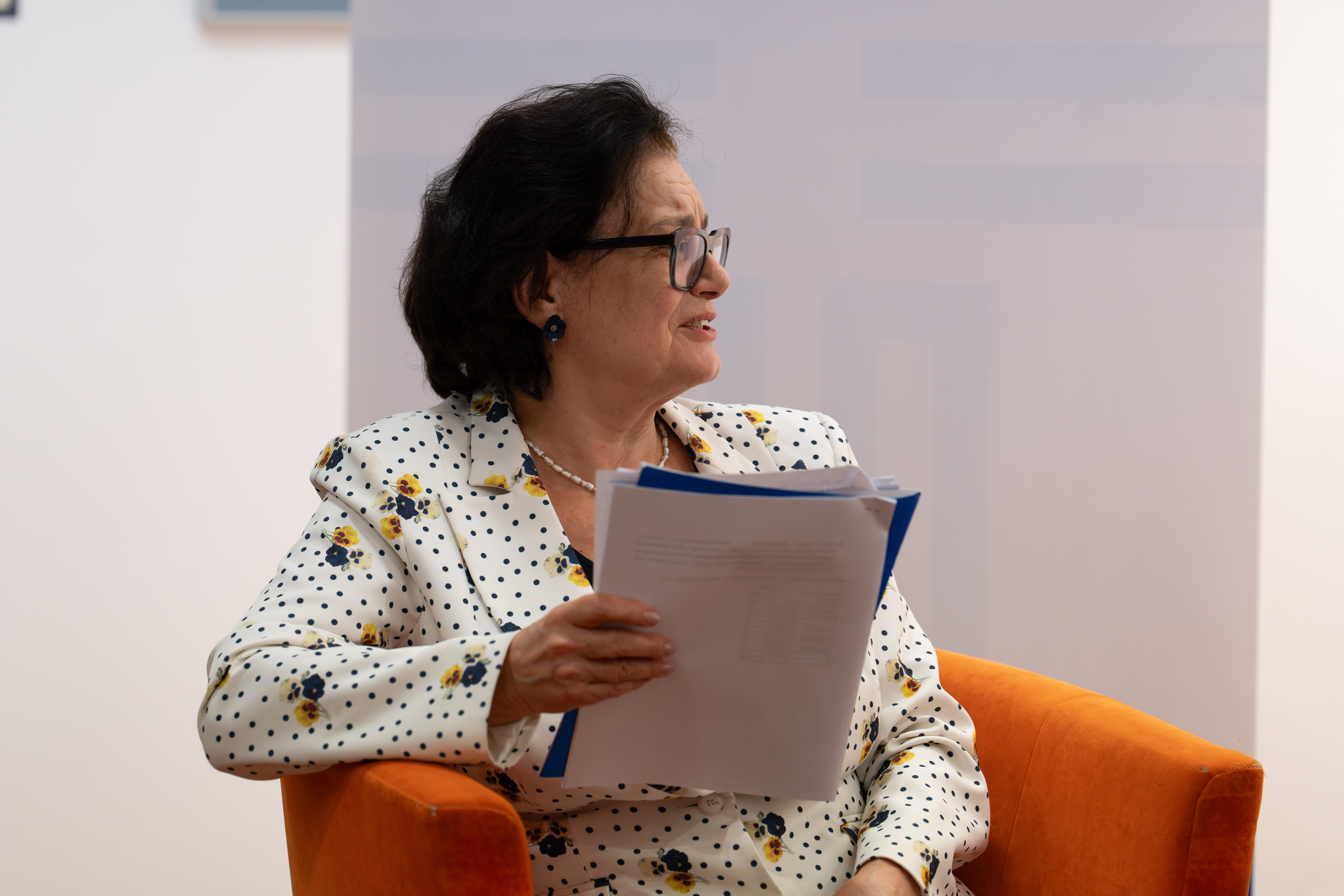
‘We established this award to improve the quality of research. We wanted it to be more comprehensive and innovative,’ emphasised prof. Ewa Łojkowska. ‘In awarding this prize, we drew attention to the need to take into account the gender of the research subject in scientific research. It is not about whether the research is conducted by a woman or a man, but whether, after taking gender into account, this research can contribute something new. There is a large programme that shows that research that takes into account the gender of the research subject is more innovative; it simply takes another aspect into account.’
As an example of how gender is important and still not sufficiently taken into account, prof. Ewa Łojkowska cited the leaflets that come with medicines. They take into account various parameters, such as age and weight, but do not take into account the gender of the patient. Meanwhile, some medicines may work differently on women and men, and there are also pharmaceuticals intended for only one gender.
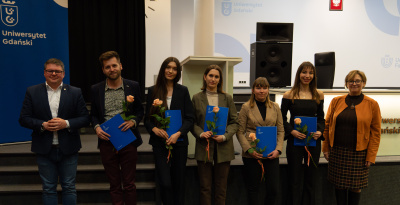
The Rector's Special Award ‘I Include Gender in Research’ is awarded for the highest-rated master's and doctoral theses and habilitation achievements that take into account the gender perspective in the field of research. In the 4th edition, the Committee, chaired by prof. dr hab. Grzegorz Węgrzyn, selected winners in 5 categories and awarded as many as five distinctions.
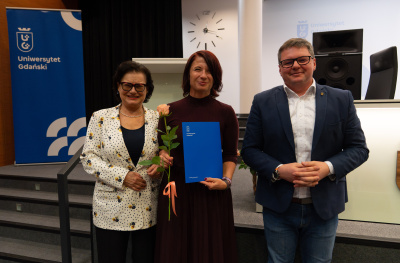
A separate section was devoted to the Rector's Joanna Schopenhauer Award, granted to female researchers employed at the University of Gdańsk who have obtained the title of professor in the last two years and conduct research that takes into account the gender perspective of the research subject. The competition committee was chaired by Prof. Ewa Łojkowska. This year, the award was granted for the second time (in the amount of PLN 15,000), and its winner was prof. dr hab. Natasza Kosakowska-Berezecka.
Prof. Ewa Łojkowska thanked all members of the competition committees for both awards for their work in evaluating the applications.
Dr hab. Joanna Kruczalak-Jankowska, prof. UG, a member of the ‘I Include Gender in Research’ award committee, emphasised the exceptionally high standard of the competition entries (as evidenced by the number of distinctions awarded). The award was often decided on the basis of publication criteria. The committee member also presented the winners and runners-up in the competition.
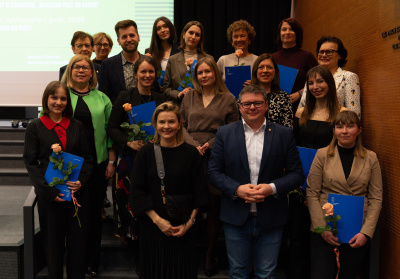
After a group photo, presentations prepared by the winners of both competitions followed. The first of these (enthusiastically received by the audience), entitled ‘In search of EQUAMAN - when, where and why men support gender equality’, was presented by prof. Natasza Kosakowska-Berezecka, winner of the Rector's Joanna Schopenhauer Award. Later, the stage was taken over by the winners of the ‘I Include Gender in Research’ competition who were present at the ceremony:
- Dr hab. Magdalena Żadkowska, prof. UG (Faculty of Social Sciences), awarded for her habilitation thesis ‘The everyday life of heterosexual couples, role reconstruction and practice analysis: in emigration, in the face of remote work performed from home and after the departure of adult children’
- Dr Ilona Bidzan-Bluma (Faculty of Social Sciences), awarded for her doctoral dissertation ‘Cognitive functioning of young athletes, taking into account indicators of bioelectrical brain activity’, prepared under the supervision of prof. Małgorzata Lipowska
- Dr Justyna Topa (Intercollegiate Faculty of Biotechnology UG and MUG), awarded for her doctoral dissertation entitled ‘Clinical and biological significance of circulating tumour cells with different epithelial-mesenchymal phenotypes in breast cancer patients’, prepared under the supervision of prof. Anna Żaczek
- Mgr Agata Grzybowska (Intercollegiate Faculty of Biotechnology UG and MUG), awarded for her master's thesis entitled ‘The role of FGF/FGFR signalling and the Hippo signalling pathway in resistance to anti-ER therapies in luminal breast cancer’, prepared under the supervision of dr Dominika Piasecka (award amount: PLN 2,400).
The award was also received by mgr Kacper Kłosowski from the Department of Cultural Studies at the Faculty of Languages at the University of Gdańsk, who was absent from the ceremony, for his master's thesis ‘In search of an alternative. Constructing masculinity in the space of independent video games in 2011-2023’, prepared under the supervision of dr hab. Grzegorz Piotrowski, prof. UG.
Debate: ‘Does science have a gender?’
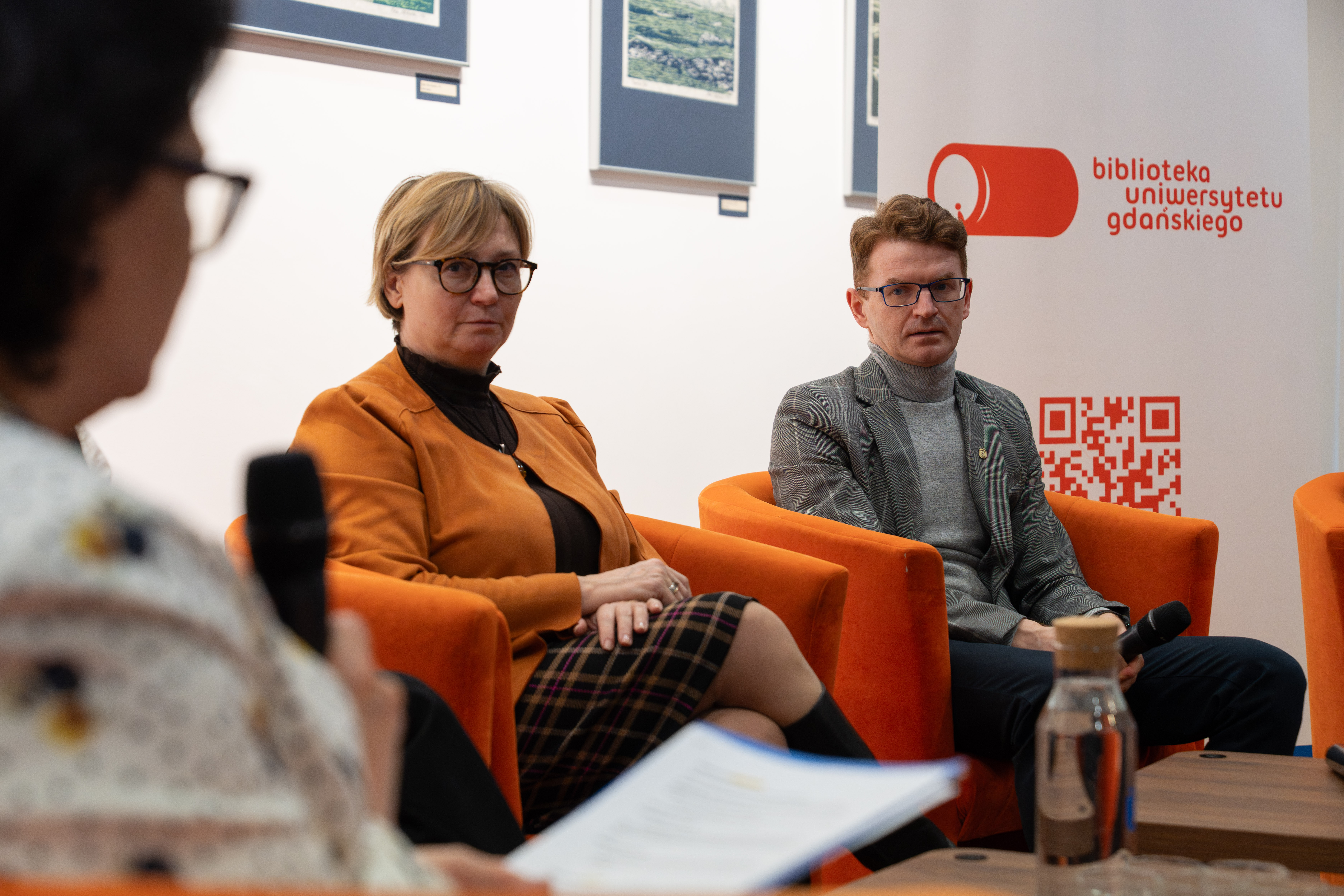
The topic of gender in the context of science and universities as institutions was continued in the debate ‘Does science have a gender?’. Four people holding various positions not only at the University of Gdańsk participated in the discussion:
- Prof. Natasza Kosakowska-Berezecka, psychologist at the Institute of Psychology of the Faculty of Social Sciences at the University of Gdańsk, a long-time researcher of issues related to gender equality on an international scale,
- Dr hab. Radosław Kossakowski, prof. UG, sociologist, Vice-Dean for Science at the Faculty of Social Sciences, University of Gdańsk,
- Dr hab. Joanna Kruczalak-Jankowska, prof. UG, Faculty of Law and Administration, University of Gdańsk, Spokesperson for Equal Treatment and Anti-Mobbing at the University of Gdańsk
- Dr hab. Joanna Żukowska, prof. GdańskTech, Faculty of Civil and Environmental Engineering, Spokesperson for Academic Rights and Values at GdańskTech
The debate was moderated by prof. Ewa Łojkowska, Chair of the Senate Committee on Social Responsibility.
During the debate, the following issues were raised:
- actions taken at universities (the University of Gdańsk and Gdańsk University of Technology) that can be considered milestones in achieving gender equality and inclusiveness;
- changes in the approach to European EDI (Equity, Diversity, Inclusiveness) policy at universities (UG, GdańskTech) in recent years - and an attempt to evaluate them;
- whether and to what extent UG researchers' awareness of the need to include gender in their research has changed - and what else can be done to make this awareness more widespread;
- whether recent socio-political changes in the US and growing populism in EU countries are affecting the implementation of EDI.
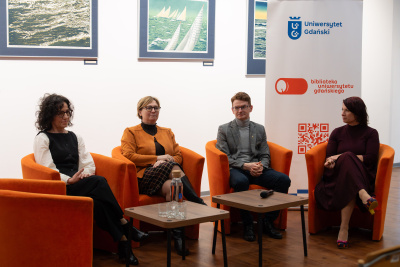
Both spokespersons identified 2016 as a key moment for the implementation of equality policy, when the European Union obliged universities to appoint equality officers. The discussion highlighted both the successes associated with the implementation of programmes promoting equality and inclusiveness, as well as the difficulties, often resulting from the attitudes of some members of the academic community or the specific nature of a given environment. ‘We are a technical university and I think we are afraid to admit that without people, technology means nothing,’ noted Prof. Joanna Żukowska. At the same time, she cited numerous examples of actions taken at Gdańsk University of Technology (e.g., the creation of the Office of the Ombudsman for Academic Rights and Values in 2022) and the people involved in them.
Prof. Joanna Kruczalak-Jankowska pointed out the contrast between the ‘philosophy’ of equality and the actual state of affairs, revealed by data from a study of the employment structure at the University of Gdańsk a few years earlier. ‘As a result of this study, I heard a phrase that has stayed with me to this day: no data, no problem. It was only after compiling a list of employees (by gender), showing the salaries for different positions and demonstrating the roles of different genders in the university's management bodies that we realised that equality is not quite as rosy as various legal acts declare.’ She considered the University of Gdańsk's participation in the MINDtheGEPs project under the Horizon Europe 2020 programme, which forced the implementation of equality plans, to be a milestone. ‘We are trying to turn “law in books” into “law in action”,’ she concluded.
Prof. Radosław Kossakowski shared his insights from the perspective of someone who focuses on social and cultural aspects rather than legal ones. ‘For me, as a sociologist, the social and cultural context is more important because it is the most difficult to change,’ he noted. He stated that he sees certain changes, for example in language or in the conversations of people who are trying to find their way around the guidelines related to the implementation of the equality plan, but these changes take time and should be considered in a broader social context.
Prof. Natasza Kosakowska-Berezecka drew attention to another aspect that is important from the point of view of implementing equality plans: money. ‘Equality measures stem from the heart. They are often implemented by the same people. However, if we really want something to change, organisational measures must follow, e.g. appointing people responsible for their implementation and financing such measures to appropriate positions,’ she said.
The discussion also touched upon topics such as the importance of university authorities' involvement in the process of change (which is significant in our universities) and the sense of security resulting from the promotion of diversity. The importance of men's involvement in equality processes was also discussed: Prof. Radosław Kossakowski pointed out that while there is a campaign encouraging women to study science, there is a lack of programmes promoting the participation of men in social sciences, and prof. Natasza Kosakowska emphasised that it is worth taking care of the education system and showing that equality is good for everyone, including men.
In her summary of the debate, prof. Ewa Łojkowska stated that although there is still much to be done in terms of equality, it is important to have and pursue dreams. ‘We must be attentive to other people,’ this thought concluded the 2nd Equality Day at the University of Gdańsk.
The organisation of the Second Equality Day at the University of Gdańsk was made possible thanks to the involvement of:
The Promotion Department of the UG Library: Patrycja Laskowska, Marietta Tiszbein and Monika Budzińska, the Rector's Representative for Monitoring and Evaluation of the Gender Equality Plan at the University of Gdańsk - Marta Dziedzic, and the Chair of the Senate Committee for Social Responsibility at the University of Gdańsk - prof. Ewa Łojkowska.