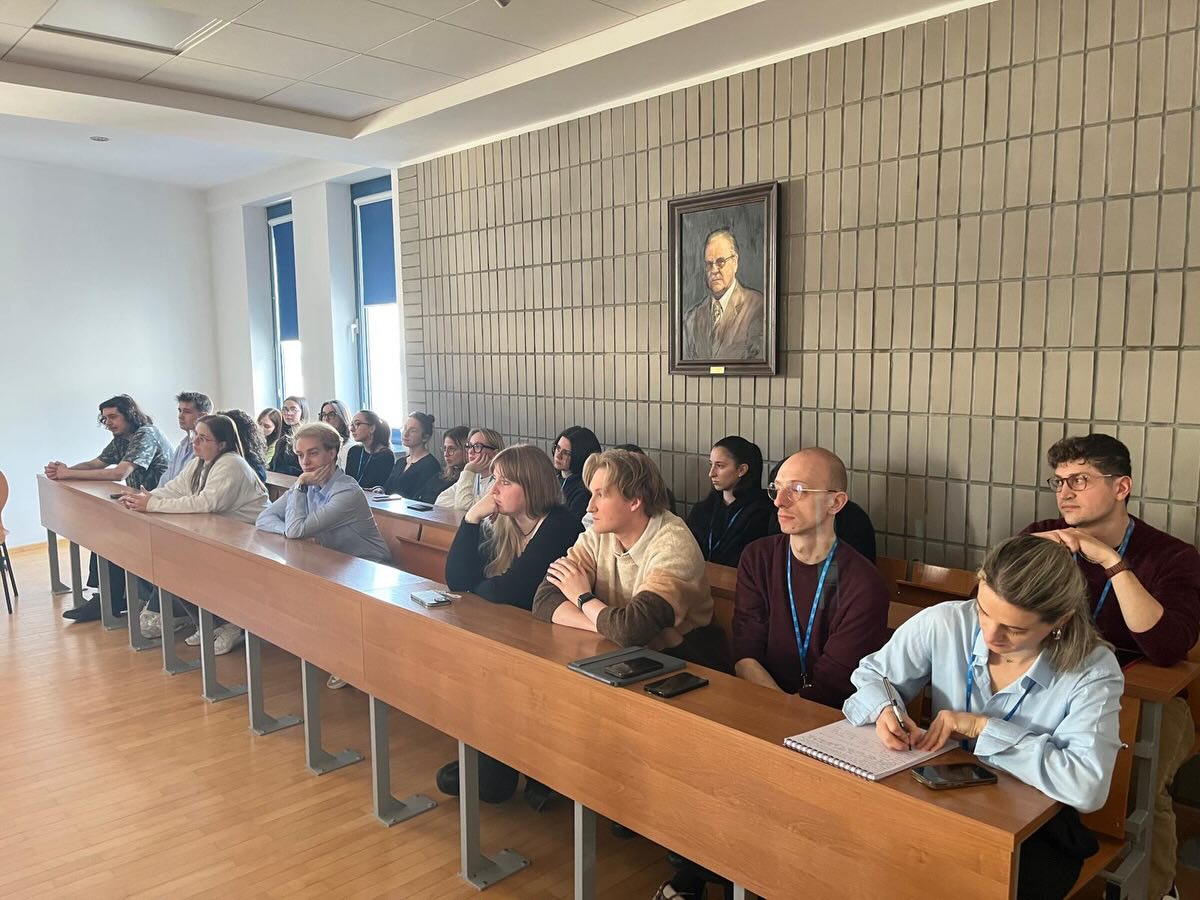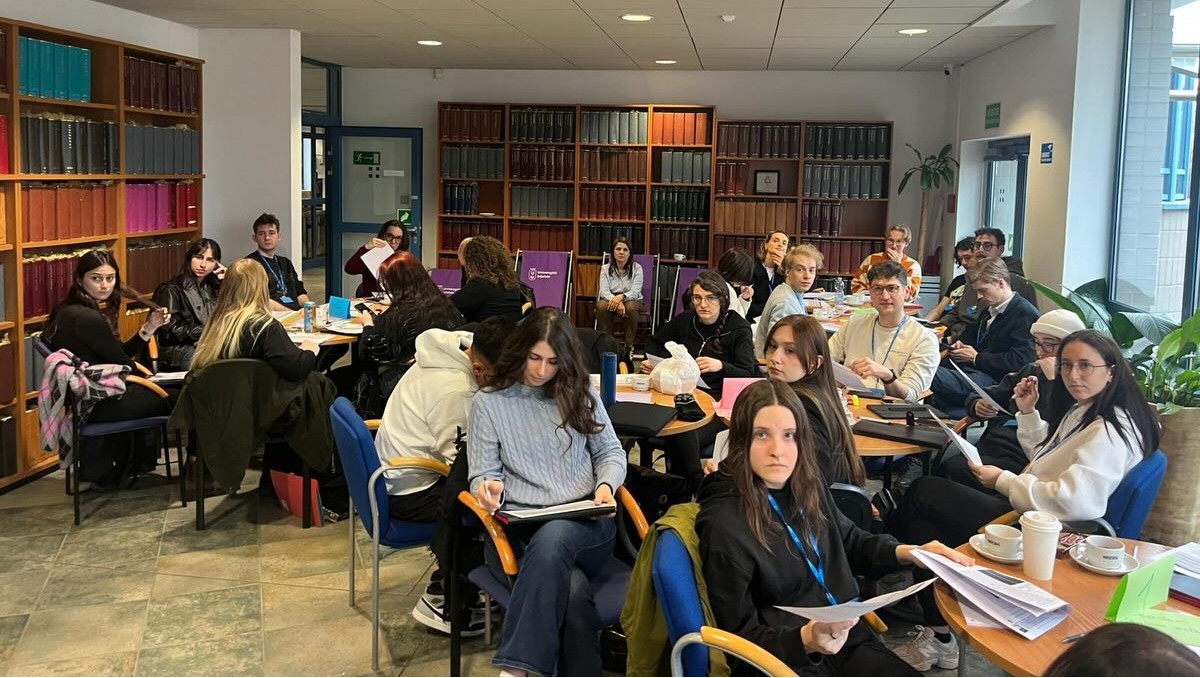
The team from the Department of Substantive Criminal Law and Criminology at the Faculty of Law and Administration was the first at the university to develop and implement a programme culminating in the award of micro-credentials. The innovative project ‘Erasmus BIP: Didactics for Forensic Excellence – International Seminar’ has opened a new chapter in the certification of our students’ competences.
The team, led by dr hab. inż. Aneta Lewkowicz, prof. UG, delivered the programme in the Blended Intensive Programme (BIP) format, integrating specialist online lectures with project partners from the Università Politecnica delle Marche and the European Forensic Institute with an intensive workshop component on our university’s premises.
‘The introduction of micro-credentials is not only a source of prestige for the Faculty, but above all a tangible benefit for students who complete the programme with concrete, internationally recognised confirmation of their high level of competence in forensic sciences’ says prof. Aneta Lewkowicz.
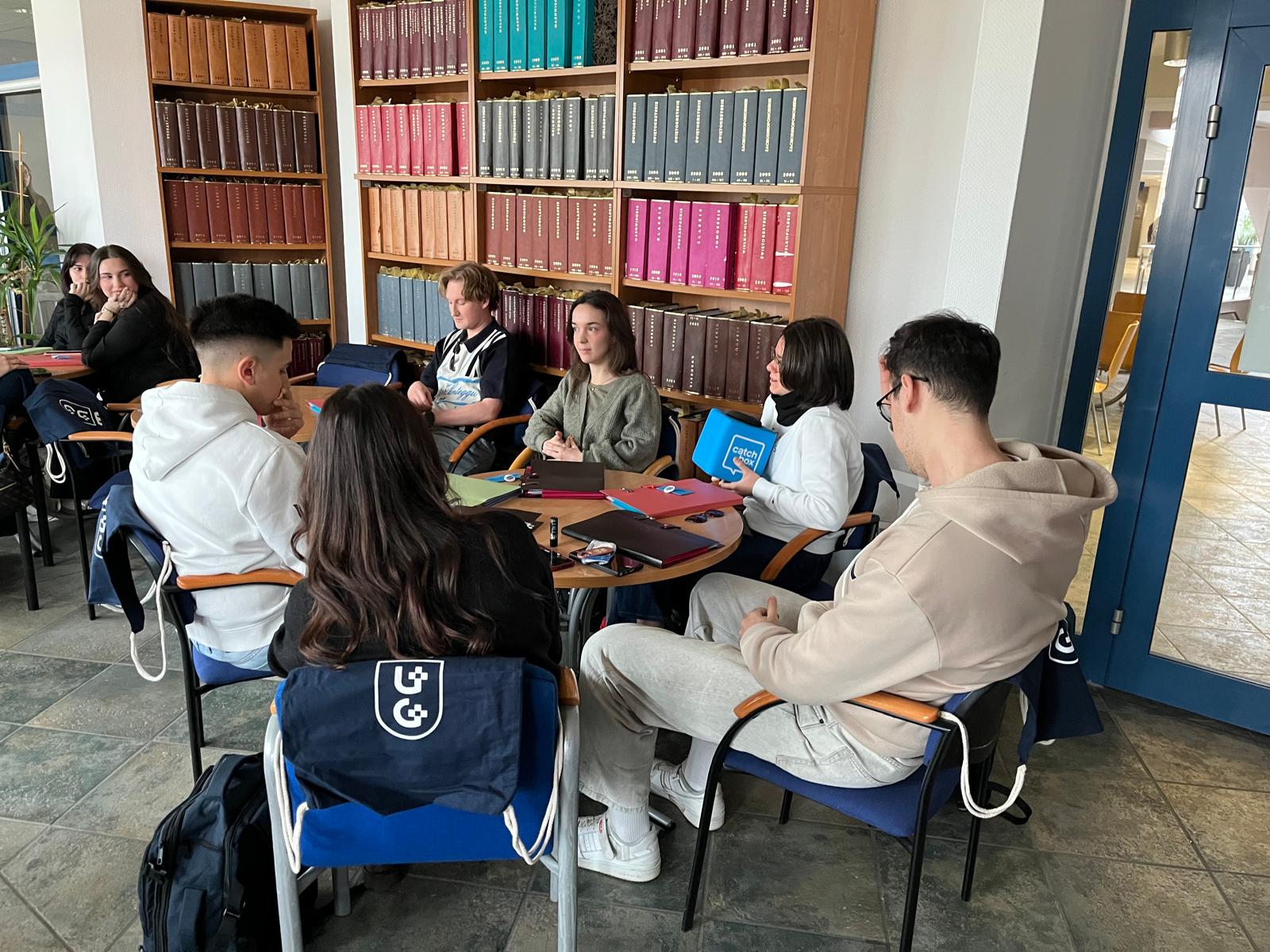
The aim of the course was to familiarise students with the workings of forensic laboratories and with the basic theories and methods used in the analysis of physical evidence. Between 28 January and 27 March this year, a total of 33 people from the Università Politecnica delle Marche (Italy), the European Forensic Institute (Malta) and the University of Gdańsk took part in the course.
‘The course covered the presentation of commonly used techniques for the detection, preservation and quantitative and qualitative analysis of forensic traces, both at the crime scene and in the laboratory. “The course developed the ability to interpret research results and draw conclusions regarding their usefulness in commissioning and evaluating forensic expert reports,’ explains Prof. Aneta Lewkowicz.
Another important element was the development of social skills related to teamwork and responsibility for assigned tasks, as well as the development of skills in applying innovative teaching methods in the field of forensic science.
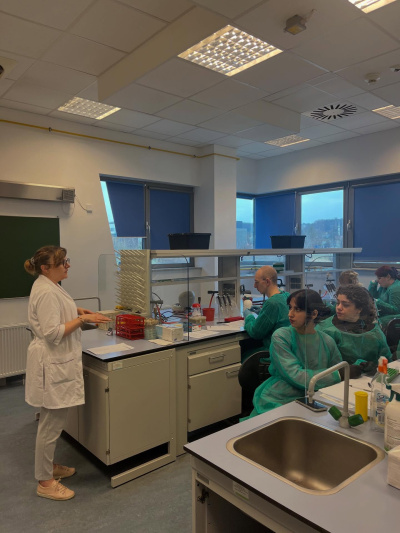
An interdisciplinary team of experts:
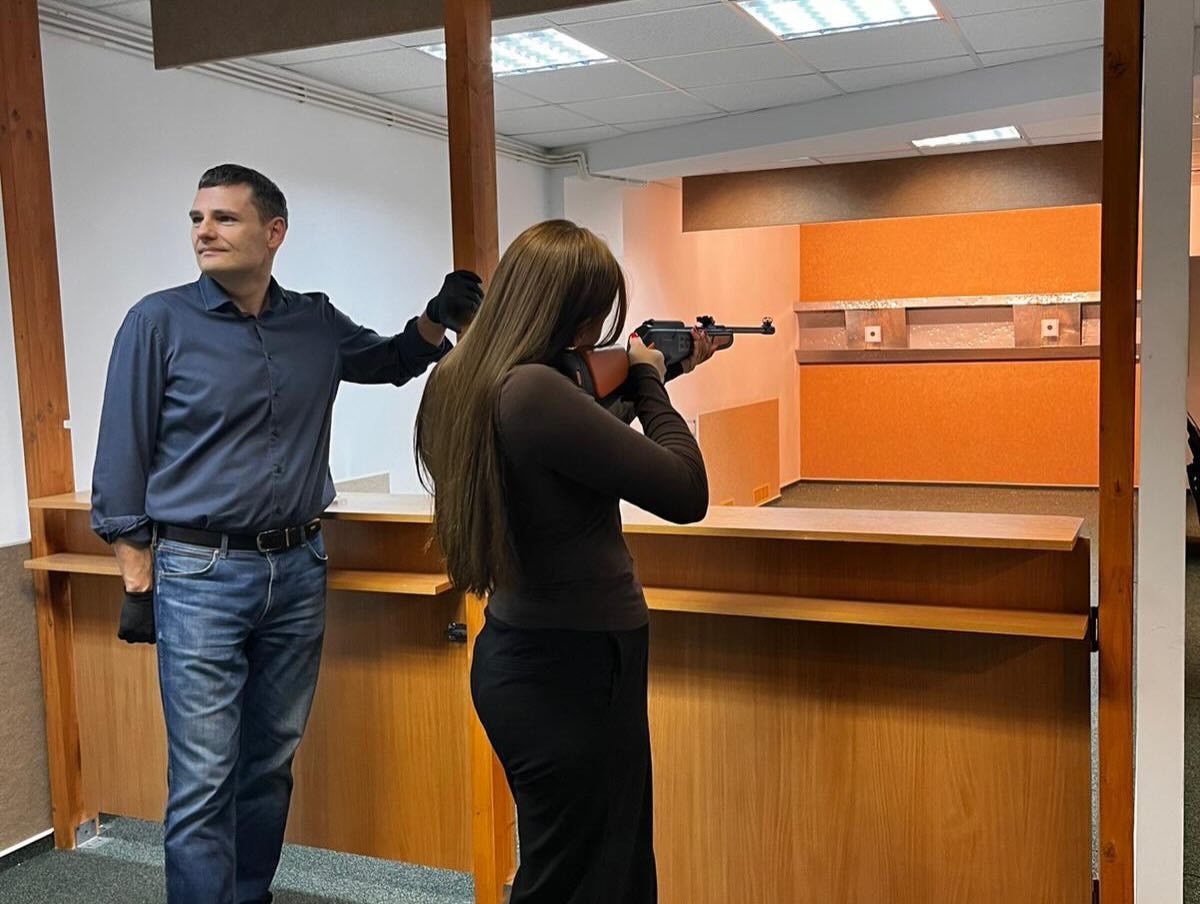
- Dr Adrian Wrocławski: Assistant Professor at the Forensic Research Unit, Faculty of Law and Administration, University of Gdańsk, and Director of the UG Museum of Forensic Science, Faculty of Law and Administration, University of Gdańsk. As an expert conducting research into serial killings, ballistics and gunshot wounds, he introduced students to the use of dangerous objects and the findings of his international research at the intersection of forensic medicine and criminalistics;
- Dr Joanna Koczur: Doctor of Law, Assistant Professor at the Department of Forensic Science, Faculty of Law and Administration, University of Silesia. A specialist whose interests centre on the psychology of testimony, the law of evidence, the logic of court argumentation, and forensic tactics;
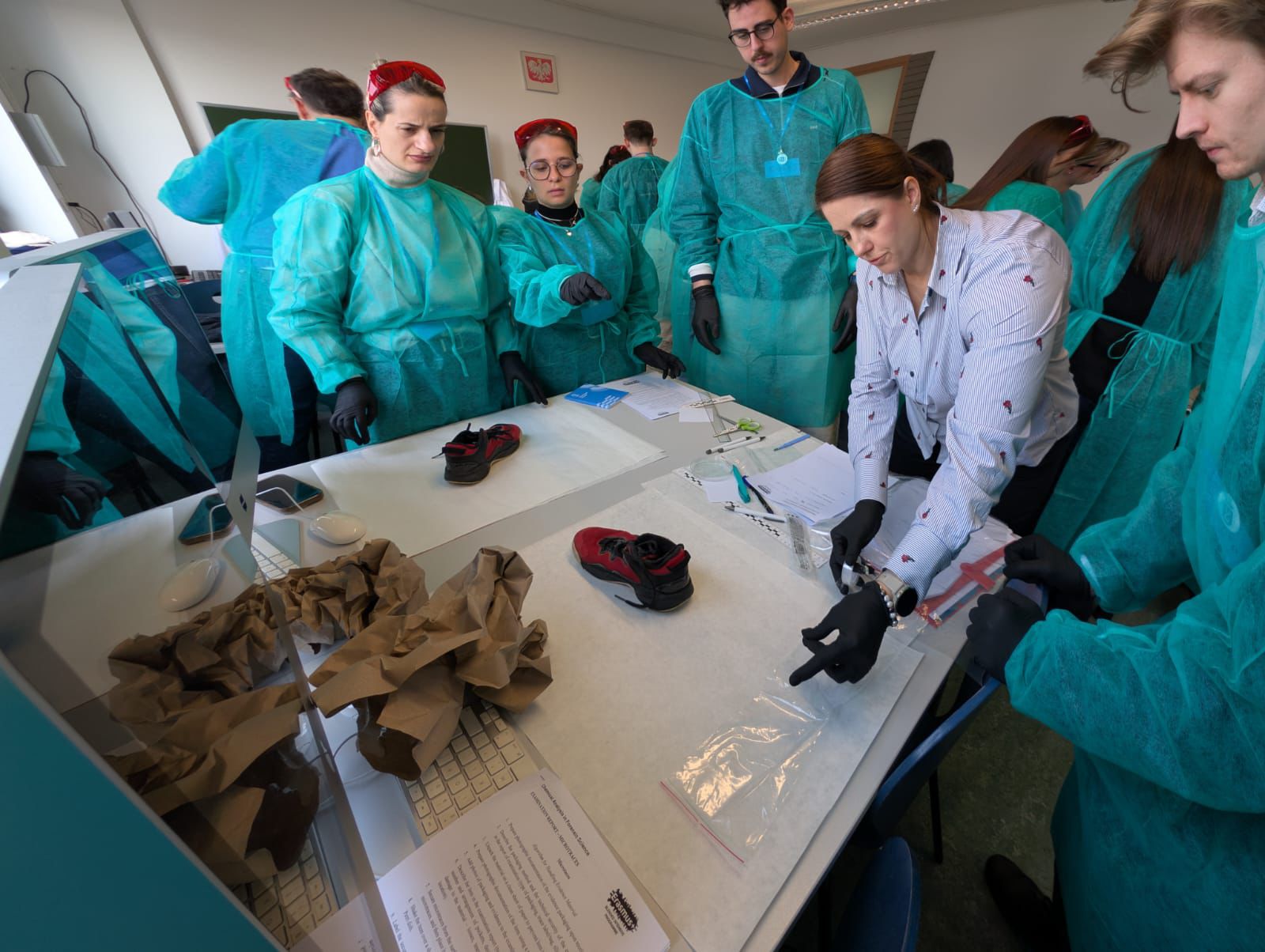
- Dr Daria Śmigiel-Kamińska: Doctor of Chemical Sciences and an expert in microtraces and fibre analysis at the Central Forensic Laboratory of the Police, who conducted specialist classes on procedures in microtrace analysis;
- Dr Marcelina Malinowska: the module on DNA analysis was delivered by Dr Malinowska, a molecular biologist from the Department of Medical Biology and Genetics at the Faculty of Biology, University of Gdańsk. These classes achieved the highest academic standard thanks to consultations with dr Magdalena Buś – an expert in forensic genetics, whose international experience enabled her to convey to students the latest global trends in genome research for the purposes of the justice system;
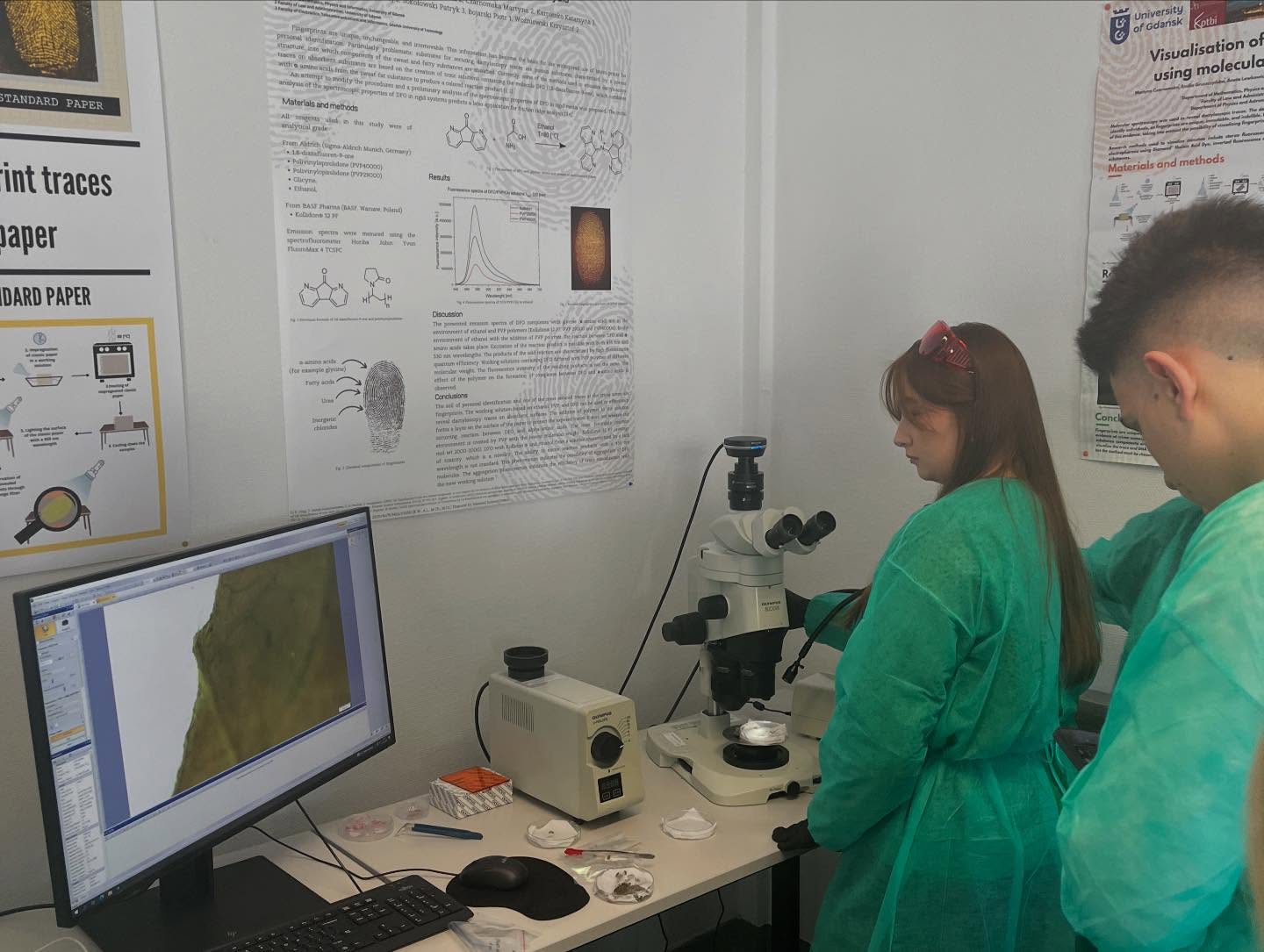
- Dr hab. Aneta Lewkowicz, prof. UG: as an expert in the application of physicochemical methods in forensic science and a certified Master of Didactics (Master of Didactics course, Ghent University), she led classes on teaching innovations and modern methods in forensic science. Drawing on her extensive research experience, she introduced students to a pioneering approach combining classical dactyloscopy with DNA analysis and advanced gunshot residue (GSR) analysis, highlighting the synergistic use of various investigative techniques in the analysis of forensic evidence;
- Dr Agnieszka Tuszkowska, mgr Martyna Czarnomska, and mgr Emilia Gruszczyńska: their support in carrying out project tasks was crucial to the programme’s success.
Doctoral students from the Forensic Research Unit were responsible for the logistical support of the event and for assisting the experts during the workshop sessions.
The project coordinator also highlights the significant administrative support provided by both the Faculty authorities (Vice-Dean of the Faculty of Law and Administration dr hab. Małgorzata Balwicka-Szczyrba, prof. UG) and the central administration (Vice-Rector dr Ewa Szymczak, prof. UG and Director of the Education Office: mgr Anna Smykowska).
Coverage of the programme on social media: https://www.facebook.com/profile.php?id=61578661147728